Kunstverket som vises på denne siden er beskyttet av opphavsretten, noe som betyr at vi ikke har juridisk tillatelse til å lage eller selge identiske reproduksjoner. Denne beskyttelsen håndheves i henhold til internasjonale avtaler som for eksempel Bernerkonvensjonen og av nasjonale lover, inkludert de som er fastsatt i Amerikansk lov om opphavsrett – Tittel 17.
Denne metoden er i fullt samsvar med opphavsrettslige regler, da den ikke innebærer kopiering eller duplisering av det beskyttede kunstverket. I stedet er det snakk om en kreativ nytolkning – et nytt maleri som er inspirert av originalen, men ikke identisk med den.
Giclée- eller lerretsprint av museumskvalitet med rask produksjon og fleksible valgmuligheter for etterbehandling. ( Kjøp håndmalt maleri Bytt til digitalt bilde)





























Velg mellom våre forhåndsdefinerte størrelser som bevarer kunstverkets opprinnelige proporsjoner.

Skriv inn ønsket bredde og høyde for å tilpasse trykket til din ramme eller vegg. Et trykk kan kun beskjæres, aldri skaleres opp utover motivets opprinnelige størrelse, noe som betyr at et format med andre proporsjoner vil føre til tap av deler av bildet. Vi sender deg en digital mockup for godkjenning før vi starter trykkeprosessen. Bildet som vises på denne siden viser ikke den faktiske beskjæringen — det er kun mockuppen som viser dette.
Verdensomspennende levering () på 2 uker i stedet for standard 4/5 uker. (9 November)
La belle captive
Størrelse på reproduksjon
René Magritte's La Belle Captive (1949) is not merely a depiction of a scene; it’s an invitation to question the very nature of observation and reality. This surrealist masterpiece, rendered with Magritte’s signature meticulous technique, presents a disquieting tableau – a man framed within a viewfinder, observing a tranquil landscape punctuated by a horse-drawn carriage and three indistinct figures. The painting immediately arrests the viewer's attention, drawing them into a world where appearances are deliberately deceptive, mirroring the anxieties of the post-war era and Magritte’s profound interest in challenging conventional perceptions.
Magritte's approach to painting was characterized by an almost obsessive attention to detail combined with a deliberate rejection of traditional representational techniques. La Belle Captive exemplifies this duality. The meticulous rendering of the horse-drawn carriage, the textures of the trees, and even the subtle reflections in the viewfinder demonstrate his technical prowess. However, it is precisely this realism that heightens the painting’s unsettling effect. He employed oil on canvas with a smooth, almost enamel-like finish, creating an illusion of depth and solidity that further emphasizes the artificiality of the scene. The use of muted colors – predominantly browns, greens, and blues – contributes to the overall atmosphere of quiet contemplation and subtle unease.
Painted in 1949, during a period of significant social and political upheaval following World War II, *La Belle Captive* resonates with the anxieties of its time. The viewfinder motif is particularly potent, representing the limitations of human perception and the constructed nature of reality. It echoes Magritte’s broader exploration of themes related to identity, memory, and the subconscious – ideas that were gaining traction within the Surrealist movement. The presence of the three indistinct figures adds another layer of mystery, perhaps symbolizing the unknowable aspects of human experience or the fragmented nature of collective memory. The painting can be interpreted as a commentary on the role of media in shaping our understanding of the world, and the potential for manipulation inherent in visual representation.
La Belle Captive possesses a profound emotional impact, prompting viewers to confront their own assumptions about what they see. It’s a painting that lingers in the mind long after initial observation, inviting repeated contemplation. Magritte's work continues to resonate with contemporary audiences due to its timeless exploration of fundamental questions about perception, reality, and the human condition. A hand-painted reproduction of this iconic artwork offers an unparalleled opportunity to experience the power and beauty of Magritte’s vision – a window into the unseen, forever challenging our understanding of the world around us.
Siden for Se i AR av "La belle captive" av René Magritte bruker utvidet virkelighet (AR) for å vise kunstverket i ditt eget rom på en kompatibel enhet.
I "La belle captive" blir en Statement kontrast parret med en Balanced Harmony harmoni.
Bildet av "La belle captive" av René Magritte kan lastes ned fra verkets Last ned digitalt bilde-side: nedlasting av et digitalt bilde i høy oppløsning.


1898 - 1967 , Belgia

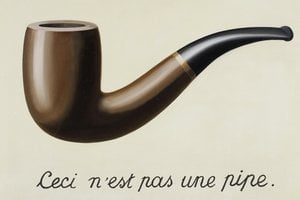
Delve into the profound mysteries of René Magritte’s Surrealism. Explore an expert analysis of 'The Treachery of Images,' decoding the philosophical paradoxes and visual subversions that redefined modern art history for collectors and connoisseurs alike.

Discover the excellence of WahooArt.com premium poster prints. Designed for elite collectors, our museum-quality Giclée reproductions offer unmatched durability and archival precision to elevate your luxury interiors with high-impact, sophisticated art decor.

Elevate your design projects with WahooArt's premium canvas prints and hand-painted reproductions. From Giclée excellence to bespoke oil commissions, we provide professional decorators with museum-quality, affordable art solutions delivered worldwide with a 100% satisfaction guarantee.
 Forhåndsvisning
 Send
Send Del
Del
 Vis detaljer
 Utskriftsvennlig guide

 Last ned bilde
 Liknende objekter
 Røntgenundersøkelse
 Lysbildefremvisning
 Spørsmål og svar
 Statistikk

 Vis hele teksten









 Glassalternativet er kun tilgjengelig i størrelser under 110 cm