Gratis kunstkonsultasjon

x
Bestill trykk Bestill trykkBestill maleri Bestill maleri SendSend
DetaljerDetaljer Legg til i favoritter Legg til i favoritter Last ned bildetLast ned bildet Liknende objekterLiknende objekter RøntgenRøntgen LysbildefremvisningLysbildefremvisning

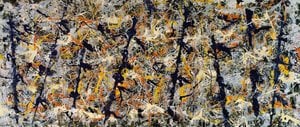
Grayed Rainbow

Jackson Pollock (1912–1956) var en amerikansk maler og pioner innen abstrakt ekspresjonisme kjent for sin «drip»-teknikk. Hans ikoniske malerier fanger energi og følelser gjennom spontane, dynamiske komposisjoner – en revolusjonerende innflytelse på moderne kunst.

Kjøp et høyoppløselig, forbedret digitalt bilde som er langt bedre enn forhåndsvisningen på nettet.

Hver fil er omhyggelig klargjort av våre egne spesialister ved hjelp av avanserte verktøy og profesjonell manuell retusjering. Vi sørger for at hvert bilde har eksepsjonell klarhet, presis fargegjengivelse og fine detaljer.

Den endelige filen leveres via e-post innen 72 timer, optimalisert for umiddelbar bruk i profesjonelle, redaksjonelle og trykte miljøer. Dette er den samme kvaliteten som benyttes av ledende designstudioer, utgivere og gallerier.

Digitalt bilde

Last ned en høyoppløselig fil for personlig bruk, utskrift og kreative prosjekter.

Totalbeløp

$9.99

Inkludert i alle bestillinger av digitale bilder

Ekspert digital levering, garantert

Når du velger WahooArt.com, får du ikke bare et bilde – du mottar et profesjonelt forbedret digitalt kunstverk, skapt med presisjon og med en garantert tilfredshetsgaranti. Her er alt som automatisk følger med din bestilling:

shipping_icon
Rask digital levering

Din høyoppløselige digitale bildefil sendes til din e-post innen 72 timer etter bestilling – klar til umiddelbar bruk.

canvas_icon
KI-forbedret digital fil

Ditt kunstverk blir profesjonelt optimalisert ved hjelp av avanserte AI-verktøy og manuell redigering, noe som sikrer maksimal detaljrikdom, klarhet og fargegjengivelse.

insurance_icon
Gratis livslang nyutlevering

Har du ved et uhell slettet eller mistet filen din? Ingen bekymring – vi sender den på nytt når som helst, helt gratis.

tax_icon
Ingen importavgifter – noen gang

Nyt ditt kunstverk umiddelbart uten toll, avgifter eller leveringskostnader – digitale nedlastinger er alltid avgiftsfrie.

color_icon
Garantert fargenøyaktighet

Vi sikrer at ditt digitale bilde gjenspeiler de originale fargene så nøyaktig som mulig ved hjelp av profesjonelle verktøy og fargehåndtering.

return_icon
60 dagers tilfredshetsgaranti

Hvis du ikke er fornøyd med ditt digitale bilde, vil vi revidere det eller refundere 100% innen 60 dager – uten spørsmål.

guarantee_icon
100% Penggaranti

Ikke fornøyd? Få full refusjon innen 60 dager etter at du har mottatt din digitale fil – uten spørsmål.

discount_icon
Rabatt ved storkjøp

Kjøp 3 bilder, spar 10% - Kjøp 5, spar 15% - Kjøp 10+, spar 20%. Ideelt for kreative prosjekter, gallerier og byråer.

Kort om verket

  • Medium: Oil painting
  • Title: Grayed Rainbow
  • Year: 1953
  • Movement: Abstract Expressionism
  • Artistic style: Action Painting
  • Subject or theme: Color exploration
  • Influences:
    • Regionalist painters
    • Surrealism

Kunstighetsquiz

Det er kun ett riktig svar på hvert spørsmål.

Spørsmål 1:
What artistic movement is Jackson Pollock most associated with?
Spørsmål 2:
In what year was ‘Grayed Rainbow’ painted?
Spørsmål 3:
What technique is Pollock primarily known for using in this painting?
Spørsmål 4:
Where can you find ‘Grayed Rainbow’ displayed?
Spørsmål 5:
What is a key characteristic of Abstract Expressionism that 'Grayed Rainbow' exemplifies?

Beskrivelse av samlerobjektet

Grayed Rainbow

Jackson Pollock was a revolutionary figure in the abstract expressionist movement, reshaping artistic perception and challenging conventional notions of painting. His groundbreaking drip technique—characterized by pouring and splattering paint onto canvas—established him as one of the most influential artists of the 20th century, cementing his place in art history.

“The Grayed Rainbow,” painted in 1953, exemplifies Pollock’s distinctive style. This monumental canvas transcends mere visual representation; it embodies a profound exploration of emotion and process, inviting viewers into a dialogue with the artist's subconscious.

The Artist and His Style

Born Paul Jackson Pollock on January 28, 1912, in Cody, Wyoming, Pollock’s formative years were marked by nomadic experiences shaped by his father’s profession as a land surveyor. This itinerant upbringing instilled within him an inherent restlessness—a desire to break free from established boundaries and forge new artistic paths.

He pursued formal training at NYU and the Art Students League, absorbing foundational techniques while simultaneously rejecting academic constraints. Early influences included regionalist painters like Thomas Hart Benton and David Alfaro Siqueiros, alongside the stylistic explorations of Surrealism and Native American art—elements that would coalesce into Pollock’s singular vision.

The Painting: The Grayed Rainbow

“The Grayed Rainbow” is a testament to Pollock's mastery of drip painting. Measuring 68 x 104 inches, the canvas pulsates with dynamic energy as countless lines and shapes cascade across its surface. Paint was applied using a variety of methods—from forceful pours to delicate splatters—creating a textured tapestry that defies categorization.

Dominantly gray, punctuated by flashes of black, white, and orange, the painting speaks to themes of chance, spontaneity, and the inherent beauty found within imperfection. Pollock’s deliberate disregard for traditional compositional rules underscores his commitment to conveying raw emotion and capturing the immediacy of artistic creation.

Significance in Abstract Expressionism

“The Grayed Rainbow” stands as a cornerstone of abstract expressionism—a movement born from the anxieties and aspirations of postwar America. Artists like Pollock sought to liberate painting from representational constraints, prioritizing gesture and emotion over precise depiction.

Pollock’s exploration of color—particularly the subtle interplay between gray and hidden hues—reflects a fascination with both the natural world and psychological depth. The painting encourages contemplation on the relationship between form and feeling, inviting viewers to interpret its visual language as they see fit.

Discover more about abstract expressionism and other art movements on https://WahooArt.com.

Learn more about Jackson Pollock and his work on https://WahooArt.com.

Lignende kunstverk


Om kunstneren

Early Life and the Seeds of Innovation

Paul Jackson Pollock, born in Cody, Wyoming, in 1912, was a restless spirit from the outset. His early life was marked by frequent relocation as his father, LeRoy Pollock, pursued work as a land surveyor across the vast landscapes of the American West. This itinerant existence instilled in young Pollock a deep connection to the natural world and an exposure to diverse cultures, particularly through encounters with Native American art during those surveying trips – impressions that would subtly permeate his artistic vision later in life. Though he never explicitly imitated Indigenous styles, the raw energy and spiritual resonance of these early experiences undoubtedly left their mark. He was the youngest of five children, born into a family struggling financially but filled with a strong work ethic and a love for art. His mother, Stella May McClure Pollock, recognized his artistic potential and fostered it through encouragement and support. Pollock’s formal artistic training began at the Manual Arts High School in Los Angeles, followed by studies at the Art Students League of New York under the tutelage of Thomas Hart Benton. Benton, a prominent figure in the Regionalist movement, emphasized rhythmic composition and narrative themes rooted in American life. While Pollock initially absorbed these lessons, his inherent inclination leaned toward more abstract explorations. He was also profoundly impacted by Mexican muralists like José Clemente Orozco, whose powerful depictions of social struggle resonated deeply with him. These early influences—the rugged beauty of the West, the traditions of Native American art, and the dramatic narratives of Benton and the murals of Mexico – laid a foundation, but it was the burgeoning world of Surrealism that truly unlocked Pollock’s artistic potential.

The Birth of Action Painting and a Revolutionary Technique

The 1930s saw Pollock experimenting with various techniques, seeking alternatives to traditional brushwork. He began pouring paint, exploring its fluidity and unpredictable nature. However, it was around 1947 that his artistic trajectory underwent a radical transformation. Abandoning the easel altogether, Pollock laid canvases directly on the floor, initiating what would become known as his “drip technique.” He then proceeded to drip, splash, and fling paint onto the canvas from above, orchestrating a dynamic dance between artist, medium, and surface. This wasn’t merely about applying paint; it was about embodying the act of creation itself. Pollock's canvases became arenas for physical expression, capturing the immediacy of his gestures and emotions. The resulting paintings are characterized by their “all-over” composition – a lack of central focus that invites the viewer to explore the entire surface as a unified field of energy. Intricate networks of lines and colors intertwine, creating a visual complexity that is both captivating and challenging. He employed unconventional tools—sticks, knives, even syringes—to manipulate the paint in unpredictable ways, further emphasizing the spontaneous nature of his process. The technique was revolutionary, rejecting traditional notions of brushstrokes and composition.
  • He used a variety of materials: oil paints, house paints, inks, and even tar.
  • His movements were often described as dance-like or ecstatic.

Iconic Works and Lasting Legacy

Pollock’s most celebrated works—such as Number 1, 1950 (Lavender Mist), One: Number 31, 1950, Blue Poles: Number 11, 1952, and Convergence—are testaments to his revolutionary technique. These paintings are not simply images; they are records of a performance, imbued with the artist’s physical presence and emotional intensity. The dynamic energy that emanates from these canvases is palpable, drawing viewers into a world of pure abstraction. Critics initially struggled to understand or appreciate this new approach, but over time, Pollock's work gained recognition as a groundbreaking contribution to modern art. His style transcends mere aesthetics; it’s an exploration of process over product. Pollock sought to capture the immediacy of his actions and emotions on canvas, rejecting traditional notions of composition and representation. He delved into Jungian psychology, exploring archetypes and the subconscious in his art, seeking to tap into universal symbols and primal energies. The paintings are often interpreted as reflections of the artist’s inner turmoil and spiritual quest.

Influence and Historical Significance

Pollock's impact on the history of art is immeasurable. He fundamentally altered the way artists approached painting, breaking free from easel-based methods and embracing a more performative approach. His work helped solidify New York City's position as a global center for modern art, shifting the focus away from European dominance. He was a key figure in the rise of Abstract Expressionism, alongside artists like Mark Rothko and Willem de Kooning. His influence can be seen in the work of countless artists who followed, including those associated with Color Field painting and later forms of abstract expressionism. Despite facing initial criticism and skepticism, Pollock’s legacy has solidified over time. He is now considered one of the most important and influential artists of the 20th century, a visionary who dared to challenge conventions and redefine the boundaries of artistic expression. His innovative techniques and expressive style continue to inspire and provoke, ensuring his enduring presence in the art world for generations to come.

Further Exploration

Key Resources:
  • Jackson Pollock - Wikipedia:
  • Smithsonian American Art Museum:
  • National Gallery of Art:
Jackson Pollock

Jackson Pollock

1912 - 1956 , USA

Kort om kunstneren

  • Artistic Movement Or Style: Abstrakt ekspresjonisme
  • Artists Or Movements Influenced By This Artist:
    • Color Field
    • Abstrakt ekspresjonisme
  • Artists Who Influenced This Artist:
    • Thomas Hart Benton
    • Diego Rivera
  • Date Of Birth: 28. januar 1912
  • Date Of Death: 11. august 1956
  • Full Name: Paul Jackson Pollock
  • Nationality: Amerikansk
  • Notable Artworks:
    • Nummer 1, 1949
    • Høstrytme, nr. 30
    • Konvergens
  • Place Of Birth: Cody, Wyoming