

Giclée- eller lerretsprint av museumskvalitet med rask produksjon og fleksible valgmuligheter for etterbehandling. ( Kjøp håndmalt maleri Bytt til digitalt bilde)





























Velg mellom våre forhåndsdefinerte størrelser som bevarer kunstverkets opprinnelige proporsjoner.

Skriv inn ønsket bredde og høyde for å tilpasse trykket til din ramme eller vegg. Et trykk kan kun beskjæres, aldri skaleres opp utover motivets opprinnelige størrelse, noe som betyr at et format med andre proporsjoner vil føre til tap av deler av bildet. Vi sender deg en digital mockup for godkjenning før vi starter trykkeprosessen. Bildet som vises på denne siden viser ikke den faktiske beskjæringen — det er kun mockuppen som viser dette.
Verdensomspennende levering () på 2 uker i stedet for standard 4/5 uker. (14 November)
LA FONTAINE
Størrelse på reproduksjon
The scene unfolds within LA FONTAINE, a work painted by Hubert Robert in 1784. This piece emerges from a specific creative sequence, forming part of a series of paintings centered on the theme of water. The artist captures a moment where the elements of nature and the remnants of human construction meet under a soft, diffused light.
The origins of this work trace back to the patronage of David Etienne Rouillé de l'Etang, who served as the Treasurer General of the Police. He commissioned this vision to decorate the private residence of his estate, the Hôtel de la place Louis XV in Paris. Through his direction, the artist translates the quiet movement of water and the stillness of stone into a visual narrative that feels both expansive and intimate.
A serene pastoral vista unfolds before the eye, dominated by the crumbling ruins of an ancient temple or palazzo. These weathered stone structures lean into the landscape, their decaying forms asserting a monumental scale against the natural world. A solitary figure sits quietly beside a deer, a moment of stillness captured amidst the slow disintegration of the architecture. This central grouping anchors the midground, creating a focal point where humanity and nature meet in quiet companionship.
The composition is carefully structured vertically, drawing the gaze upward through the layers of the landscape. Linear perspective directs the eye away from the immediate ruins, guiding it toward the distant mountains that loom beneath a muted sky. An atmospheric haze settles over these far-off peaks, softening their edges and enhancing the sense of depth. This subtle blurring of the horizon contributes to a melancholic mood, as if the very air is heavy with the weight of passing time.
Oil paints meet canvas in this quiet scene, where the medium allows for a profound sense of atmosphere. The artist works through a meticulous process of layering and blending, building up the surface to achieve a soft, diffused light that seems to hang in the air. This technique creates subtle gradations in tone, allowing the sky to transition seamlessly into the hazy distance and the stone of the ruins to melt into the surrounding greenery. There is a palpable sense of depth achieved through these tonal shifts, drawing the eye toward the mountains that loom in the pale background.
The execution relies on a delicate balance between the seen and the imagined. While the architectural forms of the fountain and the crumbling structures possess a grounded, physical presence, the brushwork avoids harshness. Instead, the colors blend into one another, minimizing visible strokes to favor a smooth, polished finish. This approach allows the textures of the weathered stone and the organic shapes of the foliage to coexist within a unified, atmospheric space. The light does not strike the scene with sharp intensity but rather settles softly over the landscape, as if filtered through a light overcast sky.
The life of this painting begins within the private walls of an hôtel on the place Louis XV in Paris, where it was commissioned by David Etienne Rouillé de l'Etang, the Treasurer General of the Police. It remains part of a series of works centered on the theme of water, intended to decorate the residence of its original patron. From there, the work moves through the hands of a single family across generations. It passes from Rouillé de l'Etang to his niece, the Marquise de Pastoret, and then to her son, Amédée de Pastoret. Eventually, the inheritance reaches his daughter, the Marquise du Plessis-Bellière.
The quiet continuity of family ownership ends following the death of the Marquise du Plessis-Bellière. The painting enters the public sphere during a sale at the Hôtel Drouot in Paris on May 10-11, 1897, appearing as lot number 79. It travels through various collections until 1946, when it arrives at the Musée du Louvre through a manual donation from Victor Lyon. This gift ensures the work remains a permanent part of the museum's collection. In 1971, the painting undergoes restoration at the hands of Lucien Aubert to preserve its appearance.
"LA FONTAINE" av Hubert Robert viser en Statement kontrast mellom de lyse og mørke partiene.
Fargene i "LA FONTAINE" av Hubert Robert har en Balanced intensitet.
Hubert Robert brukte Oil On Canvas-teknikken i "LA FONTAINE". Teknikken definerer det materielle uttrykket til det originale verket.

Da Hubert Robert ble født i Paris i 1733, trådte han inn i en verden der familiens sosiale status var tett knyttet til tjeneste for andre. Hans far, Nicolas Robert, innehadde en stilling i husholdningen til en fremtredende skikkelse – en forbindelse som etter hvert skulle legge til rette for den unge mannens ferd gjennom de øvre sjikt av det franske samfunnet. Denne tidlige stabiliteten la grunnlaget for en formell utdannelse, som han fullførte i de strukturerte omgivelsene ved Collège de Navarre. Innen 1751 hadde han fullført studiene under jesuittene, noe som ga ham en disiplinert intellektuell bakgrunn før han rettet blikket mot de visuelle kunstartene.
Hans opprinnelige vei var ikke ment å føre ham til lerretet. Han trådte inn i atelieret til skulptøren Michel-Ange Slodtz, hvor opplæringen hans var fokusert på de strenge prinsippene for komposisjon og perspektiv. Selv om skulpturens taktile natur var hans utgangspunkt, besatt Slodtz et skarpt blikk for guttens spesielle anlegg. Ved å gjenkjenne et annet potensial, oppmuntret mentoren ham til å forlate meiselen til fordel for penselen. Dette skiftet, fra skulpturens tredimensjonale tyngde til maleriets atmosfæriske muligheter, skulle komme til å definere hele hans livsløp.
I 1754 forlot Robert Frankrike til fordel for Roma, som en del av følget til Étienne-François de Choiseul. Denne reisen var langt mer enn bare et skifte av kulisser; det var en tiårslang fordypning i antikkens hjerte. Gjennom sine elleve år i Italia bodde han ved Académie de France, en periode som lot ham absorbere byens arkitektoniske storhet. Han observerte ikke disse monumentene bare på avstand; han levde blant dem, og utviklet en dyp forbindelse til fortidens fysiske levninger.
Hans kunstneriske utvikling ble ytterligere formet av tiden i atelieret til Giovanni Paolo Panini. Gjennom dette vennskapet begynte Hubert Robert å foredle sin evne til å tolke den klassiske verden. Han beveget seg forbi den enkle dokumentasjonen av eksisterende strukturer, og lærte i stedet å manipulere lys og skygge for å fremkalle en følelse av historie. Hans tilstedeværelse i byen var så dyptgående at han i 1767 angivelig risset navnet sitt inn i veggene på Colosseum – en liten, menneskelig handling av forgjengelighet stilt opp mot selve ruinene han viet sitt liv til å studere.
Da Hubert Robert vendte tilbake til Paris i 1765, fant han en by som tørstet etter de unike perspektivene han hadde samlet gjennom sine år i Italia. Hans vei mot toppen av det franske kunstetablissementet gikk raskt. I 1766 ble han tatt imot av Académie royale de peinture et de sculpture, hvor han presenterte en romersk capriccio som markerte hans store gjennombrudd. Denne formelle anerkjennelsen åpnet dørene til de høyeste sirkler i det franske samfunnet, der hans evne til å forene arkitektonisk presisjon med fantasifulle landskap møtte en voksende offentlig appetitt for det pittoreske.
Hans profesjonelle liv ble i økende grad sammenvevd med den franske kronen. Han sikret seg prestisjetunge embeter som reflekterte statens tillit til hans tekniske ferdigheter og estetiske dømmekraft. Han tjenestegjorde som designer for kongens hager, og senere innehadde han stillingen som kurator for kongens malerier. Disse rollene ga ham muligheten til å påvirke monarkiets visuelle landskap, i et spenn mellom skapelsen av nye design og forvaltningen av eksisterende samlinger. Hans innflytelse strakte seg helt inn i selve institusjonene som skulle definere fransk kunst i det påfølgende århundre.
Etter hvert som det politiske landskapet endret seg, økte også tyngden og kompleksiteten i hans ansvarsområder. Han ble utnevnt til museumskurator og rådgiver for akademiet, en posisjon som plasserte ham i selve hjertet av nasjonens kulturelle administrasjon. Hans liv var ikke lenger bare en malers liv, men en vokter av historien. Selv mens det gamle regimets strukturer begynte å slå sprekker, forble hans tilstedeværelse i salene i Louvre en konstant faktor, noe som markerte ham som en sentral skikkelse i overgangen for fransk institusjonell kunst.
Hubert Robert besatt en hånd så allsidig som de landskapene han søkte å fange. Han beveget seg med en naturlig letthet mellom tegnerens presisjon og malerens flytende berøring, og han tok i bruk et bredt spekter av medier. Hans tekniske repertoar omfattet alt fra etsing, penn og blekk, til svart og rød kritt, samt akvarell, ved siden av den tradisjonelle bruken av olje på lerret. Han benyttet ofte alla prima-teknikken, hvor malingen ble påført på en direkte og spontan måte som tilførte komposisjonene en følelse av umiddelbarhet. Denne tekniske bredden gjorde det mulig for ham å mestre både de komplekse arkitektoniske formene og den myke overgangen i en skiftende himmel med like stor dyktighet.
Hans metode hvilte på en delikat balanse mellom det observerte og det forestilte. Selv om verkene hans var forankret i møysommelige detaljer og en streng forståelse av perspektiv, var de aldri bare topografiske registreringer. I stedet brukte han atmosfærisk perspektiv for å myke opp fjerne horisonter, noe som skapte en merkbar følelse av dybde og lys. Han besatt en helt særegen mestring av illusjon, der han brukte lys og skygge for å manipulere betrakterens oppfatning av rommet. Ved å forene nøyaktig observasjon med en levende fantasi, konstruerte han scener der den fysiske virkeligheten i en steinbue eller en forfallen søyle ble forsterket av en nøye orkestrert, nesten teatralsk, atmosfære.
Kallenavnet "Robert des Ruines" var mer enn bare et tilnavn; det var en anerkjennelse av en mann som fant sitt dypeste uttrykk i fortidens smuldrende rester. Han beveget seg gjennom det kunstneriske landskapet i det sene 1700-tallet som en maler i romantikkens tegn, en posisjon som tillot ham å se forbi den rent dokumentariske gjengivelsen av arkitektur. I stedet for bare å registrere tilstanden til en bygning, søkte han poesien som lå i selve oppløsningen. Hans verker presenterte ofte halv-fiktive, pittoreske fremstillinger av ruiner, hvor han hentet motiver fra både det antikke landskapet i Italia og det skiftende urbane vevet i Frankrike.
Sentralt i denne visjonen sto hans mesterskap innen capriccio. I disse komposisjonene satte han bevisst sammen ulike elementer – antikke monumenter, fantastiske landskap og idealiserte figurer – for å skape scener som eksisterte i spenningsfeltet mellom virkelighet og fantasi. Han malte ikke bare det som var til stede; han konstruerte atmosfærer av melankoli og undring. Ved å blande faktiske arkitektoniske detaljer med forestilte omgivelser, skapte han en følelse av historie som føltes både håndgripelig og drømmeaktig. Denne tilnærmingen gjorde det mulig for ham å utforske tidens gang gjennom linsen av stein og skygge.
Den franske revolusjonens skiftende tidevann brakte plutselig og personlig fare over Robert. Under terrorveldet opplevde han en periode med kortvarig fengsling, en erfaring som satte sine spor i hans kunstneriske virke gjennom en serie tegninger som dokumenterte hans fangenskap. Til tross for epokens volatilitet, forble hans profesjonelle status betydelig. Han ble utnevnt til kurator for det nyopprettede Muséum Central des Arts, institusjonen som etter hvert skulle bli til Musée du Louvre, hvor han arbeidet med å organisere og katalogisere nasjonens voksende samling.
Hans tilknytning til Louvre var dyp og varig. Fra 1778 og frem til 1802 gjorde han sitt hjem innenfor disse murene, og levde midt i de samme salene som han selv hadde vært med på å dekorere og bevare. Denne lange oppholdstiden plasserte ham i hjertet av et Frankrike i endring, som et vitne til overgangen fra det gamle monarkiet til Napoleons æra. Han forble en flittig skaper helt til helsen til slutt sviktet ham. Hubert Robert døde i Paris av et slag den 15. april 1808.
Det enorme omfanget av Roberts produksjon gjenspeiler et liv tilbrakt i en konstant dialog med fortiden. Hans flittige hånd frembrakte omtrent 1 000 malerier og 10 000 tegninger, et volum som gjorde det mulig for ham å utforske nyansene i lys og arkitektonisk forfall gjennom utallige iterasjoner. Hans tidlige suksess var forankret i The Port of Rome, en romersk capriccio som etablerte hans rykte innen det franske kunstetablissementet. Dette verket demonstrerte hans evne til å bevege seg forbi ren topografisk dokumentasjon, og i stedet konstruere en visjon av antikken som resonnerte med sin tids estetiske sans.
Etter hvert som karrieren hans skred frem, skiftet motivene fra det rent klassiske til en integrering av historiske strukturer i mer varierte landskap. Rundt 1773 produserte han The Portico of a Country Mansion, et verk som viste hans mesterskap innen perspektiv og atmosfære. Senere ble hans interesse for storheten i antikkens ingeniørkunst fanget i The Pont du Gard, malt omkring 1787. Disse verkene illustrerer en teknisk mestring av både det monumentale og det intime, ofte ved bruk av tynne lasurer for å bygge opp en følelse av tonal dybde og luminans.
Hans senere år ble preget av dokumentasjonen av selve institusjonene han selv hadde vært med på å forvalte. Rundt 1795 produserte han The Grande Galerie, et verk som fanget et spesifikt og transformativt øyeblikk i Paris' historie. I denne perioden av livet navigerte han i spenningsfeltet mellom bevaringen av kulturelle minner og realitetene i en nasjon i endring. Hans evne til å gjengi disse rommene, enten det var gjennom olje på lerret eller gjennom de presise linjene i penn og blekk, sikret hans plass i den franske landskapsmaleriets historie.
Bevaringen av Hubert Roberts fruktbare produksjon er spredt over flere store internasjonale institusjoner, noe som gjenspeiler omfanget av hans innflytelse mot slutten av det attende århundre. Den mest betydningsfulle konsentrasjonen av maleriene hans finnes fortsatt i Paris, hvor Louvre innehar 43 av hans verk. Besøkende til denne samlingen kan møte hans detaljerte arkitektoniske studier og hans dramatiske fremstillinger av Grande Galerie, inkludert et motiv av hallen i ruiner og et annet som viser galleriet under restaurering rundt 1798 eller 1799.
Utenfor Frankrikes grenser er hans nærvær merkbart i flere andre fremtredende samlinger. Hermitage-museet i St. Petersburg har fire av hans malerier, slik som Inhabited Ruins og Painters. I USA huser Metropolitan Museum of Art i New York tre verk, inkludert The Portico of a Country Mansion og Wandering Minstrels. Hans rekkevidde strekker seg også til Tyskland og Sveits, der Staatliche Kunsthalle Karlsruhe i Tyskland besitter tre verk, inkludert en Roman Capriccio.
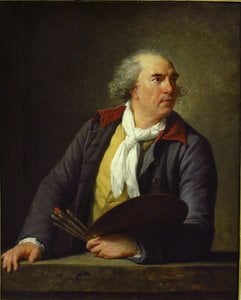
1733 - 1808 , Frankrike

Explore the breathtaking drama of Baroque landscapes. Our expert guide delves into the interplay of light and shadow in 17th-century masterpieces. Discover art history and find museum-quality, hand-painted oil reproductions to bring classical grandeur to your home.

Oppdag de 10 mest ikoniske romantiske landskapsmaleriene! Fra Caspar David Friedrich til Turner – utforsk kunsthistorien, stemningen og fargepalettene. Finn museumskvalitets reproduksjoner på WahooArt.com.

Explore the captivating world of Hubert Robert, master of Romantic landscape painting & 'capriccio' ruins. Discover his historical context, artistic innovations, and collecting insights with WahooArt.

Explore the breathtaking drama of Baroque landscapes. From Rubens's grand vistas to the mastery of chiaroscuro, discover how 17th-century artists transformed nature into a theatrical stage of emotion and light. A deep dive for true art enthusiasts.

Master the art of drama with our ultimate guide to Baroque landscapes. Discover the power of chiaroscuro, explore legendary masters, and learn how to curate epic, dark-vibe masterpieces for your collection with expert insights from WahooArt.
 Forhåndsvisning
 Send
Send Del
Del
 Vis detaljer
 Utskriftsvennlig guide

 Last ned bilde
 Liknende objekter
 Røntgenundersøkelse
 Lysbildefremvisning
 Spørsmål og svar
 Statistikk


 Vis hele teksten









 Glassalternativet er kun tilgjengelig i størrelser under 110 cm


