**et liv preget av kunstnerisk utforskning**
gabriël metsu, en nederlandsk maler, levde et liv preget av kunstnerisk utforskning og innovasjon. Født i 1629, legemliggjorde Metsus arbeid selve ånden i den nederlandske gullalderen, en periode viden kjent for sin enorme kunstneriske produksjon. Denne biografien dykker ned i livet og verkene til denne gåtefulle skikkelsen, hvis bidrag til kunstverdenen fortsetter å fascinere oss den dag i dag.
**tidlig liv og påvirkninger**
Metsu ble født i 1629 som sønn av jacques metsu, en billedvever og maler som opprinnelig kom fra hainault. Denne eklektiske bakgrunnen påvirket sannsynligvis gabriels tidlige interesse for mangfoldige kunstneriske teknikker. Familiens flytting til leiden, der metsu vokste opp, eksponerte ham for et rikt spekter av kulturelle impulser som formet hans fremtidige blikk.
**en kunstnerisk karriere i endring**
Metsus karriere var preget av en motvilje mot å binde seg til én enkelt stil eller teknikk, noe som ga ham tittelen "en svært eklektisk kunstner." Hans virke strakte seg over historiemalerier, stilleben, portretter og sjangermalerier. Det er verdt å merke seg at av hans 133 verk er kun 14 daterte, noe som etterlater mange mysterier rundt hans kreative prosess.
- rembrandt van rijn sin innflytelse på metsus tidlige arbeid er tydelig, særlig i hans bruk av lys og farge.
- metsus flytting til amsterdam i 1655 markerte et betydelig skifte i hans stil, med et større fokus på hjemlige interiører og sjangerscener.
- hans opplæring under michiel van musscher og joost van geelm reflekterer hans dype forankring i det kunstneriske fellesskapet.
**bemerkelsesverdige verk og et varig ettermæle**
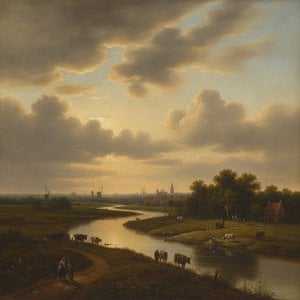
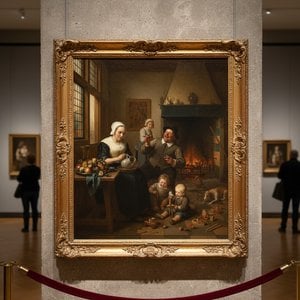
Metsus malerier portretterte ofte unge kvinner, markedsscener og eldre mennesker, med inspirasjon hentet fra populære emblemer og symbolikk. Et fremragende eksempel er
fjærkrehandleren, som på mesterlig vis viser hans bruk av symbolsk språk.
sentrale verk: **museer og samlinger**
Metsus verk kan i dag finnes i en rekke museer, inkludert rijksmuseum i amsterdam. For mer informasjon om hans kunst og for å utforske andre malere fra den nederlandske gullalderen, besøk /no/art/show/art-d3c627-no/ for en omfattende oversikt.
konklusjon: gabriel metsus liv og kunst er et vitnesbyrd om den innovative ånden i den nederlandske gullalderen. Hans eklektiske stil, selv om den til tider er gåtefull, har etterlatt et uutslettelig spor i kunsthistorien. Etter hvert som vi fortsetter å avdekke mer om hans liv og virke, blir vi påminnet om den dype innvirkningen han hadde på utviklingen av vestlig kunst.
- for en dypere forståelse av den nederlandske gullalderen, se [https://en.wikipedia.org/wiki/dutch_golden_age_painting](https://en.wikipedia.org/wiki/dutch_golden_age_painting).
- utforsk flere av metsus verk og hans samtidiges arbeider på [https://WahooArt.com/@/gabriel-metsu](https://WahooArt.com/@/gabriel-metsu).
**referanser:**



 Se i rommet
 Bytt til trykkversjon
 Del som digitalt kort
 Del
Del
 Detaljer
 Studentguide

 Last ned
 Liknende objekter
 Røntgen
 Lysbildefremvisning
 Besøksstatistikk

 Les mer






































 Glassalternativet er kun tilgjengelig i størrelser under 110 cm