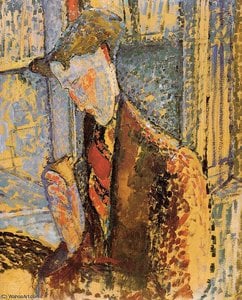
A Life Forged in Expression: The World of Ernst Ludwig Kirchner
Ernst Ludwig Kirchner, et navn synonymt med den rå emosjonelle kraften til tysk ekspresjonisme, ble født inn i en verden på randen av dramatisk endring. Hans ankomst til Aschaffenburg, Bayern, i 1880, markerte begynnelsen på et liv dypt forankret i kunstnerisk innovasjon og personlig turbulens. De skiftende landskapene i barndommen – diktert av farens yrke – la grunnlaget for en følelse av utstøtthet som senere ville gjenskares i hans kunst. Fra Frankfurt til Perlen, og til slutt etablering i Chemnitz, absorberte den unge Kirchner de voksende bekymringene i et raskt moderniserende Tyskland. Selv om han opprinnelig ble veiledet mot arkitektur ved Königliche Technische Hochschule i Dresden, var det draget etter maleri, drevet av beundring for mestere som Albrecht Dürer og en økende misnøye med akademisk konvensjon, som endelig definerte hans vei. Han fant fellesskap med andre opprørere – Fritz Bleyl, Karl Schmidt-Rottluff og Erich Heckel – og dannet bånd som uunngåelig ville forandre kunstens gang i det 20. århundre.
The Bridge Between Worlds: Die Brücke and Artistic Revolution
I 1905 ble Kirchner medstifter av *Die Brücke* (“Broen”), en kunstnerisk kollektiv dedikert til å bygge bro over gapet mellom tradisjonell estetikk og en mer visceral, emosjonelt ladet form for uttrykk. Dette var ikke bare et spørsmål om stil; det var en filosofisk posisjon. Gruppen søkte inspirasjon fra kilder ofte oversett av den etablerte kunstverdenen – primitiv kunst fra Afrika og Oceania, de dristige fargene til Vincent van Gogh, og Edvard Munchs forførende psykologiske dybde. De nektet å akseptere idealiserte representasjoner av skjønnhet foretrukket av akademisk maleri, i stedet omfavnet forvrengning, sjokkerende fargepaletter og uttrykksfull penselstrøk for å formidle bekymringene og følelsen av isolasjon som preget moderne liv. Kirchners tidlige verk, født fra denne samarbeidsånden, pulserte med en rastløs energi, reflekterende gruppens felles ønske om å bryte fri fra kunstneriske begrensninger. Studioet ble et smelteverk for eksperimentering, et rom hvor sosiale normer utfordret sammen med kunstneriske konvensjoner. Utforskingen av det menneskelige legemet, spesielt den nakne kvinnen, i både urbane og naturlige omgivelser, ble et tilbakevendende motiv, som tillot Kirchner å undersøke bevegelse, følelser og kompleksiteten i moderne eksistens.
Urban Anxieties and Bold Visions: Defining a Style
Kirchners kunstneriske stil er umiddelbart gjenkjennelig for sine distinkte trekk. Han brukte farger ikke som et middel til trofast representasjon, men som et verktøy for å vekke følelser – livlige, ofte ikke-naturlige nyanser som forsterket følelsen av uro eller intensitet i komposisjonene hans. Penselstrøkene var energiske og synlige, bidragende til den generelle følelsen av umiddelbarhet og rå emosjon. Figurer og objekter ble ofte forvrengt eller forlengerte, gjenspeilende en subjektiv snarere enn objektiv virkelighet. Kanskje mest kraftfullt fanget Kirchner den psykologiske effekten av moderne urbane liv i tidlig 20. århundre Tyskland. Malerier som *The Street* (1908) er ikke bare representasjoner av byscener; de er portretter av ensomhet, som fanger den frenetiske energien og følelsen av isolasjon i en raskt foranderlig verden. Han nølte ikke med å skildre de mørkere aspektene ved modernitet – ensomheten, anonymiteten, følelsen av å bli overveldet av omfanget av urbane eksistens. Dette uavvendelige blikket etablerte ham som en forteller av sin tid, en kunstner som torde konfrontere bekymringene som ulmet under overflaten av samfunnsmessig fremgang.
Influences and Legacy: A Lasting Impact
Kirchner var dypt påvirket av en rekke kunstnere og bevegelser. Hans beundring for Albrecht Dürer førte til en fascinasjon for middelalderkunst og tradisjonell tysk håndverk, noe som manifesterte seg i hans eksperimentering med tretrykk. Han studerte også verkene til impresjonister som Van Gogh og Gauguin, og ble inspirert av deres bruk av farge og penselstrøk for å formidle følelser. Den primitiv kunst fra Afrika og Oceania spilte en viktig rolle i hans søken etter et mer direkte uttrykk for menneskelige følelser og energier. Hans tidlige arbeid var også påvirket av den ekspresjonistiske bevegelsen, som han senere ble en sentral skikkelse i. Etter krigen opplevde Kirchner en mental nedtur, noe som førte ham til Sveits i søken etter ro. Likevel fortsatte han å skape kunst, og hans verk reflekterte den vedvarende traumene og isolasjonen han opplevde. Den stigende makten til nazistene brakte ytterligere vanskeligheter; over 600 av hans arbeider ble beslaglagt og merket som "degenerert" kunst – en forferrende hendelse som understrekte det politiske klimaets fiendtlighet mot moderne kunstnerisk uttrykk. Konfrontert med forfølgelse og svekket helse, tok Kirchner sitt eget liv i Davos, Sveits, i 1938. Til tross for denne hjerteskjærende slutten er Ernst Ludwig Kirchners arv dypt innflytelsesrik. Han står som en sentral figur i tysk ekspresjonisme, og inspirerer generasjoner av kunstnere med sin dristige stil, emosjonelt resonnerende skildringer av moderne liv og urokkelige forpliktelse til kunstnerisk sannhet. Hans verk utstilles fortsatt i store museer over hele verden, og tjener som en kraftfull påminnelse om kunstens vedvarende makt til å konfrontere, utfordre og til slutt belyse den menneskelige tilstand.
- Influenced By: Albrecht Dürer, Vincent van Gogh, Edvard Munch, Primitive Art (African & Oceanic)
- Influenced: Kirchner’s work profoundly impacted subsequent generations of Expressionist and Modern artists. His exploration of psychological themes and his innovative use of color and form continue to inspire contemporary art practices.
Current Meta Description: Ernst Ludwig Kirchner (1880-1938): Key German Expressionist & Die Brücke co-founder. Explore bold, emotive paintings of urban life, nudes & landscapes.
Current Meta Keywords: Ernst Ludwig Kirchner, Kirchner paintings, German Expressionism, Die Brücke, Expressionist art, Berlin street scenes, Woodcut prints, Modern German art, Nude figures, Kirchner artwork



 Se i rommet
 Bestill håndmalt reproduksjon
 Del som digitalt kort
 Del
Del
 Detaljer
 Studentguide

 Last ned
 Liknende objekter
 Røntgen
 Lysbildefremvisning
 Besøksstatistikk

 Les mer






































 Glassalternativet er kun tilgjengelig i størrelser under 110 cm