


x

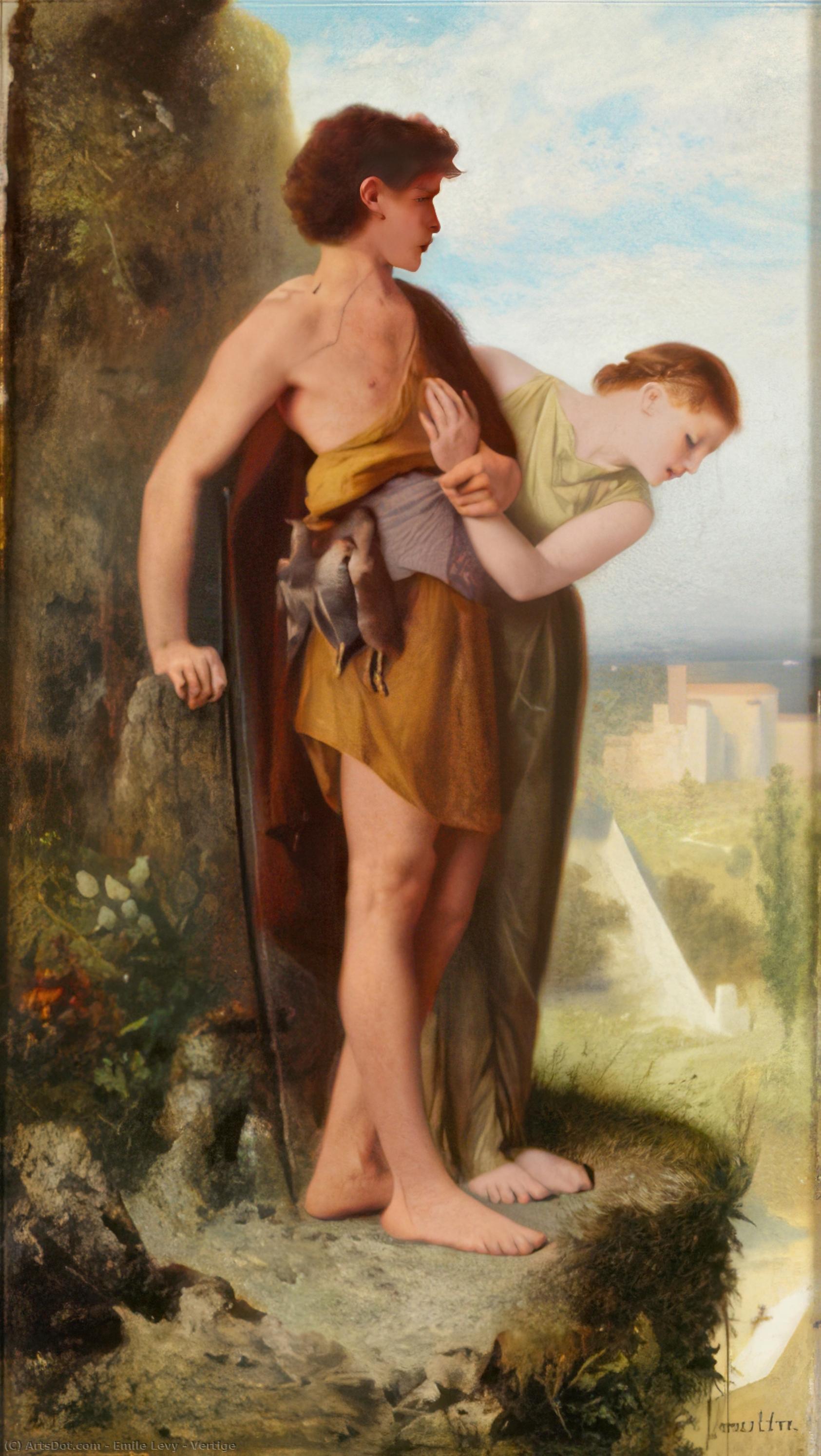
 Bestill maleri Kjøp digitalt bilde
 Send
Send
 Detaljer
 Legg til i favoritter
 Last ned bildet
 Liknende objekter
 Røntgen
 Lysbildefremvisning
Giclée- eller lerretsprint av museumskvalitet med rask produksjon og fleksible valgmuligheter for etterbehandling.
Velg mellom våre forhåndsdefinerte størrelser som bevarer kunstverkets opprinnelige proporsjoner.

Du kan oppgi egne mål for å tilpasse en spesifikk ramme eller et bestemt område. Dersom den valgte størrelsen ikke samsvarer med det originale bildets proporsjoner, vil vi enten beskjære kunstverket eller utvide bildet med en speilet eller ensfarget kant. En digital mockup vil bli sendt til din godkjenning før produksjonen starter.
Vennligst merk at forhåndsvisningen på skjermen ikke gjenspeiler den faktiske beskjæringen eller utvidelsen. Kun mockuppen vil vise den endelige komposisjonen nøyaktig.
Selv om tilpassede størrelser er tilgjengelige, anbefaler vi å velge et mål fra den forhåndsdefinerte listen for å bevare de originale proporsjonene.
Verdensomspennende levering () på 2 uker i stedet for standard 4/5 uker. (3 July)


Vertige
Størrelse på reproduksjon


Émile Lévy, a French genre and portrait painter born in Paris on August 29, 1826, tragically passed away in 1890 at the young age of sixty-four. Despite his brief artistic career, Lévy left an indelible mark on the Impressionist movement, capturing fleeting moments of Parisian life with remarkable sensitivity and detail.
Lévy’s formative years were spent studying under François-Éouard Picot and Abel de Pujol at the École des Beaux-Arts in Paris. These influential teachers instilled in him a foundational understanding of classical technique alongside an appreciation for capturing atmospheric effects—a crucial element that would define his distinctive style.
His artistic breakthrough arrived with the prestigious Grand Prix de Rome in 1854, securing him considerable recognition and propelling him into the Parisian art scene. Immediately following his return from Italy, Lévy established himself as a dedicated portraitist, diligently documenting the faces of his era.
Lévy’s exhibitions at the Salon garnered critical acclaim, notably earning him a first-class medal in 1878 and subsequently receiving the Legion of Honor in 1867. Among his most celebrated works are “Noah cursing Canaan” (1855), depicting biblical drama with dramatic lighting and compositional dynamism; “Supper of the Martyrs” (1859), a poignant portrayal of religious devotion rendered with meticulous realism; “Death of Orpheus” (1866), housed in the Luxembourg Museum, showcasing his masterful handling of color and texture; “Love and folly” (1874); “Infancy” (1885); “The elements,” presented at the Ministry of State Salon, capturing the grandeur of nature; and “Presentation of the Virgin,” adorning Trinity Church in Paris.
Lévy’s artistic legacy resides primarily in his evocative depictions of everyday life—scenes from Parisian streets and interiors imbued with a palpable sense of atmosphere. His ability to convey emotion through subtle brushstrokes and nuanced tonal gradations cemented his position as a significant contributor to Impressionism, ensuring that his paintings continue to resonate with viewers today.
Despite his tragically short life span, Émile Lévy’s artistic vision endured, leaving behind a collection of paintings that offer invaluable glimpses into the spirit of Belle Époque Paris and exemplify the enduring power of Impressionist art.

1888 - 1890


Hold deg oppdatert med de siste kunstnyhetene, eksklusive tilbud og dekorasjonsideer.
Fortell oss om prosjektet ditt, så vil våre kunsteksperter gi deg 3 personlige kunstforslag.
Vi velger ut 3 alternativer kun for deg – helt gratis!
 Del med andre


 Vis hele teksten




































 Glassalternativet er kun tilgjengelig i størrelser under 110 cm


