De kunstwerken die op deze pagina worden weergegeven, zijn beschermd door de auteursrechtwetgeving, wat betekent dat het ons wettelijk niet is toegestaan om identieke reproducties te maken of te verkopen. Deze bescherming wordt gehandhaafd onder internationale overeenkomsten zoals de Conventie van Bern en door nationale wetgeving, waaronder de bepalingen van de Amerikaanse auteurswet - Titel 17. Alle rechten voorbehouden. Reproduceren of distribueren van afbeeldingen is niet toegestaan zonder uitdrukkelijke schriftelijke toestemming van WahooArt.com en de rechthebbenden.
Deze methode voldoet volledig aan de auteursrechtwetgeving, omdat het niet gaat om het kopiëren of dupliceren van het beschermde kunstwerk. In plaats daarvan is er sprake van een creatieve herinterpretatie — een nieuw schilderij dat door het origineel wordt geïnspireerd, maar er niet identiek aan is.
Giclée- of canvasafdruk van museumkwaliteit met een snelle productie en flexibele afwerkingsmogelijkheden. ( Bestel handgeschilderde reproductie Schakel over naar digitale afbeeldingen)





























Kies uit onze vooraf ingestelde maten die overeenkomen met de originele verhoudingen van het kunstwerk.

Voer de gewenste breedte en hoogte in, passend bij uw lijst of muur. Een afdruk kan alleen worden ingekort en nooit groter worden gemaakt dan het origineel; een formaat met andere verhoudingen zal daarom een deel van de afbeelding verliezen. Wij sturen u een digitaal mockup ter goedkeuring voordat we tot drukwerk overgaan. De afbeelding op deze pagina toont niet de werkelijke uitsnede — dit is alleen te zien op het mockup.
Wereldwijde levering () binnen 2 weken in plaats van de standaard 4/5 weken. (9 november)
La belle captive
Afmetingen reproductie
René Magritte's La Belle Captive (1949) is not merely a depiction of a scene; it’s an invitation to question the very nature of observation and reality. This surrealist masterpiece, rendered with Magritte’s signature meticulous technique, presents a disquieting tableau – a man framed within a viewfinder, observing a tranquil landscape punctuated by a horse-drawn carriage and three indistinct figures. The painting immediately arrests the viewer's attention, drawing them into a world where appearances are deliberately deceptive, mirroring the anxieties of the post-war era and Magritte’s profound interest in challenging conventional perceptions.
Magritte's approach to painting was characterized by an almost obsessive attention to detail combined with a deliberate rejection of traditional representational techniques. La Belle Captive exemplifies this duality. The meticulous rendering of the horse-drawn carriage, the textures of the trees, and even the subtle reflections in the viewfinder demonstrate his technical prowess. However, it is precisely this realism that heightens the painting’s unsettling effect. He employed oil on canvas with a smooth, almost enamel-like finish, creating an illusion of depth and solidity that further emphasizes the artificiality of the scene. The use of muted colors – predominantly browns, greens, and blues – contributes to the overall atmosphere of quiet contemplation and subtle unease.
Painted in 1949, during a period of significant social and political upheaval following World War II, *La Belle Captive* resonates with the anxieties of its time. The viewfinder motif is particularly potent, representing the limitations of human perception and the constructed nature of reality. It echoes Magritte’s broader exploration of themes related to identity, memory, and the subconscious – ideas that were gaining traction within the Surrealist movement. The presence of the three indistinct figures adds another layer of mystery, perhaps symbolizing the unknowable aspects of human experience or the fragmented nature of collective memory. The painting can be interpreted as a commentary on the role of media in shaping our understanding of the world, and the potential for manipulation inherent in visual representation.
La Belle Captive possesses a profound emotional impact, prompting viewers to confront their own assumptions about what they see. It’s a painting that lingers in the mind long after initial observation, inviting repeated contemplation. Magritte's work continues to resonate with contemporary audiences due to its timeless exploration of fundamental questions about perception, reality, and the human condition. A hand-painted reproduction of this iconic artwork offers an unparalleled opportunity to experience the power and beauty of Magritte’s vision – a window into the unseen, forever challenging our understanding of the world around us.
De AR-weergave-pagina van "La belle captive" door René Magritte maakt gebruik van augmented reality om het kunstwerk op een compatibel apparaat in uw eigen ruimte te tonen.
In "La belle captive" wordt een Statement contrast gecombineerd met een Balanced Harmony harmonie.
De afbeelding van "La belle captive" door René Magritte is te downloaden op de Downloaden-pagina van het kunstwerk: een digitale afbeelding in hoge resolutie om te downloaden.


1898 - 1967 , België

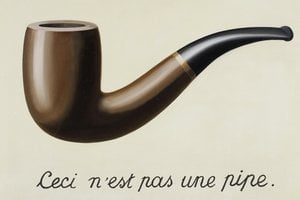
Delve into the profound mysteries of René Magritte’s Surrealism. Explore an expert analysis of 'The Treachery of Images,' decoding the philosophical paradoxes and visual subversions that redefined modern art history for collectors and connoisseurs alike.

Discover the excellence of WahooArt.com premium poster prints. Designed for elite collectors, our museum-quality Giclée reproductions offer unmatched durability and archival precision to elevate your luxury interiors with high-impact, sophisticated art decor.

Elevate your design projects with WahooArt's premium canvas prints and hand-painted reproductions. From Giclée excellence to bespoke oil commissions, we provide professional decorators with museum-quality, affordable art solutions delivered worldwide with a 100% satisfaction guarantee.
 Voorvertoning
 Verstuur
 Delen
Delen
 Details bekijken
 Gids
Gids

 Download
 Vergelijkbare items
 Röntgenonderzoek
 Diavoorstelling
 Vraag & antwoord
 Statistieken

 Lees meer









 De optie voor glas is alleen beschikbaar bij een formaat kleiner dan 110 cm.