The Last Flourish of a Limoges Dynasty
In the heart of sixteenth-century France, within the storied city of Limoges, a name emerged that would represent both the pinnacle and the twilight of a magnificent artistic lineage. Pierre Penicaud, born around 1515, was not merely an artist but a custodian of a precious family legacy. As a member of the illustrious Pénicaud dynasty, his life was inextricably linked to the exquisite craft of enamel production, a tradition that had been meticulously refined by his ancestors for generations. To understand Pierre is to understand the weight of history he carried upon his shoulders; he stood as the final prominent figure in a family tree that began with the foundational work of Nardon Pénicaud, who had once blended Gothic sensibilities with the burgeoning motifs of the Renaissance.
The air of Limoges during Penicaud’s era was thick with the scent of minerals and the heat of kilns, a period when the city became synonymous with unparalleled enamel mastery. While his predecessors, such as Jean I Penicaud, had introduced daring innovations like transparent colors on copper—drawing inspiration from the profound prints of Albrecht Dürer—Pierre focused his devotion on the more disciplined and monochromatic elegance of grisaille. His work was a testament to the endurance of technique, a bridge between the medieval traditions of his forebears and the sophisticated Mannerist aesthetics that were beginning to sweep across the European continent.
Mastery of Light and Shadow in Grisaille
The true soul of Pierre Penicaud’s artistry lies in his command over the grisaille technique. Unlike the vibrant, polychrome works of earlier generations, Pierre’s repertoire was defined by a deliberate restraint, often working exclusively within a palette of black or blue backgrounds to create striking, sculptural effects. This method required an almost alchemical precision; the artist had to manipulate layers of opaque white enamel to simulate depth, texture, and the play of light upon form. Through this monochromatic lens, he achieved a remarkable level of realism, capturing the subtle contours of the human figure with a clarity that felt both ancient and strikingly modern.
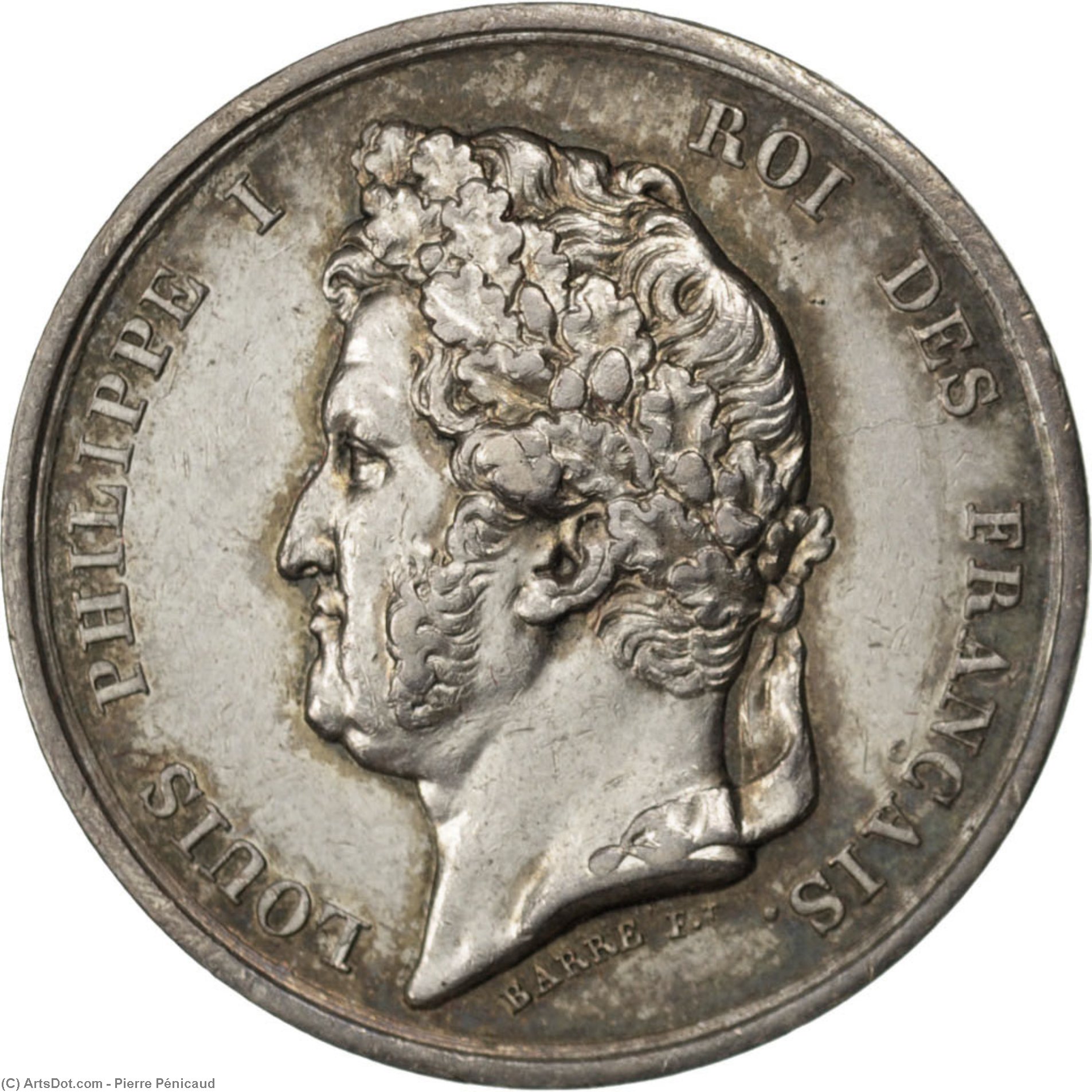
His compositions often transcended simple decoration, evolving into complex narratives that captured the tumultuous spirit of his age. One might gaze upon his round medallions and find oneself thrust into a swirling vortex of conflict. In these miniature stages, Penicaud rendered battle scenes with such visceral energy that the viewer can almost hear the clash of steel and feel the adrenaline of combat. These works were not merely depictions of violence but were deeply layered with symbolism, serving as moral allegories for civic virtue or commemorations of military triumph. Every contorted limb and drawn sword within his medallions speaks to a profound understanding of pictorial narrative, where the stillness of enamel meets the frantic motion of history.
A Legacy Etched in Enamel
Though some scholars suggest that Pierre may not have reached the same heights of fame as his more experimental predecessors, his historical significance remains undeniable. He was the guardian of a standard, ensuring that the technical brilliance of Limoges survived through a period of profound European upheaval. His ability to marry the meticulous detail of Mannerism—characterized by its stylized figures and dramatic compositions—with the rigorous demands of enamel painting allowed him to leave an indelible mark on the decorative arts of France.
The significance of his life's work can be summarized through several enduring contributions:
- Preservation of Tradition: He maintained the integrity of the Pénicaud family’s grisaille techniques, ensuring the continuity of Limoges' reputation during a period of transition.
- Mannerist Expression: His ability to translate the dramatic, often exaggerated aesthetics of the Mannerist style into the permanent, delicate medium of enamel.
- Narrative Depth: The transformation of small-scale decorative objects, such as medallions, into profound vessels for historical and allegorical storytelling.
Ultimately, Pierre Penicaud remains a singular figure—a master craftsman whose hands worked in the service of both family honor and artistic evolution. His legacy is found not just in the surviving pieces of gold and bronze, but in the very breath of the Limoges tradition that he so faithfully upheld until the close of his life in 1590.


 Schakel over naar print
 Verstuur
 Delen
Delen
 Details bekijken
 Gids
Gids

 Download
 Vergelijkbare items
 Diavoorstelling
 Statistieken


 Lees meer


