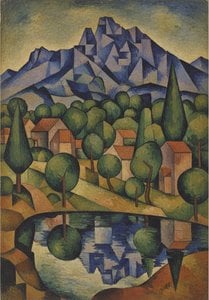
The Legacy of Sonsai
Sonsai, a name etched into the annals of art history during the late eighteenth century, remains a figure of profound intrigue for scholars and enthusiasts alike. Born in 1736, this artist emerged from a period of significant cultural transition, navigating an era where traditional aesthetics began to encounter the shifting tides of historical change. While much of the specific biographical detail regarding his early life remains shrouded in the mists of time, his presence is undeniably felt through the enduring impact of his creative vision. His work serves as a bridge between eras, capturing a sense of permanence amidst a world in flux, and reflecting the meticulous craftsmanship that defined the masters of his generation.Artistic Vision and Technique
The essence of Sonsai’s artistry lies in a masterful command of form and a deep, intuitive understanding of light and shadow. His approach to the canvas was characterized by a deliberate, thoughtful application of medium, where every stroke seemed to carry the weight of intention. To observe his work is to witness a dialogue between the artist and his subject, a process that required not only technical prowess but also an emotional resonance that could transcend the boundaries of time. Key elements of his artistic development include:- A profound mastery of composition, ensuring that every element within the frame contributes to a unified and harmonious narrative.
- The use of subtle tonal variations to create depth, breathing life into static images and imbuing them with a sense of movement.
- An ability to capture the ephemeral qualities of nature and human emotion, rendering the fleeting moments of existence with remarkable clarity.
Historical Significance and Enduring Influence
As we reflect on the life and work of Sonsai, we recognize an artist whose contributions extend far beyond the mere creation of beautiful objects. His significance lies in his ability to encapsulate the spirit of his age, providing a visual record of the textures, moods, and complexities of the late 1700s. Through his dedication to his craft, he helped shape the aesthetic sensibilities of his time, leaving behind a legacy that continues to inspire those who seek beauty in the precision of detail and the depth of human expression. His death in 1802 marked the end of a remarkable journey, yet the echoes of his artistic voice remain vibrant, inviting contemporary viewers to rediscover the timeless elegance of his vision.Klausimai ir atsakymai
Ar galiu apsilankyti virtualiame Sonsai kūrybos muziejuje?
Galima apsilankyti virtualiai: Sonsai puslapyje 3D galerija kūriniai pristatomi trimensione galerijoje.
Kur galiu pamatyti visus Sonsai kūrybos darbus?
Visi ši ši internetinė svetainė esantys Sonsai kūriniai galima peržiūrėti puslapyje Visi kūriniai.
Kur ir kada gimė Sonsai?
Sonsai gimė Horie, 1736 m.
Kokie kiti pseudonimai arba alternatyvūs vardai priklauso Sonsai?
Sonsai taip pat žinomas (žinoma) kaip Kimura Kenkadō, Sansai, Kenkado Kimura, 木村蒹葭堂.