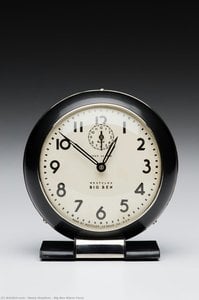
The Architect of Human Experience
In the bustling, creative heart of Brooklyn at the dawn of the twentieth century, a vision was being forged that would forever alter the way humanity touches the world. Henry Dreyfuss did not merely design objects; he sculpted the very interface between man and machine. His journey began not in a factory, but amidst the theatrical magic of Broadway, where as a teenager, he learned the art of spatial storytelling and the dramatic impact of form. Under the mentorship of the legendary Norman Bel Geddes, Dreyfuss transitioned from the ephemeral shadows of the stage to the tangible reality of industrial utility, bringing with him an innate understanding that every curve and contour holds the potential to shape human behavior.
This early immersion in the world of performance instilled in him a profound respect for the relationship between an object and its environment. He understood that design was not a solitary act of decoration, but a continuous dialogue between the creator and the user. As he moved from designing stage sets to shaping the tools of modern life, his work became a testament to the idea that true beauty is found in the seamless integration of form and function.
The Science of Comfort and the Ergonomic Revolution
As the mid-century era dawned, Dreyfuss pioneered a revolutionary philosophy known as ergonomics—the meticulous study of human dimensions and capabilities. He looked beyond the superficial allure of modernism to ask a more profound question: how does an object serve the hand, the eye, and the body? This pursuit of human factors led to his most iconic triumph, the Western Electric Model 500 telephone. By analyzing the nuances of grip and posture, he transformed a bulky, cumbersome device into a seamless extension of the user, creating a design so perfect it remained a standard for decades.
His approach was defined by several core principles that redefined the industrial landscape:
- Anthropometric Precision: Utilizing the study of human measurements to ensure every product felt natural and intuitive.
- Functional Elegance: Stripping away unnecessary ornamentation to reveal a streamlined, purposeful aesthetic.
- User-Centric Innovation: Prioritizing the physical comfort and psychological ease of the person interacting with the object.
Through his groundbreaking work, Dreyfuss moved design away from mere "styling" and toward a scientific discipline that respected the biological realities of the human form.
A Lasting Impression on the Modern Landscape
The legacy of Henry Dreyfuss is etched into the very fabric of our daily existence, found in the rhythmic ticking of a Big Ben alarm clock or the tactile click of a Polaroid camera. His influence stretched from the cockpits of Lockheed aircraft to the rugged machinery of John Deere tractors, proving that great design is universal and transcends the boundaries of industry. He possessed a rare ability to find the soul within the machine, imbuing mass-produced items with a sense of care and consideration.
Through his seminal writings, such as Designing for People and The Measure of Man, he provided a blueprint for generations of designers to follow. He taught us that innovation is not measured by complexity, but by how effectively a design disappears into the user's life, becoming an effortless part of their movement and habit. Dreyfuss remains a titan of mid-century modernism, a man who saw the profound beauty in utility and forever changed the way we interact with the world around us.
问答环节
Kokie kiti pseudonimai arba alternatyvūs vardai priklauso Henry Dreyfuss?
Henry Dreyfuss taip pat žinomas (žinoma) kaip Dreyfuss.
Kuriame mieste ir šalyje gimė Henry Dreyfuss?
Henry Dreyfuss gimė Brooklyn, United States of America šalyje.
Kuriuose meno...> Kuriuose meno judelseriu dirbo Henry Dreyfuss?
Puslapio Visi stiliai kūriniai Henry Dreyfuss yra suskirstyti pagal meno kryptis.
Kokia Henry Dreyfuss kūryba yra populiari?
Henry Dreyfuss puslapio Statistika statistika yra suformuota remiantis kūriniais, nurodytais šis internetinis svetainė.
Ar yra Henry Dreyfuss kūrybos laiko linija?
Yra Henry Dreyfuss kūrybos laiko linija: puslapyje Kūrybos laiko linija kūriniai yra surikiuoti pagal jų sukūrimo datą.
Kaip rasti Henry Dreyfuss darbus konkrečia spalvų paletė?
Pagrindo pagal spalvų paletę puslapio darbai Henry Dreyfuss kūryboje suskirstyti pagal jų spalvų paletę.
Kaip laikui bėgant evoliucionavo Henry Dreyfuss kūryba?
Chronologinė Henry Dreyfuss kūrybos apžvalga galima rasti puslapio Chronika, kuriame kūriniai pateikiami pagal jų kūrimo tvarką, skirstant į skyrius.
Kokia yra Henry Dreyfuss gimimo vieta ir gimimo metai?
Henry Dreyfuss gimė Brooklyn 1904 m.