NEMOKAMA MENO KONSULTACIJA

x
Pirkti atspaudą Pirkti atspaudąUžsisakyti kopiją Užsisakyti kopiją PasidalintiPasidalinti
DetailsDetails Pridėti į mėgstamiausius Pridėti į mėgstamiausius AtsisiųstiAtsisiųsti Panašūs eksponataiPanašūs eksponatai X-RayX-Ray Automatinė dioramaAutomatinė diorama

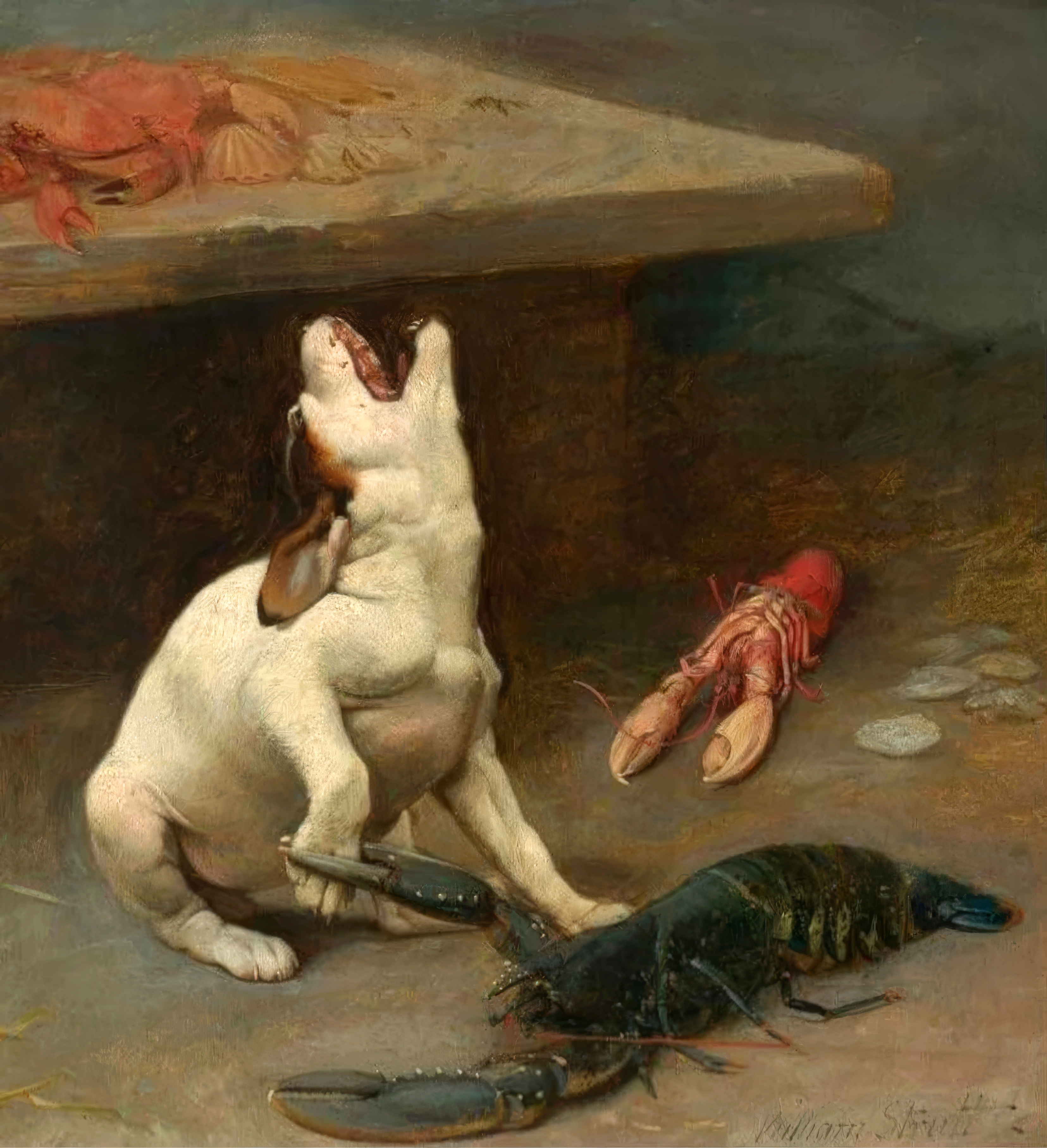
A warm response

A dynamic scene featuring a dog amidst birds and a crab captures the raw energy of William Strutt's masterful painting, inviting you to explore this captivating piece for your private collection.

William Strutt (1825-1915): Explore the works of this English artist famed for his vivid depictions of colonial Australia & New Zealand, including the iconic 'Black Thursday'.

Įsigykite aukštos skiriamosios raiškos, patobulintą skaitmeninį vaizdą, gerokai pranašesnį už internetinę peržiūrą.

Kiekvieną failą mūsų specialistai kruopščiai paruošia naudojant pažangias technologijas ir profesionalų rankinį retušavimą. Užtikriname, kad kiekvienas vaizdas pasižymėtų išskirtiniu aiškumu, tikslia spalvų atspalviu ir smulkiomis detalėmis.

Baigiamas failas el. paštu pristatomas per 72 valandas; jis optimizuotas nedelsiant naudojimui profesionalioje, redakcinėje ir spausdinimo aplinkoje. Tai ta pati kokybė, kuria pasitiki aukščiausios klasės dizaino studijos, leidyklos ir galerijos.

Skaitmeninis vaizdas

Atsisiųskite didelės raiškos failą asmeniniam naudojimui, spausdinimui ir kūrybiniams projektams.

Visų sumos kaina

$9.99

Kiekvieną skaitinio vaizdo užsakymą papildė

Profesionalus skaitmeninis pristatymas, garantuotas

Pasirinkę WahooArt.com, jūs ne tik gaunate paveikslėlį – jūs gaunate profesionaliai patobudintą skaitmeninį kūrinį, sukurtą itin tikniai ir užtikrinantį pasitenkinimą. Štai viską, kas automatiškai pritékia jūsų užsakymui:

shipping_icon
Greitas siuntimas el. paštu

Jūsų aukštos raiškos skaitmeninis vaizdo failas bus išsiųstas jums el. paštu per 72 valaudas nuo užsakymo – paruoštas naudojimui be jokių papildomų veiksmų.

canvas_icon
Skaitmeninis failas su dirbtiniu intelektu

Jūsų meno kūrinys profesionaliai optimizuojamas naudojant pažangius dirbtinio intelekto įrankius ir rankinį redagavimą, užtikrinant maksimalią detalę, aiškumą ir spalvų tikslumą.

insurance_icon
Nemokamas visam laikui pakartotinis siuntimas

Atsitiktinai ištrytikote ar praradote savo failą? Nebijokite – bet kuriuo metu atsiųsime jį jums vėl nemokamai.

tax_icon
Jokio importo mokesčio – niekada

Mėgaukitės savo meno kūriniu akimirka – skaitiniai failai visada yra neapmokestinami, todėl nereikės mokėti muitinės, mokesčių ar pristatymo mokesčių.

color_icon
Spalvų tikslumo garantija

Naudodami profesionalią įrangą ir spalvų valdymo sistemas, užtikriname, kad jūsų skaitmeninis vaizdas kuo tiksliau atspindėtų originalias spalvas.

return_icon
60 dienų pasitenkinimo garantija

Jei nebuvate patenkinti savo skaitinio vaizdo, per 60 dienų jį pertaisysime arba grąkinsime 100% sumą – be jokių klausimų.

guarantee_icon
100% pinigų grąžinimo garantija

Nepat 만족inti? Gaukite visą sumokėtą sumą per 60 dienų nuo skaitmeninio failo gavimo – be jokių papildomų klausimų.

discount_icon
Nuolaidos dideliems užsakymams

Pirkti 3 nuotraukas – pasiūla 10% - Pirkti 5 – pasiūla 15% - Pirkti 10 ir daugiau – pasiūla 20%. Puikiai tinka kūrybiniams projektams, galerijoms bei agentūroms.


Autoriaus biografija

A Colonial Canvas: The Life and Art of William Strutt

William Strutt, born in the coastal town of Teignmouth, England, in 1825, was an artist whose life became a compelling bridge between European artistic traditions and the raw realities of colonial Australia and New Zealand. Descended from a family with established artistic roots—his grandfather, Joseph Strutt, being a noted author and engraver, and his father, William Thomas Strutt, a skilled miniature painter—the young William received early training in Paris at the prestigious École des Beaux-Arts. There, under the guidance of Michel Martin Drölling, he immersed himself in figurative and history painting, absorbing influences that would subtly shape his later work, particularly a reverence for classical composition reminiscent of Raphael. However, Strutt’s artistic journey was not one of seamless progression within established circles; it was marked by personal hardship and an eventual embrace of the untamed landscapes and unfolding dramas of the Southern Hemisphere. A period of difficulty in England prompted a pivotal decision: emigration to Australia in 1850, arriving aboard the *Culloden* and quickly establishing a new life with marriage.

From Parisian Studios to Australian Frontiers

The transition from the refined studios of Paris to the burgeoning colony of Melbourne proved challenging for Strutt. Initially seeking work as an illustrator for the short-lived *Illustrated Australian Magazine*, he soon discovered a limited market for the grand historical paintings in which he was trained. This necessity spurred adaptation, leading him to accept commissions for postage stamp designs and political cartoons—practical endeavors that nonetheless honed his observational skills and draughtsmanship. Yet, it was the devastating Black Thursday bushfires of February 6th, 1851, that truly ignited Strutt’s artistic purpose in this new land. Witnessing firsthand the terrifying spectacle of nature unleashed, he meticulously sketched the scenes of chaos and flight—animals and humans alike desperately fleeing the flames. These sketches would form the foundation for his masterpiece, *Black Thursday, 6 February 1851* (1864), a powerful and emotionally resonant depiction that stands as one of the most significant visual records of this catastrophic event in Australian history. His eighteen months spent on the goldfields near Ballarat yielded limited financial success but provided invaluable insight into the lives of those driven by fortune’s allure. Strutt became an active participant in Melbourne's cultural life, a founding member of the Victorian Society of Fine Arts, and a sought-after portraitist, gradually establishing himself within the colonial art scene.

Documenting a Nation: New Zealand and the Burke & Wills Expedition

Strutt’s artistic focus increasingly turned towards documenting pivotal moments in colonial history. He keenly observed the preparations for and early stages of the ill-fated Burke and Wills expedition, creating numerous sketches that captured the ambition and logistical complexities of this ambitious undertaking. Following their journey and gathering accounts from survivors like John King further informed his work, imbuing it with a sense of tragic realism. A sojourn to New Zealand between 1855 and 1856 brought another chapter to his colonial chronicle. Residing in New Plymouth, he documented the First Taranaki War, capturing the tensions and conflicts that marked this period of colonization. His painting *View of Mt Egmont, Taranaki, New Zealand, taken from New Plymouth, with Maoris driving off settlers' cattle* (1859) offers a compelling glimpse into the complex relationship between Māori and European settlers, showcasing both the landscape’s beauty and the underlying conflict.

Return to England and Lasting Legacy

Driven by religious concerns about raising his children in what he perceived as a morally challenging environment, Strutt returned to England with his family in 1862. There, he transformed his Australian and New Zealand sketches into substantial oil paintings, including *Bushrangers, Victoria, Australia, 1852*, *Robert O’Hara Burke* (1861), and the aforementioned *Black Thursday*. These works weren't merely recreations of scenes; they were imbued with a narrative depth and emotional intensity that set them apart. While his work didn’t achieve widespread recognition during his lifetime, Strutt’s contribution to Australian and New Zealand art history has been increasingly appreciated in recent decades. His paintings offer invaluable visual documentation of colonial life, capturing not only the grand events but also the everyday struggles and complexities of a society in formation. Black Thursday, in particular, remains a powerful testament to the destructive forces of nature and a poignant reminder of the human cost of environmental change. William Strutt died in 1915, leaving behind a body of work that continues to resonate with its historical significance, artistic merit, and enduring emotional power—a colonial artist who truly captured the spirit of his time.

Major Works

  • Black Thursday, 6 February 1851 (1864): A powerful depiction of the devastating bushfires in Victoria.
  • Bushrangers, Victoria, Australia, 1852: Captures a scene from the Australian gold rush era.
  • Robert O’Hara Burke (1861): A portrait of the leader of the ill-fated Burke and Wills expedition.
  • View of Mt Egmont, Taranaki, New Zealand, taken from New Plymouth, with Maoris driving off settlers' cattle (1859): Illustrates a moment during the First Taranaki War.
  • Jerusalem Pilgrims (1872): Demonstrates Strutt’s versatility and interest in religious subjects.
William Strutt

William Strutt

1825 - 1915