

Gaukite spausdinimui paruoštą failą, kurio kokybė gerokai viršija internetinę peržiūrą. Kiekvienas mūsų parduodamas skaitmeninis vaizdas yra ištrauktas iš aukštos raiškos pagrindinio failo mūsų duomenų bazėje — paprastai jis siekia nuo 5 000 iki 15 000 pikselių plotio — todėl galite drąsiai spausdinti didelius formatus, apkirpti vaizdą ar reprodukcija užtikrins visas smulkias detales.
Mūsų studijoje nė viena kopija nelieka neapdorota. Skaitmeninio vaizdo ekspertas, lygiu su originaliu paveikslu, patikrina spalvas ir, jei reikia, jas koreguoja, o tada profesionaliais retušavimo įrankiais padidina aiškumą bei detales — visada išlaikydamas ištikimybę autoriaus teptuko traukoms ir stiliui. Rezultatas – vaizdas, kuris atrodo kaip tikras paveikslas, o ne kaip su filtrais apdorotas skenavimas.
Patvirtinate prieš užsakymo pabaigą: mūsų ekspertas per 72 valandas el. laišku atsiųsta vaizdą jūsų peržiūrai. Nepasitenkinate rezultatu? Paprašykite patobulinimų ar pataisymų arba prašykite pinigų grąžinimo, jei kokybė neatitinka jūsų lūkesčių.
Ši kokybė yra patikima leidybos įstaigoms, dizaino studijoms, galerijoms ir spaudos įmonėms.
Atsisiųskite didelės raiškos failą asmeniniam naudojimui, spausdinimui ir kūrybiniams projektams. ( Perjungti į spausdinamus版作品 Pirkti rankų darbo tapybą)
Pasirinkę WahooArt.com, jūs ne tik gaunate paveikslėlį – jūs gaunate profesionaliai patobudintą skaitmeninį kūrinį, sukurtą itin tikniai ir užtikrinantį pasitenkinimą. Štai viską, kas automatiškai pritékia jūsų užsakymui:
Jūsų aukštos raiškos skaitmeninis vaizdo failas bus išsiųstas el. paštu per 72 valandas nuo užsakymo – jis bus paruoštas naudoti be jokių papildomų veiksmų.
Jūsų meno kūrinys profesionaliai optimizuojamas naudojant pažangius dirbtinio intelekto įrankius ir rankinį redagavimą, užtikrinant maksimalią detalę, aiškumą ir spalvų tikslumą.
Atsitiktinai ištrytikote ar praradote savo failą? Nebijokite – bet kuriuo metu atsiųsime jį jums vėl nemokamai.
Mėgaukitės savo meno kūrynu be jokių muitinės mokesčių, įkainų ar pristatymo išlaidų – skaitiniai failai visada yra neapmokestinami.
Naudodami profesionalią įrangą ir spalvų valdymo sistemas, užtikriname, kad jūsų skaitmeninis vaizdas kuo tiksliau atspindėtų originalias spalvas.
Jei nebuvosite patenkinti įsigyto skaitmeninio vaizdo, mes jį tališkai koreguosime arba grąžinsime 100% sumą per 100 dienų – be jokių klausimų.
Nesitenkinate? Gaukite visą sumokėtą sumą per 100 dienų nuo skaitmeninio failo gavimo – be jokių papildomų klausimų.
Pirkti 3 nuotraukas – 10% nuolaida – Pirkti 5 – 15% nuolaida – Pirkti 10 ir daugiau – 20% nuolaida. Puikiai tinka kūrybiniams projektams, galerijoms bei agentūroms.

London, 1738. A child is born into a city of growing industry and shifting tastes. William Pether enters the world, eventually finding his way to the studio of Thomas Frye. This apprenticeship marks the beginning of a technical obsession with light. By 1761, he is no longer merely a student but a partner to Frye. The partnership provides a foundation for a career defined by the mezzotint—a method where darkness is carved away to reveal brilliance.
The work emerges from deep blacks. He does not simply draw; he excavates. His hands move across copper plates, translating the heavy shadows of Rembrandt and the dramatic, atmospheric lighting of Joseph Wright of Derby into print. In works like The Jewish Bride or A Lecture on the Orrery, the tension lies in the contrast. The light does not just sit on the surface; it seems to struggle against an encroaching gloom.
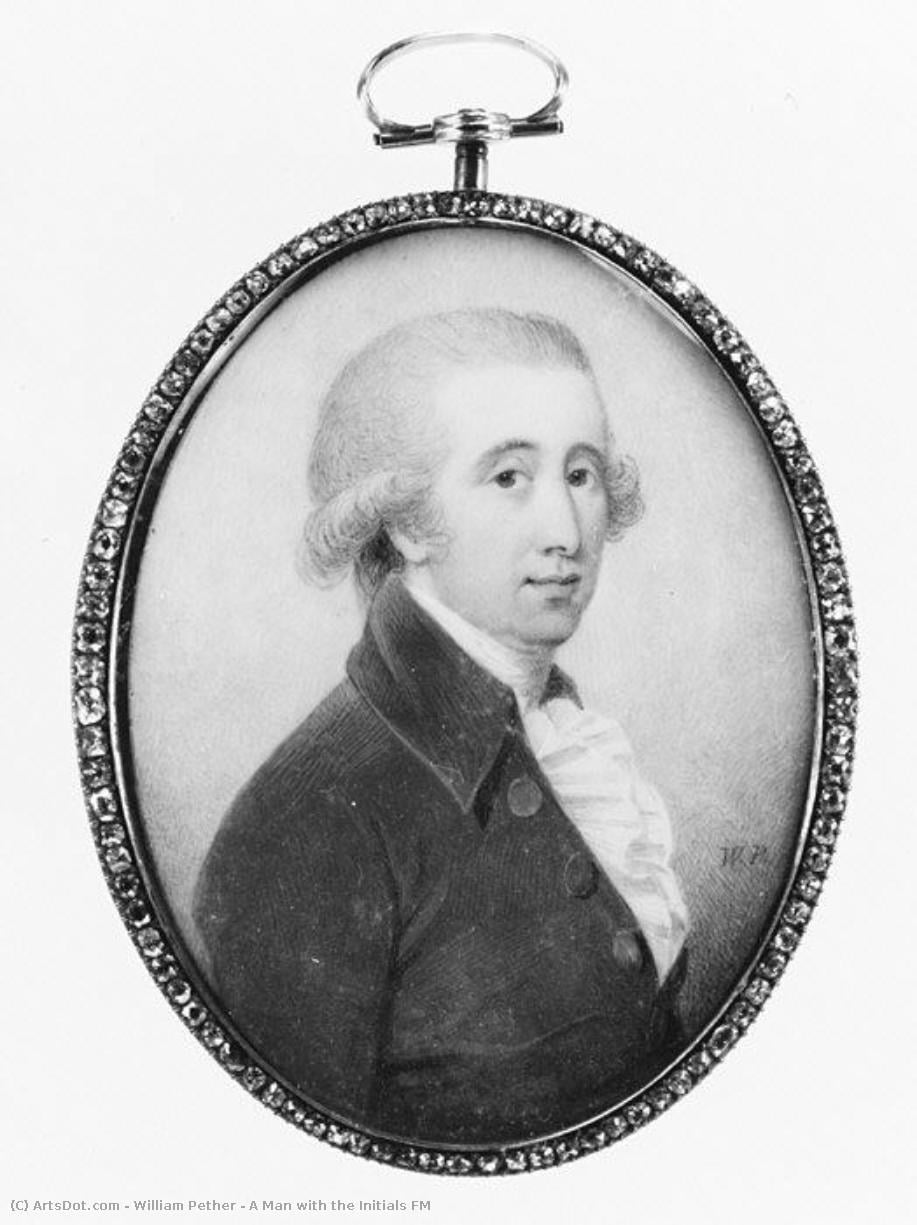
Beyond the heavy grain of the mezzotint, Pether’s hand finds a different scale. He moves from the broad, dark textures of large-scale engravings to the delicate precision of ivory. The transition is sharp. Here, the artist becomes a miniaturist, applying thin layers of paint to create intimate portraits that require a much closer gaze.
His reach extends even to the decorative arts. He applies his skill to the surface of porcelain, decorating objects with the same eye for detail found in his drawings. His repertoire is wide and occasionally unexpected:
The momentum of London life eventually gives way to a more fragmented existence. Pether moves between London, Nottingham, and Bristol. The prestige of being a foundation fellow of the Incorporated Society of Artists and a director of the same body remains, yet his physical presence drifts toward the edges of the capital. In Bristol, the grander ambitions of the engraver settle into the practicalities of a drawing-master and picture-cleaner.
The later years are marked by a quiet retreat from the center of the art world. He engages in engraving portraits of local figures like Edward Colston and Samuel Syer, working within the established traditions of his craft. By the time he reaches Montague Street in Bristol, the man who once captured the dramatic light of the masters has largely faded into obscurity. He dies in 1821, leaving behind a body of work that exists in the delicate balance between the deep shadows of the mezzotint and the fine lines of the miniature.

1738 - 1821
 Peržiūrėti realaus dydžio版
 Pasidalinti
 Dalintis
 Išsamiau
 Vadovas

 Atsisiųsti
 Panašūs eksponatai
 Rentgeno spindulių nuotrauka
 Automatinė diorama
 问答
问答
 Statistika
 Skaityti daugiau


