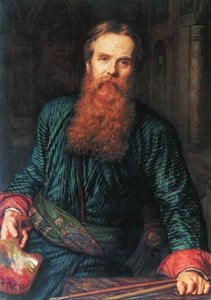
Gyvenimo Pradžia ir Filosofinis Pažadas
William Holman Hunt, gimęs 1827 metų balandžio 2 dieną Cheapside rajone Londone, buvo daugiau nei tik tapytojas; jis buvo filosofas ir dvasios ieškotojas, kuris giliausius savo įsitikinimus perkeldavo ant drobės. Ankstyvieji jo gyvenimo metai, nors ir įsišakniję triūlingame tėvo sandėlio versle, turėjo artistinę polinkį, kuris galiausiai paneigė visus lūkesčius. Pradžioje jam buvo numatyta karjera, atspindinti tėvo darbą, tačiau Hunt rado paguodą ir prasmę meno srityje, pradėdamas slaptais eskizais, o vėliau – po ilgų pastangų – formaliais mokymais Karališkojoje Akademijoje. Šis mokymosi laikotarpis pasirodė ribojantis. Jis troško artistinės raiškos, kuri pranoktų vyraujančias akademines konvencijas – noras, kuris netrukus jį stumtų į revoliucinius pokyčius. Huntui buvo klaiki menų dirbtinumas ir jis siekė grįžti prie nuoširdumo ir detalių, randamų ikirenesanso meistrų kūriniuose – sentimentas, esantis Pre-Rafaelitų Brolijos susiformavimo centre. Hunt’o kelionė nebuvo tik apie estetiką; tai buvo tiesos, moralės ir dvasinio rezonanso paieškos vizualinės reprezentacijos srityje.
Revoliucinės Brolijos Gimimas
1848 metais kartu su Dante Gabriel Rossetti ir John Everett Millais Hunt įkūrė Pre-Rafaelitų Broliją (PRB). Ši grupė nebuvo tik meno judėjimas; tai buvo maištas prieš tai, ką jie laikė meno nuosmukiu nuo Rafaelio. PRB agitavo už grįžimą prie kruopščios detalės, ryškių spalvų ir nuoširdaus turinio, būdingo ankstyvajam italų tapybai – dar prieš vadinamąjį aukšto renesanso dirbtinumą. Hunt’o įsipareigojimas šiai filosofijai išliko tvirtas visos jo karjeros metu. Ankstyvieji darbai, tokie kaip 1851 metais nutapytas
The Hireling Shepherd (Samdinys Ganytojas), yra puikus to atsidavimo pavyzdys. Tapybos kruopštus realizmas – nuo avių vilnos tekstūros iki kiekvieno žolės ašmenies – buvo revoliucinis tuo metu. Tai nebuvo tik kaimo gyvenimo vaizdas; tai buvo bandymas perteikti moralinę ir simbolinę prasmę per tikslius gamtos stebėjimus.
The Awakening Conscience (Prabudusi Sąžinė), taip pat iš šio laikotarpio, dar labiau sustiprino Hunt’o reputaciją kaip intensyviai natūralistinių scenų kūrėjo, įkvėpto psichologinio gilumo ir moralės. Šie paveikslai nebuvo tik vizualiai įspūdingi; tai buvo pareiškimai apie menininko tikėjimą menu kaip tiesos ir dvasinio pabudimo priemone. Brolija siekė mesti iššūkį nusistovėjusioms meno gamybos normoms, atsisakydami to, ką jie laikė formulišku akademiniu tapymu, naudodamiesi tiesiogesniu ir sąžiningesniu įsitraukimu į aplinkinį pasaulį.
Tikėjimo Piligrimas ir Simbolinis Gilumas
Hunt’o artistinė kelionė pasuko nepaprasta kryptimi, kai 5-ojo dešimtmečio viduryje jis keliavo į Šventąją Žemę. Vėdintas noru istorinio ir topografinio tikslumo, jis leidosi į piligriminę kelionę į Palestiną ir Siriją, kruopščiai dokumentuodamas kraštovaizdžius, kostiumus ir papročius. Šis atsidavimas autentiškumui giliai paveikė jo vėlesnius darbus, suteikiant jiems neprivalomo realizmo ir dvasinio rezonanso jausmą.
The Shadow of Death (Mirties Šešėlis), nutapytas šiuo laikotarpiu, yra galingas pavyzdys. Tapyba vaizduoja Kristaus aukos sceną taip, kad buvo ir vizualiai įspūdinga, ir giliai simboliška, atspindinti Hunt’o gilų religinį įsitikinimą. Galbūt jo ikoniškiausias darbas,
The Light of the World (Pasaulio Šviesa), pradėtas 1851 metais ir baigtas 1853 metais, apima šią tikėjimo ir artistinio meistriškumo sintezę. Kristaus atstovavimas belšiantis į duris, siūlantis išgelbėjimą tiems, kurie atveria savo širdis, tapo nepaprastai populiarus ir išlieka vienu žinomiausių religinių paveikslų viktorijos epochoje. Hunt’o įsipareigojimas apėmė daugiau nei tik reprezentaciją; jis siekė įkvėpti savo darbus simbolinės prasmės sluoksniais, remdamasis bibliniais tekstais, viduramžių alegorijomis ir šiuolaikinėmis socialinėmis temomis. Jis tikėjo, kad menas turi moralinę paskirtį – pakelti, įkvėpti ir nukreipti žiūrėtojus į dvasinį apšvietimą.
Pastovus Palikimas ir Vėlesni Metai
Nepaisant prastėjančios regos vėlyvaisiais metais – sunkus smūgis tapytojui, kuris buvo toks atsidavęs detalėms – Hunt’as tęsė kūrybą, dažnai pasitelkdamas asistento Edward Robert Hughes pagalbą. 1905 metais jis paskelbė autobiografiją, pasiūlydamas vertingų įžvalgų apie savo artistinę filosofiją ir asmeninį gyvenimą. Jo atsidavimas buvo pripažintas karaliaus Eduardo VII apdovanojimu už nuopelnus tuo pačiu metu. Hunt’o asmeninis gyvenimas buvo pažymėtas džiaugsmu ir sielvartu; jis vedė du kartus, pirmą kartą su Fanny Waugh, kuri tarnavo modeliu keliuose jo darbuose, o vėliau – su jos seserimi Edith, įveikęs teisinius britų įstatymų sudėtingumus dėl santuokos su mirusios žmonos brolio seseria. Jis mirė 1905 metų rugsėjo 7 dieną ir buvo pagerbtas palaidojamas Šv. Pauliaus katedroje – tai liudija jo reikšmingą įnašą į britų meną ir kultūrą. William Holman Hunt’o palikimas apima daugiau nei tik jo paveikslų grožį. Jis suorganizavo viktorijos meno pasaulį, propaguodamas realizmą, simbolizmą ir dvasinį gilumą, palikdamas nepamainomą pėdsaką kartoms artistų ir žiūrėjusiųjų. Jo darbai ir toliau įkvepia susižavėjimui ir apmąstymams, primindami mums meno galią apšviesti žmogaus būklę ir tyrinėti tikėjimo paslaptis.
Pagrindiniai Įtakos Šaltiniai ir Temos
- Įtaka: John Ruskin’o raštai apie meną ir moralę; Ankstyvieji italų renesanso tapybos darbai (prie Rafaelio); Biblijos tekstai ir viduramžių alegorijos.
- Pagrindinės Temos: Religinis tikėjimas, moralinis pabudimas, gamtos grožis, socialinė kritika, simbolizmas. Hunt’as nuosekliai tyrė atpirkimo, aukos ir dvasinės tiesos paieškų temas savo darbuose.
- Pagrindinės Datos: Balandžio 2 diena, 1827 m.: Gimęs Cheapside rajone Londone; 1851–1853 m.: Nutapytas The Light of the World; Rugsėjo 7 diena, 191



 Peržiūrėti realaus dydžio版
 Perjungti į spausdinimą
 Siųsti
 Dalintis
 Išsamiau
 Gidas
Gidas

 Atsisiųsti
 Panašūs eksponatai
 Rentgeno spindulių nuotrauka
 Diaporama
 Statistika


 Rodyti daugiau