


Šiame puslapyje rodomas meno kūrinys yra saugomas autorių teisių įstatymais, todėl neturime teisės legaliai kurti ar parduoti jo identiškos reprodukcijos. Ši apsauga užtikrinama remiantis tokiais tarptautiniais susitarimais kaip Bernės konvencija ir pagal nacionalines įstatymų nuostatas, įskaitant tas, kurias nurodo JAV autoriškos teisės įstatymas – 17-asis skyrius.
Šis metodas visiškai atitinka autorių teises, nes jame nėra saugomo kūrinio kopijavimo ar dubliavimo. Tai yra kūrybinė reinterpretacija – naujas paveikslas, kurį įkvėpė originalas, tačiau kuris nėra jo identiškas.
Muziejų lygio „giclée“ arba drobos spausdinimas: greita gamyba ir lankstios apdailos parinktys. ( Pirkti rankų darbo tapybą Perejti prie skaitmeninių vaizdų)





























Pasirinkite iš mūsų nustatytų dydžių, atitinkančių originalaus meno kūrinio proporcijas.

Įveskite jums reikiamą plotį ir aukštį, kad atvaizdas derėtų prie jūsų rėmo ar sienos. Spausdiną galima tik sumažinti, bet nepadidinti virš originalaus paveikslėlio dydžio, todėl keičiant proporcijas, dalis vaizdo prarandama. Prieš spausdinimą atsiųsime jums skaitmeninį maketą patvirtinimui. Šioje puslapio nuotraukoje matomas pjūvis nėra tikslus – jį rodo tik maketas.
Pristatymas visame pasaulyje () per 2 weeks, o ne įprastas 4/5 savaičių laikotarpis. (15 lapkritis)
Army Training
Reprodukcijos matmenys
In the profound stillness of 1944, amidst the global upheaval of World War II, William H. Johnson captured a moment of quiet, disciplined preparation in his evocative masterpiece, Army Training. This work serves as more than a mere historical record; it is a soulful window into the African American experience during a period of intense mobilization and social tension. Through a lens that blends modernist abstraction with the heartfelt sincerity of folk traditions, Johnson presents a group of men arranged in a rhythmic, horizontal line. Their presence is felt not through individual portraits, but through a collective, solemn energy that speaks to the shared weight of duty and the dignity of the human spirit under pressure.
The aesthetic language of the piece is strikingly bold, characterized by a graphic simplicity that draws the viewer into its structured composition. Johnson utilizes a palette of warm, earthy tones—deep yellows, rich browns, and resonant reds—to bathe the scene in a light that feels both vibrant and somber. The technique relies on flattened perspectives and geometric shapes, where strong outlines define each figure with a primitive, almost ritualistic clarity. There is no attempt at deceptive depth or realistic shadows; instead, the artist embraces a two-dimensional plane that emphasizes the narrative weight of the subjects. Each brushstroke contributes to a texture that feels grounded and tactile, reminiscent of the very soil from which these figures seem to emerge.
Symbolism breathes life into the seemingly simple forms of the soldiers. The raised hands and the deliberate, rhythmic placement of the men suggest a ceremony or a ritualistic preparation, elevating a military drill to something much more spiritual and communal. Small, carefully placed objects before the figures hint at offerings or sacred tokens, bridging the gap between the secular reality of wartime training and the deep-seated Yoruba-influenced iconography that Johnson masterfully integrated into his work. This fusion of the mundane and the mythic creates an emotional resonance that is both haunting and empowering.
For the discerning collector or interior designer, Army Training offers a profound sense of historical gravity and artistic sophistication. As a reproduction, this piece brings a commanding presence to any space, acting as a focal point that invites contemplation on themes of identity, strength, and perseverance. Its warm color temperature and structured composition make it an ideal addition to curated collections seeking works that possess both decorative elegance and deep, intellectual substance. To hang this work is to invite the enduring legacy of the Harlem Renaissance into one's environment, celebrating a voice of resilience that continues to inspire generations.
Viljamas H. Džonsonas kūriniui „Army Training“ panaudojo Oil On Canvas techniką. Ši technika apibrėžė originalaus kūrinio medžiaginę prigimtį.
Šiame paveikslėlyje „„Army Training“ – Viljamas H. Džonsonas“ spalvų intensyvumas yra Balanced.
„Army Training“ atspindi Viljamas H. Džonsonas kūrybinį laikotarpį Mature Period.


1901 - 1970 , Jungtinės Amerikos Valstijos

Explore the profound drama of warfare through fine art. From heroic battle scenes to intimate portraits of valor, discover museum-quality oil reproductions and bespoke commissions curated for the discerning collector by WahooArt.

Explore 25 iconic William H. Johnson masterpieces of the Harlem Renaissance. Discover museum-quality art on WahooArt.com.

Explore the profound impact of colonialism and primitivism on modern art (1830–1950). This scholarly deep dive examines the colonial gaze, the myth of the noble savage, and how imperial expansion reshaped Western aesthetics through a critical, postcolonial lens.

Explore how military art evolved from imperial propaganda to raw realism. Discover the profound human truth behind every brushstroke.
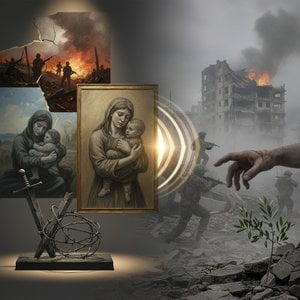
Explore a profound collection of historical war art. From visceral realism to poignant depictions of human resilience, discover museum-quality oil reproductions and expert insights for the discerning collector seeking to preserve history's most powerful echoes.
 Peržiūrėti realaus dydžio版
 Pasidalinti
 Dalintis
 Išsamiau
 Vadovas

 Atsisiųsti
 Panašūs eksponatai
 Rentgeno spindulių nuotrauka
 Automatinė diorama
 问答
问答
 Statistika

 Skaityti daugiau









 Stiklo variantas prieinamas tik pasirinkus dydį iki 110 cm


