Autoriaus biografija
Visiono Kelionė: William Blake’s Gyvenimas ir Menas
William Blake, gimęs Londone 1757 m. lapkričio 28 d., buvo figūra, visada atitrūkusi nuo savo epochos, tačiau paskirtas tapti vienu iš garsiausių romantizmo amžiaus poetų ir menininkų. Jo gyvenimas susidūrė su greitai besikeičiančiu Anglijos peizažu – pasauliu, kovojančiu su industrializacija, politiniais sukrėtimais ir kintančiomis dvasinėmis įtikėjimo formomis. Iš kuklių kilmės, kaip pardavėjo sūnus, Blake’o ankstyvieji metai buvo pažymėti intensyviu vaizduotės gyvumu ir regėjimų polinkiu, kurie giliai paveikė jo meninę trajektoriją. Nors daugiausia savimokslis formaliajame akademinėje srityje, jis jauname amžiuje gavo piešimo instrukcijų, greitai atskleisdamas talentą, kuris numatė neeilinę kelią į priekį. Jo mokymai su graviūra James Basire buvo kertiniai, suteikdami jam ne tik techniškumą, bet ir supratimą apie spaudos technologijas, kurias jis vėliau revoliucijavo. Šie ankstyvieji įtakos – Vestminsterio abatijos gotikinė šlovinimo, Rafaelio ir Mikelandželo klasikinės formos – tarnavo kaip pagrindiniai elementai jo besivystančioje estetikijoje, nors Blake’as niekada nebuvo tas, kas prisijungtų prie įprastos konvencijos.
Apšviesto Pasaulio Technika ir Inovacija
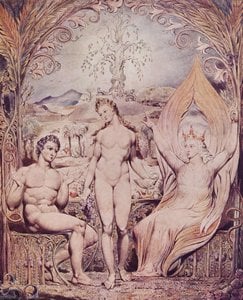
Blake’o meninė inovacija nebuvo tik apie temas; ji glūdo fundamentaliai *kaip* jis kūrė. Nesumontindamas tradicinių graviūrų metodų, jis sukūrė unikalų procesą, vadinamą „apšviestu spaudimu“. Tai apėmė tekstų ir iliustracijų graviravimą ant vario plokštelių, o tada rankiniu būdu dažymo gautų atspaudų – įtemptas, bet labai asmeninis požiūris, kuris leido visiškai kontroliuoti meninę kūrimo galią. Tai nebuvo tik iliustracijos, lydinčios poeziją; tai buvo integruota meno forma, kurioje vaizdas ir eilėraštis buvo neatsiejamai susiję, vienas kitą papildydamas. Jo reljefinės graviūrų technika, gimusi iš regėjimo patirties po brolio mirties, dar labiau atskyrė jo darbą, suteikdama jai išskirtinį tekstūrinį kokybę ir leidžiant daugiau meninio laisvės nei tradiciniai metodai. Be spaudos, Blake’as taip pat dirbo su vandens spalvomis ir tempera dažais, dažnai vaizduodamas biblinius motyvus ar fantastinius subjektus, įkvėptus simboliniu svoriu. Jo stiliaus pagrindinis bruožas buvo sąmoningas atmetimas linijinės perspektyvos naudai labiau emocinio, simbolinio atvaizdo – erdvės plokštėjimas, kuris viliojo žiūrovą į jo regėtinio pasaulio širdį.
Inocencijos, Patirties ir Maišto Temos
Blake’o kūrinių pagrinde yra gilių temų tyrinimas: nekaltumo ir patirties dualizmas, proto apribojimai prieš vaizduotės išlaisvinančią galią bei pikto kritika visuomenės normoms. Inocencijos ir Patirties dainos (1794 m.), galbūt jo prieinamiausias darbas, pristato kontrastingą vaikystės viziją – vieną idilišką ir nepriekaištingą, kitą pažymėtą vargais ir pūtimu. Dangaus ir Pragaro Santuoka (1793 m.) yra provokuojantis prozos eilėraštis, kuris iššaukia įprastinę moralę, švenčiantį energiją, norus ir maištą prieš apribojančias doktrinas. Jo iliustracijos Dante’s Dieviškajai Komedijai rodo jo dramatišką viziją ir gebėjimą versti sudėtingas pasakojimus į galingą vaizdinį vaizdą. Blake’o simbolizmas yra labai asmeninis, tačiau visuotinai atgarsintis. Tigras, jo garsiajame eilėraštyje, įkūnija tiek stebinimo vertos grožio, tiek bauginančios kūrimo galios. Jeruzalė, didžiulis epinis poezijos darbas, kuris užvaldė jį daugelį metų, atspindi jo dvasines ir politines įtikėjimus – atnaujintos Albion (senasis Didžiosios Britanijos pavadinimas) viziją, esant laisvą nuo priespaudos. Jis nevaizdavo istorijų; jis statė visą mitologiją, apibūdinamą archetipiniais veikėjais, atstovaujančiais protui būsenoms, gamtos jėgoms ir amžiname gėrio ir blogio mūšiu.
Paveldas Atnaujintas: Blake’o Nuolatinis Įtaka
Per savo gyvenimą William Blake liko didžiąją dalį atstumtas, nesuprastas daugelio savo to laikų bendražygių. Jo darbai dažnai buvo atmesti kaip keisti arba net pamišę. Jis visą gyvenimą kovoja su finansiniais sunkumais, remdamasis užsakymis ir nedidelės globėjų grupės parama, tokio kaip Thomas Butts. Tačiau praėjus dešimtmečiams po jo mirties 1827 m. rugpjūčio 12 d., Blake’o reputacija pradėjo augti stabiliai. Prerafaelitai, sužavėti jo regėtiniu stiliumi ir simboline vaizdija, jį priėmė kaip giminaitį. Vėlesni judesiai – Simbolizmas ir Modernizmas – rado atgarsį jo vaizduotės, subjektyvaus patyrimo ir dvasinių temų pabrėžime. Šiandien William Blake pripaštas kaip kertinis Romantizmo judėjimo veikėjas, menininkas, kurio darbai ir toliau įkvepia poetus, dailininkus ir mąstytojus per disciplinas. Jo sudėtingų filosofinių ir religinių idėjų tyrinimas mene išlieka giliai aktualus, paragindamas mus suabejoti įprastomis nuomonėmis ir priimti individualios vizijos galią. Blake’o palikimas yra ne tik apie jo meninius pasiekimus; tai apie jo nepajudinamą atsidavimą kūrybės laisvei – liudijimu dėl vaizduotės amžinojo jėgos pasaulyje, kuriame dažnai dominuoja protas ir apribojimai.



 Peržiūrėti realaus dydžio版
 Perjungti į spausdinimą
 Siųsti
 Dalintis
 Išsamiau
 Gidas
Gidas

 Atsisiųsti
 Panašūs eksponatai
 Rentgeno spindulių nuotrauka
 Diaporama
 Statistika


 Rodyti daugiau






































 Stiklo variantas prieinamas tik pasirinkus dydį iki 110 cm