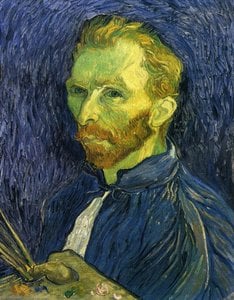
Vincentas van Gogas: Ugnies ir Šviesos Simfonija
Vincentas Wilhelmas van Gogas – vardas, tapęs sinonimu ryškioms spalvoms ir žaismingai emocijai. Jo gyvenimas, nuo sumišusio jaunuolio ieškančio savo vietos iki meniškai vizionieriaus, yra gili istorija apie atsidavimą, kovą ir galutinį palikimą. Nors per savo gyvybę pasiekė nedidelį komercinį pripažinimą – pardavęs tik vieną paveikalą, *Raudonąją vynuogyną*, prieš mirtį – Van Gogo įtaka moderniam menui yra neįtikėtinai didelė. Jis atidarė kelią ekspresionizmui ir įkvėpė daugybę menininkų, kurie sekė jo pėdomis. Jo istorija nėra tik apie teptukus ir drobę; tai liudijimas žmogaus išraiškos galiai susiduriant su sunkumais.
Van Gogo ankstyvieji metai buvo pažymėti neįvykusiais siekiais. Jis bandė save įvairiuose darbuose – meno prekiautojas, mokytojas ir netgi misionierius – prieš galiausiai pasišventęs tapybai gana vėlyvoje amžiuje, būdamas 27 metų. Šie ankstyvieji patyrimai giliai paveikė jo pasaikožią ir atsispindėjo jo mene. Ankstyvieji darbai, vaizduojantys valstiečių gyvenimą Belgijos kaimuose, atspindi gilų susižinojimo su darbo žmonėmis ir niūrų paletę, atspindintį jų vargus. Įkvėptas tokių menininkų kaip Žanas Fransua Milė, Van Gogas siekė užfiksuoti šių asmenų orumą ir atsigręžimą per griežtą realizmą. Tačiau jo persikraustymas į Paryžių 1886 metais pasirodė esantis transformuojantis. Ten jis susipažino su impresionizmu ir postimpresionizmu, įsisavindamas meistrų, tokių kaip Monė, Renoras ir Pisaro, techniką. Šis patyrimas išplėtė jo meninius horizontus, paskatino eksperimentuoti su ryškesnėmis spalvomis ir laisvesniu teptukų darbu, nors ir išlaikant aiškų emocinį intensyvumą, kurio nepastebima daugelyje jo to laikmečio kolegų darbų. Jo brolis Teo, meno prekiautojas, atliko svarbų vaidmenį šiuo periodu, suteikdamas finansinę paramą ir veikdamas kaip gyvybės ryšys su Paryžiaus meno pasauliu. Jų platus korespondencijos siūlo neįkainojamus įžvalgų apie Van Gogo meninį vystymąsi ir asmenines kovas.
Provanso Šviesa ir Spėjimo Kreatyvumas
Ieškodamas ryškesnės gamtos ir atsinaujinimo pojūčio, Van Gogas 1888 metais persikėlė į Arlį pietų Prancūzijoje. Tai pažymėjo intensyvaus kūrybos periodo pradžią, pasižyminčią spalvų sprogu ir išskirtine impasto technika – dažais tirštai uždedant ant drobės, sukuriant tekstūruotą paviršių, kuris atrodo pulsuojantis energija. Būtent čia jis sukūrė kai kuriuos savo žinomiausius darbus: *Saulėgėlės*, *Naktinis kavinukas* ir *Žvaigždynas*. Provanso intensyvi šviesa atrodė įžiebianti jo vaizduotę, paskatindamas vaizduoti kraštovaizdžius ir natūrmortus beprecedenčiu ryškumu. Jo noras meninės kolaboracijos vedė jį pakviesti Paulį Gauginą prisijungti prie jo Arlyje, vilties nustatyti utopinį menininkų koloniją. Tačiau jų santykiai pasirodė nestabilūs, baigiantis dramatišku susidūrimu, dėl kurio Van Gogas sužalojo savo ausį. Šis įvykis pabrėžė jo psichikos būsenos trapumą ir pažymėjo institucionalizacijos ir didėjančio psichologinio vargo periodo pradžią.
Vėlesni Metai ir Nuolatinis Palikimas
Po sutrikimo Van Gogas savanoriškai įstojo į prieglaudą Sent Remi, kur jis toliau tapė gausiai, vaizduodamas aplinkos kraštovaizdžius su grobiu ir sumaidymu. Tokie darbai kaip *Žvaigždynas*, sukurtas tuo metu, yra įkvėpti kosminio stebėjimo jausmu ir giliu emociniu gilumu. Vėliau jis persikėlė į Ovrą prie Senos gydytojo Poliaus Gacheto rūpimais, tačiau jo kovos tęsiasi. Liepos 29 dieną, 1890 metais, Van Gogas mirė būdamas 37 metų amžiaus dėl savadarbo šūvio žaizdos. Nors per savo gyvybę pasiekė nedidelį pripažinimą, jo darbai po mirties pradėjo gauti vis didesnę pagarbą daugiausia dėka jo sesers-in-law Johanos van Gog-Bonger pastangų, kuri paveldėjo jo turto ir skyrė save reklamuojant jo meną. Šiandien Van Gogo paveikslai yra šveniami visame pasaulyje dėl savo emocinio intensyvumo, novatoriškų technikų ir nuolatinio grožio. Jo palikimas tęsiasi toli už drobės; jis tapo meno aistros, atkaklumo susiduriant su nesėkmėmis ir meno galios simboliu išreikšti giliausias žmogaus emocijas.
Pagrindiniai Įtakos ir Meninis Vystymasis
- Ankstyvasis realizmas: Žano Fransua Milė vaizdavimas valstiečių gyvenimo įtakojo Van Gogo ankstyvuosius darbus.
- Impresionizmas ir postimpresionizmas: Paryžiuje susipažinimas su Monė, Renoru, Pisaru ir kitais išplėtė jo paletę ir techniką.
- Japonų spauda: Van Gogas buvo giliai paveiktas japonų medžio raižinių, kuriuos jis entuziastingai rinko. Jų drąsios kompozicijos ir plokštumos spalvų įtakoja jo stilių.
- Emocinis išreiškimas: Visų pirma Van Gogas siekė perteikti emocijas per savo meną, prioritetą suteikdamas subjektyviai patirčiai prieš objektyvią reprezentaciją. Šis dėmesys emociniam intensyvumui tapo jo darbo atpažinimo ženklu ir pavedė kelią ekspresionizmui.



 Peržiūrėti realybėje
 Perejti prie spausdinimo
 Pasidalinti
 Dalintis
 Išsamiau

 Atsisiųsti
 Panašūs eksponatai
 Rentgeno nuotrauka
 Automatinė diorama
 Statistika

 Skaityti daugiau






































 Stiklo variantas prieinamas tik pasirinkus dydį iki 110 cm