


 AcrylicWallArtFuturist Movement
 1915
1915 52.0 x 82.0 cm
Rankiniu būdu tapytas aliejus ant droblio jūsų pageidaujamame dydį ir rėmuose – mūsų menininkų darbas pagal užsakymą. ( Pirkti spaudinį Pirkti vaizdą)





























Pasirinkite iš mūsų nustatytų dydžių, atitinkančių originalaus meno kūrinio proporcijas.

Galite įvesti savo matmenis, kad jie atitiktų konkretų rėmą ar erdvę. Jei pasirinktas dydis neatitinka originalaus paveikslėlio proporcijų, mes arba apkropsime meno kūrinį, arba papildysime tapybą rankomis dažytい elementais. Prieš pradėdami gamybą, jūsų patvirtinimui atsiųsime skaitmeninį maketą.
Atkreipkite dėmesį, kad ekrane rodomas vaizdas neatspindi tikrojo apkarpymo ar papildymo. Tik maketas tiksliai parodys galutinę kompoziciją.
Nors galima rinktis ir individualius dydžius, rekomenduojame pasirinkti matmenis iš nustatytos sąrašo, kad būtų išlaikytos originalios proporcijos.
Pristatymas visame pasaulyje () per 3–4 savaites, o ne įprastai – per 5 savaites. (6 rugsėjis). Kokybė lieka nepakeičiama.


Simultaneous Nude
Reprodukcijos matmenys
“Simultaneous Nude,” created in 1915 by Umberto Boccioni during the fervent embrace of Futurism, isn’t merely a depiction of the human form; it's an audacious declaration of artistic rebellion against convention. This sketch and study—measuring 52 x 82 cm—captures a figure lying prone on the ground, facing away from the viewer, bathed in a muted palette dominated by earthy tones interwoven with hints of green, red, and beige. More than just observation, it’s an attempt to distill the very essence of dynamism into visual form.
Umberto Boccioni's involvement in Futurism stemmed from a profound conviction that art should mirror the transformative energy of the industrial age. Influenced by Filippo Tommaso Marinetti’s manifesto—a rallying cry for rejecting academic tradition—Boccioni sought to dismantle preconceived notions about sculpture and painting, prioritizing speed, movement, and fragmentation as artistic principles. This ethos is palpably present in “Simultaneous Nude,” where overlapping outlines and shifting planes convey a sense of multiple simultaneous movements, mirroring the Futurist fascination with technological advancement.
Boccioni’s masterful technique—characterized by gestural brushstrokes—further amplifies this impression of kinetic energy. The artist deliberately eschewed meticulous detail, opting instead for expressive marks that capture the fleeting nature of existence. This approach aligns perfectly with Futurism's rejection of illusionistic representation; rather than striving to reproduce reality faithfully, Boccioni aimed to convey its underlying dynamism through abstraction. The composition itself is carefully considered—the extended arm and resting hand contribute to a complex interplay of lines and planes that draws the eye inward.
While seemingly simple in appearance, “Simultaneous Nude” carries significant symbolic weight. It represents more than just a nude figure; it embodies the Futurist ideal of overcoming inertia and embracing change. The posture itself—relaxed yet vulnerable—suggests contemplation amidst constant motion, prompting viewers to consider the relationship between stillness and dynamism within human experience. Furthermore, the muted color scheme reinforces this contemplative mood, creating an atmosphere that invites introspection.
"Simultaneous Nude" transcends mere visual aesthetics; it encapsulates the spirit of a pivotal moment in artistic history—the birth of Futurism and its audacious challenge to established norms. It speaks to a desire for innovation, a rejection of sentimentality, and an unwavering belief in progress. This artwork continues to resonate with audiences today because it successfully conveys the transformative energy of modernity, reminding us that art can serve as a powerful conduit for expressing profound ideas about human existence.


1882 - 1916 , Italija

Explore the artistic journey of Carlo Carrà, a pivotal figure in Italian Futurism & Metaphysical painting. Discover his dynamic compositions, collaborations with de Chirico, and lasting influence on modern art history.

Explore the profound artistic significance of sketches throughout history. From Renaissance masters to modern innovators like Van Gogh & Guston, discover how these foundational works reveal technique, emotion, and vision. Learn more at WahooArt.
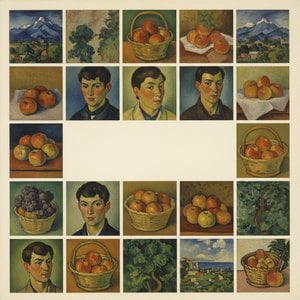
Atraskite 25 Paul Cézanno šedevrus! Išsami analizė, istorijos ir įkvėpimas interjero dekorui. Modernus menas, impresionizmas, natiurmortai – viskas WahooArt.com. Explore the full collection online!

Explore the captivating history of nude art! Discover iconic paintings & artists from classical to modern eras. Uncover symbolism, techniques & find museum-quality reproductions at WahooArt.

Explore the profound works of Mario Sironi, a key figure in Italian Modernism. Discover his evolution from Futurism to Metaphysical painting and his powerful social commentary. Learn about his legacy at WahooArt.

 Peržiūrėti realybėje
 Pasidalinti
 Dalintis
 Išsamiau

 Atsisiųsti
 Panašūs eksponatai
 Rentgeno nuotrauka
 Automatinė diorama
 Skaityti daugiau







 Stiklo variantas prieinamas tik pasirinkus dydį iki 110 cm


