Autoriaus biografija
Ticianas Ramsajaus Peale II: Atgimimo Echos Naujame Pasaulyje
Ticianas Ramsajaus Peale II užima įdomią, dažnai pamirštamą vietą XIX amžiaus amerikiečių meno landšafte. Gimė Filadelfijoje 1799 metais, jis buvo panardintas meninės palikimybės – jauniausias Čarlo Vilsono Peale sūnus, reikšmingas ankstyvojo amerikiečių portretų dailininko ir pirmosios šalies muziejaus įkūrėjo. Nors jo tėvo paveldas buvo didelis, Ticianas sukūrė savo kelią, giliai įsišaknijusią Aukštojo Renesanso estetinėse idealuose, ypač iš Venecijos sklindančiuose. Jis ne tik kopijavo stilius; jis kanalizavo gilų meninį pojūtį, į jo drobeles įdėdamas atidžius detalumus ir ryškų spalvų paletę, kurie skyrė jį nuo daugelio savo amžininkų. Jo gyvenimas susidarė prieš besivystančios amerikiečių tapatybės fone, tačiau jo meninis širdis visada buvo prisirišęs prie klasikos meistrų, sukuriantį įtampą tarp Senojo Pasaulio garbinimo ir Naujo Pasaulio išraiškos.
Natura Listo Užrašu ir Dailininko Drobe
Peale ankstyvieji metai buvo pažymėti dvigubu susidomėjimu menu ir gamtos istorija – derinys, skatintas jo tėvo daugybės užsiėmimų. Jis lydėjo ekspedicijas, ypač Stiveno Harimano Longo kelionę į Rokio kalnus 1819–20 metais, dokumentuodamas florą ir fauną vis labiau tobulėjant meniniam žvilgsniui. Šis laikotarpis nebuvo tik stebėjimų registravimu; tai buvo apie *supratimą* formos, šviesos ir tekstūros – įgūdžių, kurie pasirodys nepaprastai svarbūs, kai jis visas dėmesys bus atkreiptas į tapybą. Jo gamtos istoriko darbas informavo jo meną, suteikdamas mokslinį tikslumą jo natūralaus pasaulio vaizdams, bet taip pat juos įliejant emocinį garsumą, pranokstantį tiesioginį dokumentavimą. Jis ne tik rodė mums, kaip daiktai atrodo; jis atskleidė jų vidinę grožę ir dvasinę reikšmę. Šis atsisakymas abiejoms disciplinomis yra akivaizdus tokiuose darbuose kaip „Mokesčių mokėjimas“, dramatiškas vaizdavimas, kuriame pasižymi meistriška šviesa ir šešėliu.
Venecijos Įtaka ir Šventos Vizijos
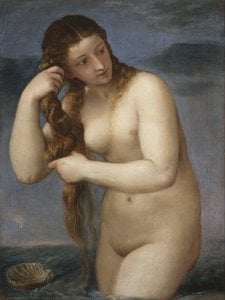
Venecijos kolorizmo – pabrėžiant turtingas, žygiuojančias spalvas ir atmosferinius efektus, kuriuos propaguoja tokie dailininkai kaip Ticianas (iš kurio jis paėmė savo pirmąjį vardą) – įtaka yra neatsiejama nuo Peale kūrinių. Jis ne tik kopijavo šiuos meistrus; jis internalizavo jų principus ir pritaikė juos savo meninei vizijai. Tai ypač akivaizdu jo religiniuose darbuose, tokiuose kaip „Altoriaus Šventųjų Šventyklėlė“ ir „Pats Dievo Garbinimas“. Šie paveikslai nėra tik biblinių scenų vaizdavimai; tai imersiniai patyrimai, kviečiantys žiūrovą į dvasinę kontempliaciją per kruopščiai suderintas kompozicijas ir spalvų naudojimą, kad sukeltų emocijas. Dėmesingumas detalėms šiuose darbuose rodo ne tik jo techninį meistriškumą, bet ir gilią pagarbą savo temai. „Grožis“ toliau demonstruoja jo gebėjimą užfiksuoti žmogaus formą ir charakterį su elegancija ir rafinavimu.
Peratrūkimai ir Nuolatinė Reikšmė
Daugelio XX amžiaus metų Ticianas Ramsajaus Peale II liko didžiuliu masteliu nepastebėtas meno istorijos pasakojimų kampelyje. Jo darbai netilpo į esamus tendencijas, o jo atsisakymas klasika atrodė anachronistinis greitai besikeičiančiame meniniame kraštovaizdyje. Tačiau pastaraisiais metais vis didesnis dėmesys skiriamas jo indėliui. Tyrėjai ir kolekcionieriai pripažįsta unikalų amerikietiškos nuotaikos ir Europos tradicijų derinį, kuris apibūdina jo paveikslus. Jo darbo atradimas yra ne tik spragų užpildymas meno istorijoje; tai yra apie gilesnės kultūrinio poveikio supratimą, kuris formavo XIX amžiaus Ameriką. Peale atstovauja tiltui tarp pasaulių, liudijimui apie klasikos idealų nuolatinę galią ir priminimui, kad meninė inovacija dažnai kyla iš netikėtų įtakų kombinacijų. Jo paveikslai, dabar randami tokiose kolekcijose kaip WahooArt, Uffizi galerijoje ir Palazzo Pitti, siūlo įtikinamą žvilgsnį į pamirštamą amerikiečių meno istorijos kampelį – kampelį apšviestą Renesanso spindesio.



 Peržiūrėti realaus dydžio版
 Perjungti į spausdinimą
 Siųsti
 Dalintis
 Išsamiau
 Gidas
Gidas

 Atsisiųsti
 Panašūs eksponatai
 Rentgeno spindulių nuotrauka
 Diaporama
 Statistika


 Rodyti daugiau






































 Stiklo variantas prieinamas tik pasirinkus dydį iki 110 cm