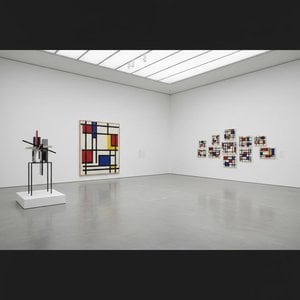
Architekto Abstraktumo: Gyvenimas Geometriniame Harmonijoje
Theo van Doesburg, tikruoju vardu Christian Emil Marie Küpper, gimęs 1883 metais Utrechte (Nyderlandai), buvo daugiau nei tapytojas; jis buvo revoliucinė jėga, performavusi šiuolaikinio meno pagrindus. Jo kelionė prasidėjo besiremdama Impresionizmo ir Postimpresionizmo atgarsiais, iš pradžių veidrodžiodamas stilius, primenančius Vincentą van Gogh – tiek temomis, tiek emociniu intensyvumu. Tačiau šis ankstyvas etapas buvo esminis prologas, būtinas žingsnis į radikalią transformaciją, kuri apibrėš jo ilgalaikį palikimą. Lemingas momentas įvyko 1913 metais, susipažinus su Vasilijaus Kandinskio *Rückblicke*. Šis tekstas paskatino van Doesburg suprasti: tikras meninis išreiškimas slypi ne išorinio pasaulio atkartojime, o vidinės dvasios realybės kanale per gryną abstrakciją. Būtent ši įtaka pagimdė Neoplasticizmą, dažniau žinomą kaip De Stijl – judėjimą, kurį jis įkūrė ir energingai gynė, tapdamas jo karščiausiu šalininku.
Naujos Vizualinės Kalbos Kūrimas: De Stijl Principai
De Stijl nebuvo tik meno stilius; tai buvo išsami filosofinė deklaracija, perkelta į vizualinę formą. Van Doesburg tikėjo, kad meną reikia supaprastinti iki esminiaus elementų – tiesių linijų, stačių kampų ir pirminių spalvų: raudonos, geltonos ir mėlynos, taip pat juodos, baltos ir pilkos. Ši griežta paletė gimė ne iš apribojimų, o iš universalumo troškimo – įsitikinimo, kad šios pagrindinės formos rezonuoja su esminiu kosmoso tvirtumu. Jis vizualizavo *totalų* meno kūrinį, išeinantį už drobės ribų ir apimantį architektūrą, dizainą ir net kasdienius objektus. Bendradarbiavimas buvo raktas; van Doesburg glaudžiai dirbo su architektais, tokiais kaip J.J.P. Oud ir Gerrit Rietveld, kurdamas vitražus, baldus ir visus interjerus, įkūnijančius De Stijl principus. Jo bendradarbiavimas apėmė kolegas menininkus, tokius kaip Piet Mondrian, su kuriuo jis įkūrė įtakingą žurnalą *De Stijl*, platformą savo idėjoms skleisti ir pritraukti panašiamąstius kūrėjus. Tačiau nepaisant bendros pradžios, tarp van Doesburgo ir Mondriano kilo įtampa dėl Neoplasticizmo griežtumo. 1926 metais van Doesburg pristatė “Elementarizmą”, skatinantį įstrižas linijas ir dinamiškesnes kompozicijas – nukrypimą, kuris galiausiai lėmė skilimą judėjime, atskleidžiant jo neramų dvasią ir nuolatinį meninės evoliucijos siekį.
Už Tapybos Ribų: Daugiašalis Meno Vizija
Nors garsėjo kaip tapytojas, van Doesburgo meno pastangos buvo nepaprastai įvairios. Jis buvo produktyvus rašytojas, poetas ir kritikas, naudodamas savo plunksną artikuliuodamas De Stijl teorinius pagrindus ir kvestionuodamas tradicines meno sampratas. Jo dalyvavimas Dadaizme ankstyvaisiais 20-aisiais dar labiau praplėtė jo meninius horizontus, lėmė eksperimentinius kūrinius, į kuriuos buvo įtrauktas koliažas ir tipografija. Šiuo laikotarpiu jis taip pat dėstė Bauhauso mokykloje, kur dalijosi savo idėjomis su nauja kartos menininkų ir dizainerių karta. Jam neužteko likti tradicinių meno formų ribose; van Doesburg aktyviai siekė integruoti meną į kasdienį gyvenimą, tikėdamas, kad jis turi galią transformuoti visuomenę. Jo interjerų ir baldų dizainas nebuvo tik estetiniai pratimai, o bandymai sukurti harmoningas gyvenamąsias erdves, atspindinčias De Stijl principus. Puikus pavyzdys yra jo bendradarbiavimas su Sophie Taeuber-Arp ir Georges Vantongerloo projektuojant menininkų rezidencijas, demonstruojančią holistinį požiūrį į kūrybą – bandymą pastatyti pasaulį *pagal* savo idealus.
Palikimas Ir Nuolatinė Įtaka: Modernizmo Pradininkas
Theo van Doesburgo gyvenimą tragiškai nutraukė 1931 metais, jam buvo vos 47 metai, tačiau jo įtaka šiuolaikinio meno istorijai išlieka gili. De Stijl, nors ir gana trumpalaikis kaip darnus judėjimas, padarė didžiulį poveikį vėlesniems meniniams pokyčiams, įskaitant Bauhauso dizainą, Minimalizmą ir Konstruktyvizmą. Jo pabrėžimas geometrine abstrakcija, grynomis spalvomis ir funkcionalizmu tebevilioja menininkus ir dizainerius šiandien. Jo darbai primena, kad menas yra ne tik reprezentacija, bet ir pagrindinių formų bei idėjų tyrinėjimas. Van Doesburgo palikimas apima ne tik jo paveikslus ir dizainą; jis slypi jo tvirtame įsipareigijime meninei inovacijai ir tikėjime abstrakcijos transformacine galia. Jo vizija vieningo, harmoningos pasaulio – išreikšta De Stijl kalba – tebeįkvepia tuos, kurie siekia sukurti gražesnę ir prasmingesnę aplinką.
Pagrindiniai Darbai Ir Nuolatinė Įtaka
- Studija Simultaniškoms Kompozicijoms XXII (1922): Esminis Neoplasticizmo pavyzdys, demonstruojantis judėjimo signatūrines geometrines formas ir ribotą spalvų paletę.
- Kompozicija su pusinėmis vertėmis (1928): Demonstruoja van Doesburgo tyrinėjimus toninių variacijų De Stijl estetikoje.
- Šokėjai (1917-1918): Atstovauja pereinamajam etapui jo darbuose, apjungiantį figūratyvius elementus su besiformuojančiomis abstrakcijos tendencijomis.
- Bendradarbiavimas žurnale *De Stijl*: Svarbi platforma judėjimo idėjoms skleisti ir skatinti dialogą tarp menininkų bei intelektualų.
- Elementarizmas (1926): Van Doesburgo bandymas įnešti dinamiką į Neoplasticizmą, pristatant įstrižas linijas ir sklandesnį kompozicijos požiūrį.
Van Doesburgo įtaka matoma daugybėje šiuolaikinio dizaino aspektų – nuo architektūros ir baldų iki grafikos dizaino ir tipografijos. Jis išlieka esminė figūra meno istorijoje, tikras pradininkas, kuris drįso mesti iššūkį konvencijoms ir įsivaizduoti naują vizualinę kalbą 20-ajam amžiui ir už jo ribų – palikimą, įamžintą tiesiomis linijomis ir pirminėmis spalvomis.



 Peržiūrėti realaus dydžio版
 Perjungti į spausdinamus版作品
 Pasidalinti
 Dalintis
 Išsamiau
 Vadovas

 Atsisiųsti
 Panašūs eksponatai
 Rentgeno spindulių nuotrauka
 Automatinė diorama
 Q&A
Q&A Statistika


 Skaityti daugiau






































 Stiklo variantas prieinamas tik pasirinkus dydį iki 110 cm