


Muziejų lygio „giclée“ arba drobos spausdinimas: greita gamyba ir lankstios apdailos parinktys. ( Pirkti rankomis tapytą paveikslą Pirkti vaizdą)





























Pasirinkite iš mūsų nustatytų dydžių, atitinkančių originalaus meno kūrinio proporcijas.

Galite nurodyti savo matmenis, kad vaizdas atitiktų konkretų rėmą ar erdvę. Jei pasirinktas dydis nesutaps su originalaus paveikslėlio proporcijomis, mes arba apkirpsime kūrinį, arba išplėsime vaizdą naudojant veideliu atspindėtą arba vientisą šoną. Skaitmeninis maketas bus išsiųstas jums patvirtinti prieš pradedant gamybą.
Atkreipkite dėmesį, kad ekrane matomas vaizdinys neatspindi tikrojo apkirpimo ar išplėtimo. Tik maketas tiksliai parodytų galutinę kompoziciją.
Nors galima rinktis ir individualius dydžius, rekomenduojame pasirinkti vieną iš išanksti nustatytų matmenų, kad būtų išlaikytos originalios proporcijos.
Pristatymas visame pasaulyje () per 2 weeks, o ne įprastas 4/5 savaičių laikotarpis. (6 rugsėjis)


The brazen serpent
Reprodukcijos matmenys
Peter Paul Rubens' "The Brazen Serpent" is more than just a painting; it’s an immersive experience of 17th-century drama, faith, and artistic mastery. Created during the height of the Flemish Baroque period, this work pulsates with life – a testament to Rubens’ unparalleled ability to capture both the physical beauty and profound emotional weight of his subjects. The scene unfolds within a richly appointed room, populated by a diverse group of individuals engaged in what appears to be a lively gathering, underscored by the enigmatic presence of a coiled serpent and two watchful birds. It's a tableau that invites contemplation on themes of salvation, healing, and the enduring power of belief.
Rubens’ compositional genius is immediately apparent. The arrangement of figures around the central serpent isn’t merely decorative; it's meticulously structured to guide the viewer’s eye, drawing attention first to the coiled form – a direct reference to the biblical story of Moses and the Israelites in the wilderness. This iconic narrative, where God instructed Moses to create a bronze serpent as a means of healing those afflicted by venomous snake bites, is powerfully rendered here. The scene evokes a sense of urgency and hope, suggesting a moment of divine intervention and miraculous recovery. The inclusion of the two birds adds another layer of symbolic complexity – perhaps representing messengers or guardians, further enriching the narrative’s spiritual dimension.
Beyond its symbolic richness, "The Brazen Serpent" showcases Rubens' extraordinary technical skill. His masterful use of chiaroscuro, the dramatic interplay of light and dark, is particularly striking. Strong contrasts illuminate key figures and elements, creating a palpable sense of volume and depth – almost as if the scene were bathed in an ethereal glow. Rubens’ handling of oil paint is equally remarkable; he employs thick impasto to build texture and luminosity, resulting in a surface that practically vibrates with color and detail. This technique allows for a breathtaking realism, drawing the viewer into the heart of the composition and imbuing it with a profound sense of intimacy.
“The Brazen Serpent” is not simply a religious painting; it’s a window into the cultural and artistic landscape of 17th-century Europe. Rubens, as a leading figure in the Flemish Baroque movement, was deeply influenced by classical antiquity and humanist ideals. His work reflects this influence through its dynamic compositions, rich colors, and emphasis on human emotion. This painting stands as a prime example of his ability to synthesize these diverse influences into a uniquely powerful and enduring artistic statement. It’s a piece that continues to resonate with viewers today, offering a glimpse into the soul of a master artist and the profound spiritual beliefs of his time.

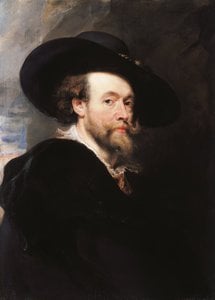
1577 - 1640 , Vokietija

Elevate your collection with the dramatic grandeur of Baroque oil masterpieces. WahooArt offers exquisite, hand-painted reproductions of the Great Masters, featuring authentic chiaroscuro and premium textures. Discover bespoke artistry and expert consultation for elite collectors worldwide.

 Peržiūrėti realybėje
 Pasidalinti
 Dalintis
 Išsamiau

 Atsisiųsti
 Panašūs eksponatai
 Rentgeno nuotrauka
 Automatinė diorama

 Skaityti daugiau







 Stiklo variantas prieinamas tik pasirinkus dydį iki 110 cm


