


Rankiniu būdu tapytas aliejus ant droblio jūsų pageidaujamame dydį ir rėmuose – mūsų menininkų darbas pagal užsakymą. ( Pirkti spaudinį Pirkti vaizdą)





























Pasirinkite iš mūsų nustatytų dydžių, atitinkančių originalaus meno kūrinio proporcijas.

Galite įvesti savo matmenis, kad jie atitiktų konkretų rėmą ar erdvę. Jei pasirinktas dydis neatitinka originalaus paveikslėlio proporcijų, mes arba apkropsime meno kūrinį, arba papildysime tapybą rankomis dažytい elementais. Prieš pradėdami gamybą, jūsų patvirtinimui atsiųsime skaitmeninį maketą.
Atkreipkite dėmesį, kad ekrane rodomas vaizdas neatspindi tikrojo apkarpymo ar papildymo. Tik maketas tiksliai parodys galutinę kompoziciją.
Nors galima rinktis ir individualius dydžius, rekomenduojame pasirinkti matmenis iš nustatytos sąrašo, kad būtų išlaikytos originalios proporcijos.
Pristatymas visame pasaulyje () per 3–4 savaites, o ne įprastai – per 5 savaites. (7 rugsėjis). Kokybė lieka nepakeičiama.


Holy Trinity
Reprodukcijos matmenys
The "Holy Trinity" painting, created by the renowned Flemish artist Peter Paul Rubens, is a testament to his skill in capturing the essence of religious devotion. This artwork depicts Jesus lying on a bed, surrounded by his mother Mary and John the Baptist. Two angels are positioned on either side of Jesus, adding a sense of serenity to the scene. In the background, another figure is visible, possibly an attendant or someone who witnessed this moment. The composition emphasizes the tender connection between these religious figures, highlighting their love and care for one another.
Rubens' use of oil on canvas creates a rich, vibrant atmosphere in the painting. His mastery of chiaroscuro is evident in the way light and shadow are used to draw attention to the central figures. The soft, gentle expressions on their faces evoke a sense of peace and tranquility. The technique employed is oil painting on canvas, evident in the rich textures and luminous colors. His pigments were ground in linseed oil, applied to a prepared canvas.
The "Holy Trinity" is part of a larger collection of artworks housed in the Museum Redentore in Venice, Italy. This museum is known for its impressive array of Italian art from various periods and styles. The painting reflects the Baroque period's emphasis on drama, emotion, and realism.
The scene conveys themes of grief, sacrifice, and divine compassion. Symbolically, it represents humanity’s need for redemption and the profound sorrow associated with Christ's death. The pyramidal structure of the composition creates stability and draws the viewer's eye to the central figures. The use of light and shadow enhances the emotional impact, creating a sense of intimacy and reverence.

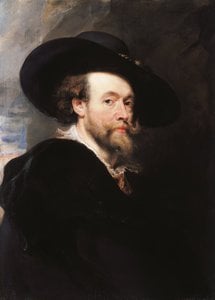
1577 - 1640 , Vokietija

Explore the dramatic brilliance of the Flemish Baroque movement. Discover how masters like Peter Paul Rubens utilized chiaroscuro and dynamic composition to redefine art history through light, shadow, and unparalleled emotion.

Explore the breathtaking drama of the Baroque era. From the mastery of chiaroscuro to epic mythological narratives, discover a definitive guide to art's most powerful period of light, shadow, and emotion for the true classical art enthusiast.

 Peržiūrėti realybėje
 Pasidalinti
 Dalintis
 Išsamiau

 Atsisiųsti
 Panašūs eksponatai
 Rentgeno nuotrauka
 Automatinė diorama

 Skaityti daugiau







 Stiklo variantas prieinamas tik pasirinkus dydį iki 110 cm


