


 Akrilas ant drobėsSieninis menasBaroque
 1617Renesansas
 425.0 x 295.0 cm
Muziejų lygio „giclée“ arba drobos spausdinimas: greita gamyba ir lankstios apdailos parinktys. ( Pirkti rankomis tapytą paveikslą Pirkti vaizdą)





























Pasirinkite iš mūsų nustatytų dydžių, atitinkančių originalaus meno kūrinio proporcijas.

Galite nurodyti savo matmenis, kad vaizdas atitiktų konkretų rėmą ar erdvę. Jei pasirinktas dydis nesutaps su originalaus paveikslėlio proporcijomis, mes arba apkirpsime kūrinį, arba išplėsime vaizdą naudojant veideliu atspindėtą arba vientisą šoną. Skaitmeninis maketas bus išsiųstas jums patvirtinti prieš pradedant gamybą.
Atkreipkite dėmesį, kad ekrane matomas vaizdinys neatspindi tikrojo apkirpimo ar išplėtimo. Tik maketas tiksliai parodytų galutinę kompoziciją.
Nors galima rinktis ir individualius dydžius, rekomenduojame pasirinkti vieną iš išanksti nustatytų matmenų, kad būtų išlaikytos originalios proporcijos.
Pristatymas visame pasaulyje () per 2 weeks, o ne įprastas 4/5 savaičių laikotarpis. (7 rugsėjis)


Descent from the Cross
Reprodukcijos matmenys
Peter Paul Rubens’ Descent from the Cross stands as a monumental achievement in Baroque art—a testament to Rubens’ unparalleled mastery of composition, emotion, and artistic innovation. Painted in 1617 for the altar of Our Lady Cathedral in Antwerp, Belgium, this colossal oil on canvas (425 x 295 cm) transcends mere depiction; it embodies the spiritual fervor and dramatic grandeur characteristic of its era.
The painting captures the pivotal moment following Jesus’ crucifixion—his removal from the cross by Joseph of Arimathea and Nicodemus. Rubens meticulously portrays this scene with breathtaking realism, populated by figures reacting to Christ's descent with palpable sorrow and devotion. The central figure dominates the composition: Jesus himself, slumped gracefully yet powerfully onto a draped cloth, embodying both vulnerability and divine majesty.
Rubens’ genius lies in his masterful orchestration of visual elements—a dynamic diagonal thrust that guides the viewer's eye upward toward Christ. The intricate layering of figures creates a sense of depth and movement, mirroring the emotional turbulence of the event. Notably, Rubens employs *chiaroscuro*, dramatic contrasts between light and shadow, to heighten the emotional intensity and illuminate key areas of interest—drawing attention to Jesus’ body and emphasizing the expressions of grief on the faces of Mary Magdalene and the Virgin Mary.
Rubens was a pivotal figure in Flemish Baroque art, inheriting the legacy of Mannerism while embracing the expressive dynamism championed by Caravaggio. He skillfully blended classical ideals—particularly sculptural form—with Christian iconography, reflecting the humanist spirit of his time. The painting’s monumental scale and vibrant color palette exemplify Rubens' distinctive style—a bold departure from academic conventions that cemented his reputation as one of Europe’s foremost artists.
Today, Rubens House Museum in Antwerp offers visitors a captivating glimpse into Rubens’ life and artistic process—allowing them to appreciate the painting within its broader historical context. Alongside Peter Paul Rubens at WahooArt, this masterpiece continues to inspire awe and contemplation, serving as an enduring symbol of faith and artistic excellence.

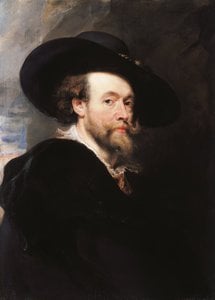
1577 - 1640 , Vokietija

Elevate your collection with the dramatic grandeur of Baroque oil masterpieces. WahooArt offers exquisite, hand-painted reproductions of the Great Masters, featuring authentic chiaroscuro and premium textures. Discover bespoke artistry and expert consultation for elite collectors worldwide.

 Peržiūrėti realybėje
 Pasidalinti
 Dalintis
 Išsamiau

 Atsisiųsti
 Panašūs eksponatai
 Rentgeno nuotrauka
 Automatinė diorama
 Skaityti daugiau







 Stiklo variantas prieinamas tik pasirinkus dydį iki 110 cm


