Įsigykite aukštos skiriamosios raiškos, patobulintą skaitmeninį vaizdą, gerokai pranašesnį už internetinę peržiūrą.
Kiekvieną failą mūsų specialistai kruopščiai paruošia naudojant pažangias technologijas ir profesionalų rankinį retušavimą. Užtikriname, kad kiekvienas vaizdas pasižymėtų išskirtiniu aiškumu, tikslia spalvų atspalviu ir smulkiomis detalėmis.
Baigiamas failas el. paštu pristatomas per 72 valandas; jis optimizuotas nedelsiant naudojimui profesionalioje, redakcinėje ir spausdinimo aplinkoje. Tai ta pati kokybė, kuria pasitiki aukščiausios klasės dizaino studijos, leidyklos ir galerijos.
Atsisiųskite didelės raiškos failą asmeniniam naudojimui, spausdinimui ir kūrybiniams projektams. ( Pirkti spaudinį Pirkti rankomis tapytą paveikslą)
Pasirinkę WahooArt.com, jūs ne tik gaunate paveikslėlį – jūs gaunate profesionaliai patobudintą skaitmeninį kūrinį, sukurtą itin tikniai ir užtikrinantį pasitenkinimą. Štai viską, kas automatiškai pritékia jūsų užsakymui:

Jūsų aukštos raiškos skaitmeninis vaizdo failas bus išsiųstas jums el. paštu per 72 valaudas nuo užsakymo – paruoštas naudojimui be jokių papildomų veiksmų.

Jūsų meno kūrinys profesionaliai optimizuojamas naudojant pažangius dirbtinio intelekto įrankius ir rankinį redagavimą, užtikrinant maksimalią detalę, aiškumą ir spalvų tikslumą.

Atsitiktinai ištrytikote ar praradote savo failą? Nebijokite – bet kuriuo metu atsiųsime jį jums vėl nemokamai.

Mėgaukitės savo meno kūriniu akimirka – skaitiniai failai visada yra neapmokestinami, todėl nereikės mokėti muitinės, mokesčių ar pristatymo mokesčių.

Naudodami profesionalią įrangą ir spalvų valdymo sistemas, užtikriname, kad jūsų skaitmeninis vaizdas kuo tiksliau atspindėtų originalias spalvas.

Jei nebuvate patenkinti savo skaitinio vaizdo, per 100 dienų jį pertaisysime arba grąkinsime 100% sumą – be jokių klausimų.

Nepat 만족inti? Gaukite visą sumokėtą sumą per 100 dienų nuo skaitmeninio failo gavimo – be jokių papildomų klausimų.

Pirkti 3 nuotraukas – pasiūla 10% - Pirkti 5 – pasiūla 15% - Pirkti 10 ir daugiau – pasiūla 20%. Puikiai tinka kūrybiniams projektams, galerijoms bei agentūroms.
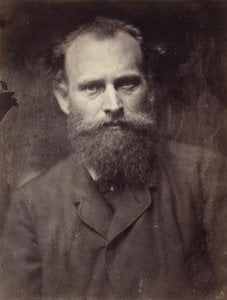
John Thomson’s “Cast Iron Billy,” created in 1877-78, isn't merely a photograph; it’s a meticulously crafted window into the heart of late Victorian London. This albumen print, now housed within The Art Institute of Chicago’s collection, captures a fleeting moment of everyday life – a horse-drawn carriage and its driver, rendered with remarkable detail and a quiet dignity. Thomson, a physicist renowned for his discovery of the electron, was also an astute observer of society, using photography as a tool to document the realities of urban existence during a period of rapid industrialization and social change. The image possesses a grainy texture characteristic of the woodburytype process, lending it a tangible sense of history and inviting us to contemplate the passage of time.
Thomson’s choice of the woodburytype process is crucial to understanding the photograph's aesthetic. Unlike later photographic techniques, this method involved creating a negative on glass, which was then used to print directly onto paper – a process that resulted in a slightly softer, more textured image than those produced with collodion wet plate photography. The resulting sepia tones are rich and evocative, subtly shifting between browns and grays, mirroring the muted palette of Victorian London. The composition itself is carefully considered; the central placement of the carriage and figures draws the eye immediately, while the receding cobblestone street creates a sense of depth and perspective. Notice the subtle play of light and shadow, highlighting the textures of the horse’s harness, the driver's clothing, and the weathered surface of the carriage – details that speak to Thomson’s keen observational skills.
“Cast Iron Billy” offers a poignant glimpse into the social fabric of Victorian England. The title itself, “Cast Iron Billy,” refers to the type of carriage prevalent at the time – sturdy, reliable vehicles that were essential for transporting goods and people across the city. The driver, dressed in the formal attire of his profession, embodies the industrious spirit of the era. He stands as a symbol of hard work and responsibility, navigating the bustling streets of London. The photograph’s quiet stillness contrasts sharply with the frenetic energy of Victorian urban life, prompting us to consider the rhythms and routines that shaped daily existence for countless individuals. The image also subtly reflects the growing anxieties surrounding industrialization – the reliance on machines like this carriage represented both progress and potential displacement.
More than just a historical document, “Cast Iron Billy” evokes a powerful sense of nostalgia and contemplation. The photograph’s muted tones and slightly faded appearance contribute to its melancholic beauty, suggesting a lost world – a time when life moved at a slower pace and human connection was more immediate. There's an inherent dignity in the scene, a quiet grace that transcends the specific details of the subject matter. It invites us to reflect on our own relationship with history, memory, and the enduring qualities of the human spirit. Reproductions of this remarkable image offer a tangible link to the past, allowing us to experience a moment in Victorian London through the discerning eye of John Thomson.


1856 - 1940 , United Kingdom

 Peržiūrėti realybėje
 Pasidalinti
 Dalintis
 Išsamiau

 Atsisiųsti
 Panašūs eksponatai
 Rentgeno nuotrauka
 Automatinė diorama


 Skaityti daugiau