


 Akrilas ant drobėsSieninis menasPradžioje Renesansas
 1484Renesansas
 185.0 x 180.0 cm
Rankiniu būdu tapytas aliejus ant droblio jūsų pageidaujamame dydį ir rėmuose – mūsų menininkų darbas pagal užsakymą. ( Pirkti spaudinį Pirkti vaizdą)





























Pasirinkite iš mūsų nustatytų dydžių, atitinkančių originalaus meno kūrinio proporcijas.

Galite įvesti savo matmenis, kad jie atitiktų konkretų rėmą ar erdvę. Jei pasirinktas dydis neatitinka originalaus paveikslėlio proporcijų, mes arba apkropsime meno kūrinį, arba papildysime tapybą rankomis dažytい elementais. Prieš pradėdami gamybą, jūsų patvirtinimui atsiųsime skaitmeninį maketą.
Atkreipkite dėmesį, kad ekrane rodomas vaizdas neatspindi tikrojo apkarpymo ar papildymo. Tik maketas tiksliai parodys galutinę kompoziciją.
Nors galima rinktis ir individualius dydžius, rekomenduojame pasirinkti matmenis iš nustatytos sąrašo, kad būtų išlaikytos originalios proporcijos.
Pristatymas visame pasaulyje () per 3–4 savaites, o ne įprastai – per 5 savaites. (6 rugsėjis). Kokybė lieka nepakeičiama.


Šventosios Marijos Užtikrinimas
Reprodukcijos matmenys
Sandro Botticelli’s “The Virgin and Child Enthroned,” painted in 1484, is more than just a religious depiction; it's a captivating embodiment of Renaissance ideals—a harmonious blend of spiritual devotion, classical elegance, and burgeoning humanism. The painting immediately draws the eye to the central figures: the serene Virgin Mary cradling the Christ Child, positioned as beacons of grace within a carefully constructed composition. Botticelli doesn’t merely present a scene; he invites us into an intimate moment of sacred tenderness. The scale of the work—a substantial 185 x 180 cm—lends it a monumental quality, befitting its original purpose as an altarpiece intended to inspire awe and reverence.
Born Alessandro di Mariano di Vanni Filipepi in Florence, Botticelli developed a distinctive style that set him apart from his contemporaries. He masterfully balanced the influence of earlier masters like Fra Angelico and Paolo Uccello with an emerging Renaissance aesthetic. What truly defines Botticelli’s work is its elegant linearity—the flowing contours of drapery, the delicate outlines of figures, and the graceful curves that permeate the composition. This isn't a painting focused on robust realism or dramatic perspective; instead, it prioritizes beauty of line and form. The use of tempera paint contributes to this effect, allowing for precise detail and luminous color. Notice how Botticelli employs subtle shading to model forms without sacrificing the overall clarity and refinement of his figures. The inclusion of vases throughout the scene isn’t merely decorative; they add depth and a sense of spatial complexity, drawing the viewer's eye through the composition.
The painting was likely commissioned for Giovanni de’ Bardi, a prominent member of a wealthy Florentine family with strong ties to the Medici. This context is crucial to understanding the work’s significance. The flanking figures—two men on Mary's left, one seated on her right—are believed to be saints or patrons associated with the Bardi family, interceding on behalf of those who would pray before the altarpiece. The Virgin herself, depicted as a *Madonna Lactans* (nursing Madonna), is a powerful symbol of maternal love and divine nourishment. This imagery resonated deeply within the religious sensibilities of the time, emphasizing Mary’s role not just as the Mother of God but also as a compassionate protector. The serene expressions on all faces contribute to an atmosphere of peaceful contemplation, inviting viewers to connect with the spiritual essence of the scene.
Botticelli's “The Virgin and Child Enthroned” continues to captivate audiences centuries after its creation. Its enduring appeal lies in its ability to transcend religious boundaries and speak to universal themes of motherhood, faith, and beauty. For collectors and interior designers alike, a reproduction of this masterpiece offers an opportunity to bring a touch of Renaissance elegance into any space. The painting’s harmonious color palette—soft blues, rich reds, and delicate golds—complements a variety of décor styles, while its graceful composition adds a sense of serenity and sophistication. More than just a decorative element, it's a window into the artistic genius of Sandro Botticelli and a testament to the enduring power of Renaissance art.


1445 - 1510 , Italija
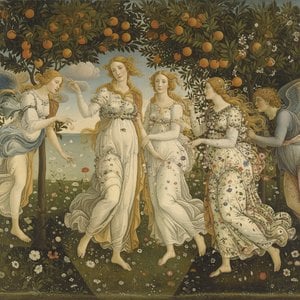
Explore the ethereal beauty of Sandro Botticelli's masterpieces. Delve into the profound symbolism, mythological grace, and technical mastery that define the Italian Renaissance through an expert art-historical lens.

Embark on a profound journey through art history with our exploration of the most iconic depictions of the Virgin Mary. Discover the divine grace, symbolism, and masterful techniques found in Renaissance masterpieces and sacred iconography.

Explore the profound beauty of Marian iconography through an art historian's lens. Discover iconic masterpieces by Raphael and Renaissance masters, celebrating the divine grace and timeless elegance of the Virgin Mary in classical fine art.
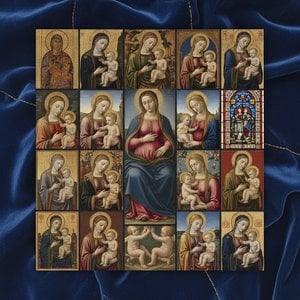
Embark on a sophisticated journey through art history with our curated guide to the most iconic Madonna and Child masterpieces. Discover the profound beauty, theological depth, and enduring legacy of these sacred Renaissance treasures.

 Peržiūrėti realybėje
 Pasidalinti
 Dalintis
 Išsamiau

 Atsisiųsti
 Panašūs eksponatai
 Rentgeno nuotrauka
 Automatinė diorama
 Skaityti daugiau







 Stiklo variantas prieinamas tik pasirinkus dydį iki 110 cm


