


 Tempera On PanelRenaissance Humanism
 Renaissance
 47.0 x 32.0 cm
 Kupferstichkabinett
Muziejų lygio „giclée“ arba drobos spausdinimas: greita gamyba ir lankstios apdailos parinktys. ( Pirkti rankomis tapytą paveikslą Pirkti vaizdą)





























Pasirinkite iš mūsų nustatytų dydžių, atitinkančių originalaus meno kūrinio proporcijas.

Galite nurodyti savo matmenis, kad vaizdas atitiktų konkretų rėmą ar erdvę. Jei pasirinktas dydis nesutaps su originalaus paveikslėlio proporcijomis, mes arba apkirpsime kūrinį, arba išplėsime vaizdą naudojant veideliu atspindėtą arba vientisą šoną. Skaitmeninis maketas bus išsiųstas jums patvirtinti prieš pradedant gamybą.
Atkreipkite dėmesį, kad ekrane matomas vaizdinys neatspindi tikrojo apkirpimo ar išplėtimo. Tik maketas tiksliai parodytų galutinę kompoziciją.
Nors galima rinktis ir individualius dydžius, rekomenduojame pasirinkti vieną iš išanksti nustatytų matmenų, kad būtų išlaikytos originalios proporcijos.
Pristatymas visame pasaulyje () per 2 weeks, o ne įprastas 4/5 savaičių laikotarpis. (7 rugsėjis)


Drawings for Dante´s Divine Comedy
Reprodukcijos matmenys
In the delicate interplay of line and light, Sandro Botticelli’s Drawings for Dante’s Divine Comedy offer far more than a mere illustration of a literary masterpiece; they serve as a profound intellectual and artistic dialogue between poet and painter. Created around 1495-1496 under the prestigious patronage of Lorenzo di Pierfrancesco de’ Medici, these works emerged during the height of Florentine humanism. Botticelli did not simply seek to replicate the narrative beats of Dante's Inferno, Purgatorio, and Paradiso; instead, he wrestled with the monumental challenge of translating complex theological allegory and philosophical contemplation into a visual language. The result is a series of works that capture the very essence of the soul's journey through the afterlife, inviting viewers to wander through landscapes of both profound terror and celestial grace.
The composition of these drawings presents a captivating tapestry of religious and mythological elements. Within the frame, one might encounter angels poised atop rolling hills, their ethereal presence acting as silent sentinaries over the human drama unfolding below. A diverse crowd of figures—some gathered in solemn lines, others scattered in moments of individual struggle—populates the scene, creating a sense of rhythmic movement that guides the eye across the panel. This arrangement creates an intriguing visual experience, where the boundaries between the earthly and the divine become beautifully blurred, making it an ideal centerpiece for those seeking art that provokes deep thought and conversation.
Beyond their narrative purpose, these drawings reveal Botticelli’s unmistakable stylistic signature, characterized by a graceful fluidity and an almost otherworldly luminosity. While many of his contemporaries in Florence were moving toward bolder, more muscular forms, Botticelli maintained a devotion to disegno—the art of precise, expressive drawing. His technique, often utilizing tempera on poplar panels, allows for subtle tonal gradations that lend the figures a soft, breathing quality. The meticulous attention to detail, from the delicate folds of drapery to the emotive, searching expressions on the faces of celestial beings, demonstrates a mastery of form that serves as the foundation for his more famous paintings.
For the discerning collector or interior designer, these works represent a pinnacle of Renaissance elegance. The fine, rhythmic linework provides a sense of structural clarity, while the delicate coloration offers a warmth that can elevate any sophisticated space. Whether placed in a sunlit study or a grand gallery, a high-quality reproduction of these drawings brings with it the intellectual fervor of the Medici era. They are not merely decorations but windows into a period where art and literature were inextricably linked, offering an enduring sense of beauty, mystery, and historical depth that continues to inspire the modern eye.


1445 - 1510 , Italija

Elevate your artistic practice with this expert guide to mastering the line. Discover advanced techniques in graphite, charcoal, and contour drawing designed for art students seeking technical precision and expressive depth in their fine art studies.
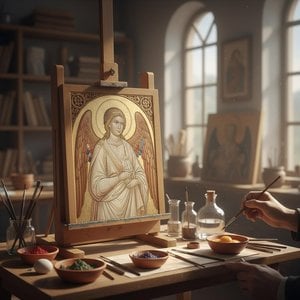
Unveil the sacred secrets of egg tempera on panel. Journey through the technical mastery and profound artistry of the Old Masters, from Giotto to Botticelli. An essential educational guide for Renaissance art enthusiasts seeking deep historical insight and expertise.

Explore the profound artistry of graphite drawing. Discover professional techniques for mastering depth, texture, and detail through a lens of art history, from classical sketches to modern masterpieces. Elevate your understanding of the pencil medium with our expert guide.
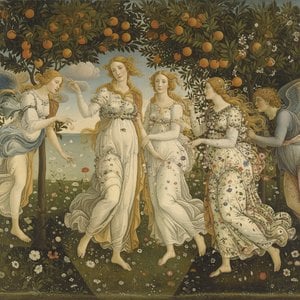
Explore the ethereal beauty of Sandro Botticelli's masterpieces. Delve into the profound symbolism, mythological grace, and technical mastery that define the Italian Renaissance through an expert art-historical lens.

Embark on a sophisticated visual journey through art history's most iconic Venus masterpieces. Explore the divine beauty of Botticelli and the evolution of classical mythology through expert curation for the discerning art enthusiast.

 Peržiūrėti realybėje
 Pasidalinti
 Dalintis
 Išsamiau

 Atsisiųsti
 Panašūs eksponatai
 Rentgeno nuotrauka
 Automatinė diorama
 Skaityti daugiau







 Stiklo variantas prieinamas tik pasirinkus dydį iki 110 cm


