

Šiame puslapyje rodomas meno kūrinys yra saugomas autorių teisių įstatymais, todėl neturime teisės legaliai kurti ar parduoti jo identiškos reprodukcijos. Ši apsauga užtikrinama remiantis tokiais tarptautiniais susitarimais kaip Bernės konvencija ir pagal nacionalines įstatymų nuostatas, įskaitant tas, kurias nurodo JAV autoriškos teisės įstatymas – 17-asis skyrius.
Šis metodas visiškai atitinka autorių teises, nes jame nėra saugomo kūrinio kopijavimo ar dubliavimo. Tai yra kūrybinė reinterpretacija – naujas paveikslas, kurį įkvėpė originalas, tačiau kuris nėra jo identiškas.
Muziejų lygio „giclée“ arba drobos spausdinimas: greita gamyba ir lankstios apdailos parinktys. ( Pirkti rankų darbo tapybą Perejti prie skaitmeninių vaizdų)
Pasirinkite iš mūsų nustatytų dydžių, atitinkančių originalaus meno kūrinio proporcijas.

Įveskite jums reikiamą plotį ir aukštį, kad atvaizdas derėtų prie jūsų rėmo ar sienos. Spausdiną galima tik sumažinti, bet nepadidinti virš originalaus paveikslėlio dydžio, todėl keičiant proporcijas, dalis vaizdo prarandama. Prieš spausdinimą atsiųsime jums skaitmeninį maketą patvirtinimui. Šioje puslapio nuotraukoje matomas pjūvis nėra tikslus – jį rodo tik maketas.
Pristatymas visame pasaulyje () per 2 weeks, o ne įprastas 4/5 savaičių laikotarpis. (12 lapkritis)
Prototype for a laced shoe
Reprodukcijos matmenys
Prototype for a laced shoe is a prototype created by Salvatore Ferragamo in 1938. This work originated in Florence, Italy, during a period of significant artistic and cultural transition. It represents an early conceptual stage in the designer's development of footwear design.
The piece, titled Prototype for a laced shoe, was produced by Salvatore Ferragamo as a study of form and color. It exists as a physical model intended to explore the intersection of functional footwear and avant-garde aesthetic principles. This specific iteration highlights the designer's move toward experimental silhouettes and unconventional material pairings.
The composition focuses on a single brown shoe, presented as a conceptual model. A wooden heel provides a structural foundation, creating a stark material contrast against the softer elements of the design. The silhouette is defined by streamlined lines that prioritize form over ornamentation.
A colorful sock is positioned within the shoe, featuring a rainbow pattern. This element introduces a spectrum of hues that interrupts the muted brown tones of the leather. The juxtaposition of the multicolored fabric against the solid, dark surface of the shoe creates a deliberate visual tension. The arrangement emphasizes a departure from traditional footwear aesthetics through this use of unexpected color and material pairing.
The construction of this prototype utilizes felt decorated with cotton stripes. This choice of medium emphasizes the conceptual nature of the object, prioritizing form and color over traditional leatherwork. The fabric sock features a rainbow pattern, providing a sharp chromatic contrast to the muted tones of the shoe's body.
The piece measures 22 cm in height. The heel, which provides a structural counterpoint to the soft fabric elements, reaches a height of 7 cm. These dimensions reflect the experimental approach taken during the design process in Florence, Italy.
This prototype is held within the Salvatore Ferragamo Museum in Florence, Italy. Also known as the Museo Salvatore Ferragamo or the Ferragamo Museum, the institution was established in 1995. It functions as a repository for the designer's extensive creative output, housing a collection that contains over 10,000 models.
The museum is situated in a setting that reflects the historical significance of the region's craftsmanship. By preserving such diverse prototypes, the collection provides a record of technical experimentation and the evolution of footwear design from the early 20th century through the mid-century period.
The artist's experimental approach to footwear is evident in several other designs from the early to mid-twentieth century. In 1935, he produced the Prototype for a court shoe. This was followed by the 1938 Rainbow wedge sandal, a piece that shares the same era of innovation as the laced shoe prototype. These works reflect a period of intense technical development and material experimentation.
Earlier explorations in form can be seen in the Prototipo di décolleté from 1929. Later, around 1940, the artist produced Evening Shoes. These various models demonstrate a consistent focus on the intersection of sculptural design and functional anatomy throughout his career.
„Prototype for a laced shoe“ – Salvatore Ferragamo galite atsisiųsti iš kūrinio Atsisiųsti skaitmeninį vaizdą puslapio kaip aukštos raiškos skaitmeninio vaizdo atsisiuntimas.
„Prototype for a laced shoe“ spalvų nasyginimas yra Muted.
„Prototype for a laced shoe“ – Salvatore Ferragamo, saugomas Salvatore Ferragamo muziejus kolekcijoje, yra vis dar saugoma autorineje teisėje. Šis statusas nulemia, ar galima rengti vaizdo reprodukcijas.


1898 - 1960 , इटالیا

Discover the unparalleled elegance of Art Deco through the lens of Erté. Explore a masterclass in linear precision, theatrical costume design, and high-fashion illustration that continues to define modern luxury and sophisticated interior aesthetics.

Embark on a visual journey through the evolution of fashion photography. Discover how masters like Gianfranco Ferré blended geometry, surrealism, and texture to redefine high-fashion art for collectors and connoisseurs of luxury imagery.

Explore the profound beauty of the Italian Renaissance. From Raphael's divine frescoes to Michelangelo's anatomical mastery, discover how this era of classical grandeur and humanistic ideals continues to inspire the world's most sophisticated art collectors and designers.
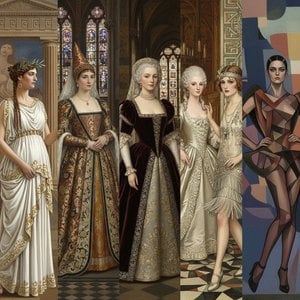
Explore the breathtaking intersection of fine art and high fashion. Discover how iconic masterpieces from Art Deco to Impressionism have shaped the world of luxury couture and timeless design in this curated visual journey.

Discover the exquisite world of fashion illustration art. From Art Deco elegance to bespoke oil reproductions, explore how timeless sartorial beauty transforms luxury interiors through masterfully crafted canvas works and curated historical masterpieces.
 Pasidalinti
 Dalintis
 Išsamiau
 Vadovas

 Atsisiųsti
 Panašūs eksponatai
 Automatinė diorama
 问答
问答
 Statistika


 Skaityti daugiau






































 Stiklo variantas prieinamas tik pasirinkus dydį iki 110 cm


