Muziejų lygio „giclée“ arba drobos spausdinimas: greita gamyba ir lankstios apdailos parinktys. ( Pirkti rankomis tapytą paveikslą Pirkti vaizdą)
Pasirinkite iš mūsų nustatytų dydžių, atitinkančių originalaus meno kūrinio proporcijas.

Galite nurodyti savo matmenis, kad vaizdas atitiktų konkretų rėmą ar erdvę. Jei pasirinktas dydis nesutaps su originalaus paveikslėlio proporcijomis, mes arba apkirpsime kūrinį, arba išplėsime vaizdą naudojant veideliu atspindėtą arba vientisą šoną. Skaitmeninis maketas bus išsiųstas jums patvirtinti prieš pradedant gamybą.
Atkreipkite dėmesį, kad ekrane matomas vaizdinys neatspindi tikrojo apkirpimo ar išplėtimo. Tik maketas tiksliai parodytų galutinę kompoziciją.
Nors galima rinktis ir individualius dydžius, rekomenduojame pasirinkti vieną iš išanksti nustatytų matmenų, kad būtų išlaikytos originalios proporcijos.
Pristatymas visame pasaulyje () per 2 weeks, o ne įprastas 4/5 savaičių laikotarpis. (6 rugsėjis)


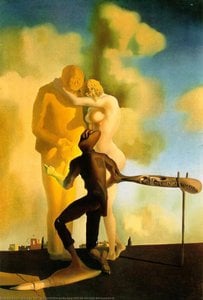
Vox clamantis
Reprodukcijos matmenys
Salvador Dalí’s “Vox clamantis,” completed in 1967, stands as a quintessential example of Abstract Expressionism infused with the unmistakable DNA of Surrealism—a movement Dalí himself spearheaded. This enigmatic painting transcends mere visual representation; it delves into the subconscious mind, mirroring anxieties about mortality and embracing paradoxical imagery to convey profound emotional resonance.
The artwork’s central focus is a solitary bird perched atop a scarlet object resembling an umbrella or fan. This juxtaposition immediately establishes a tension between fragility—represented by the bird—and stability—suggested by the umbrella’s form. Scattered throughout the canvas are additional birds, positioned at varying distances from the viewer, creating a dynamic interplay of perspective and reinforcing the theme of repetition and multiplicity. The artist skillfully utilizes these elements to generate a sense of movement and an unsettling feeling that despite appearances, everything is interconnected.
Dalí executed “Vox clamantis” with meticulous attention to detail using oil paint on canvas—a technique characteristic of his oeuvre during this period. The artist’s brushstrokes are loose yet controlled, capturing the ethereal quality of dreams while maintaining a palpable sense of physicality. The vibrant scarlet hue of the umbrella is deliberately chosen to draw the eye and amplify the painting's emotional impact. Furthermore, Dali’s masterful blending of colors contributes to the overall atmosphere of unease and contemplation.
"Vox clamantis" was created during a time when Dalí wrestled with personal grief following the death of his brother, Salvador. This profound loss fueled his artistic exploration of themes like duality and replacement—concepts deeply rooted in Surrealist philosophy. The painting reflects this preoccupation with mortality not through explicit depiction but rather through symbolic representations: the bird’s vulnerability juxtaposed against the umbrella's protective form speaks to the human desire for resilience amidst inevitable decline.
Ultimately, “Vox clamantis” succeeds in capturing a complex emotional landscape—one marked by sorrow, apprehension, yet simultaneously imbued with an acceptance of transformation. Dalí’s ability to translate psychological anxieties into visual form solidified his position as one of the most influential artists of the 20th century. Reproductions of this artwork offer viewers a glimpse into the artist's inner world and invite contemplation on universal themes of loss, remembrance, and the enduring power of imagination.

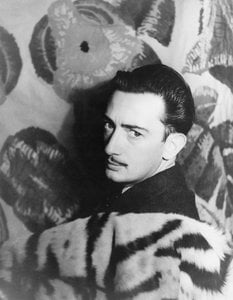
1904 - 1989 , Ispanija

Atraskite 25 įspūdingiausius Salvador Dalí šedevrus! Sužinokite apie surrealizmo meną, simbolizmą ir techniką. Meno reprodukcijos aukščiausia kokybe interjero dekorui – WahooArt.com. Explore the full collection online!

Atraskite 10 legendinių abstraktus ekspresionizmo kūrinių! Pažinkite Pollocko, Rothko ir kitų genijų istorijas bei jų spalvingas meno interpretacijas. Puikios meninės reprodukcijos jūsų namams – WahooArt.com
Explore the captivating world of Salvador Dalí! Discover his surrealist masterpieces, profound connection to Freud's theories, and lasting impact on art & culture. A deep dive into a visionary artist.

Journey through Wassily Kandinsky's 25 most iconic abstract paintings. Explore his revolutionary use of color, form & spiritual expressionism. Find museum-quality Kandinsky reproductions and elevate your home decor with WahooArt.com. Discover all masterpieces on WahooArt.com!

Atraskite 10 legendinių surrealizmo kūrinių! Salvadoris Dali, René Magritte ir kiti meistrai – jų meno istorija bei įkvėpimas. Puikios dailės reprodukcijos interjerui | WahooArt.com

 Peržiūrėti realybėje
 Pasidalinti
 Dalintis
 Išsamiau

 Atsisiųsti
 Panašūs eksponatai
 Rentgeno nuotrauka
 Automatinė diorama

 Skaityti daugiau




































 Stiklo variantas prieinamas tik pasirinkus dydį iki 110 cm