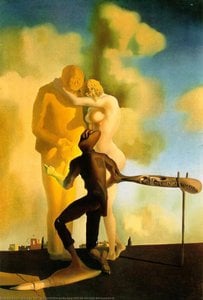
Šiame puslapyje rodomas meno kūrinys yra saugomas autorių teisių įstatymais, todėl neturime teisės legaliai kurti ar parduoti jo identiškos reprodukcijos. Ši apsauga užtikrinama remiantis tokiais tarptautiniais susitarimais kaip Bernės konvencija ir pagal nacionalines įstatymų nuostatas, įskaitant tas, kurias nurodo JAV autoriškos teisės įstatymas – 17-asis skyrius.
Šis metodas visiškai atitinka autorių teises, nes jame nėra saugomo kūrinio kopijavimo ar dubliavimo. Tai yra kūrybinė reinterpretacija – naujas paveikslas, kurį įkvėpė originalas, tačiau kuris nėra jo identiškas.
Muziejų lygio „giclée“ arba drobos spausdinimas: greita gamyba ir lankstios apdailos parinktys. ( Pirkti rankų darbo tapybą Perejti prie skaitmeninių vaizdų)





























Pasirinkite iš mūsų nustatytų dydžių, atitinkančių originalaus meno kūrinio proporcijas.

Įveskite jums reikiamą plotį ir aukštį, kad atvaizdas derėtų prie jūsų rėmo ar sienos. Spausdiną galima tik sumažinti, bet nepadidinti virš originalaus paveikslėlio dydžio, todėl keičiant proporcijas, dalis vaizdo prarandama. Prieš spausdinimą atsiųsime jums skaitmeninį maketą patvirtinimui. Šioje puslapio nuotraukoje matomas pjūvis nėra tikslus – jį rodo tik maketas.
Pristatymas visame pasaulyje () per 2 weeks, o ne įprastas 4/5 savaičių laikotarpis. (8 lapkritis)
The Tree
Reprodukcijos matmenys
Salvador Dalí's "The Tree," painted in 1952, isn’t merely a depiction of a solitary tree; it’s an immersion into the artist’s meticulously constructed world of dreams and anxieties. This arresting black-and-white photograph captures a pivotal moment in Dalí’s career, showcasing his mastery of surrealist techniques and offering a profound meditation on themes of isolation, memory, and the enduring power of nature. The painting itself, a large-scale work executed with a blend of meticulous brushwork and subtle dry-brush effects, immediately commands attention with its stark contrast and unsettling stillness.
The composition is deliberately asymmetrical, drawing the eye towards the imposing tree that dominates the left side of the frame. This deliberate imbalance creates a sense of unease, mirroring the psychological landscape Dalí sought to portray. The vast expanse of empty space on the right feels not merely vacant but actively hostile, suggesting a profound loneliness and perhaps even a confrontation with the void. Two figures – a small, distant observer and another positioned closer to the tree’s base – are subtly integrated into the scene, hinting at an interaction or observation, yet simultaneously emphasizing the tree's solitary existence. Their placement invites us to contemplate our own relationship with this silent sentinel.
Dalí’s signature surrealist style is powerfully evident in “The Tree.” The distorted proportions of the tree itself – its elongated trunk and twisting branches – defy naturalistic representation, immediately signaling a departure from conventional reality. This deliberate exaggeration isn't simply decorative; it serves to unlock the subconscious, revealing hidden anxieties and desires. The monochrome palette amplifies this effect, stripping away any distractions and focusing attention on the textures and forms of the painting. The use of dry-brush techniques adds a tactile quality to the bark, suggesting age, resilience, and a connection to the earth – elements that resonate deeply within the artwork’s symbolic weight.
The tree, as a recurring motif in Dalí's work, carries profound symbolic weight. Often interpreted as representing memory, resilience, or even the artist himself, it stands here as a potent symbol of both life and loss. The empty space surrounding the tree can be seen as a representation of forgotten memories, a landscape haunted by the past. The figures observing the tree might symbolize humanity’s attempts to understand or connect with these elusive fragments of experience. Considering Dalí's personal history – particularly his early childhood trauma involving the death of his brother – the painting becomes an intensely personal exploration of grief and the struggle to reconcile with loss.
Created in 1952, “The Tree” reflects a period of both artistic experimentation and personal reflection for Dalí. Following his initial success with surrealism, he began to explore more complex psychological themes, delving into the realm of dreams and anxieties. The painting’s stark simplicity and unsettling atmosphere resonate powerfully today, offering a timeless meditation on the human condition. It's a work that invites contemplation, prompting viewers to consider their own relationship with memory, loss, and the enduring power of nature – a silent testament to Dalí’s genius and his ability to translate the complexities of the subconscious into visual form.
View High-Quality Reproductions
Living Room erdvėje „The Tree“ siūloma spausdinti Large dydžiu.
„The Tree“ yra WallArt kūrinys.
Gidas apie „The Tree“ yra šio kūrinio Informacinė medžiaga puslapis – spausdinamas informacinį lapelis, kuriame pateikiamas kūrinys su antrašte, autoriu nurodymu bei duomenų lentele (autorius, datos, technika, originalus dydis, kolekcija).

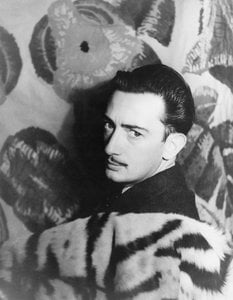
1904 - 1989 , Ispanija

Atraskite 10 legendinių surrealizmo kūrinių! Salvadoris Dali, René Magritte ir kiti meistrai – jų meno istorija bei įkvėpimas. Puikios dailės reprodukcijos interjerui | WahooArt.com

Atraskite 25 įspūdingiausius Salvador Dalí šedevrus! Sužinokite apie surrealizmo meną, simbolizmą ir techniką. Meno reprodukcijos aukščiausia kokybe interjero dekorui – WahooArt.com. Explore the full collection online!

Master the complexities of Salvador Dalí's work. Explore the Paranoiac-Critical Method, decode iconic Surrealist symbols, and understand the psychological depth behind his technical brilliance in this expert art history guide designed for students and collectors.
Explore the captivating world of Salvador Dalí! Discover his surrealist masterpieces, profound connection to Freud's theories, and lasting impact on art & culture. A deep dive into a visionary artist.

Unlock the mysteries of Salvador Dalí. Explore the profound secrets behind his Paranoiac-Critical Method and decode the surrealist symbols that define his legendary dreamscapes in this expert art history guide.
 Peržiūrėti realaus dydžio版
 Pasidalinti
 Dalintis
 Išsamiau
 Vadovas

 Atsisiųsti
 Panašūs eksponatai
 Rentgeno spindulių nuotrauka
 Automatinė diorama
 问答
问答
 Statistika

 Skaityti daugiau









 Stiklo variantas prieinamas tik pasirinkus dydį iki 110 cm