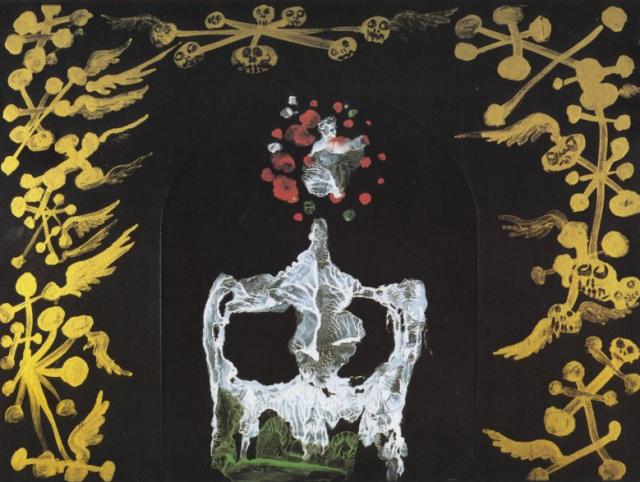
Šiame puslapyje rodomas meno kūrinys yra saugomas autorių teisių įstatymais, todėl neturime teisės legaliai kurti ar parduoti jo identiškos reprodukcijos. Ši apsauga užtikrinama remiantis tokiais tarptautiniais susitarimais kaip Bernės konvencija ir pagal nacionalines įstatymų nuostatas, įskaitant tas, kurias nurodo JAV autoriškos teisės įstatymas – 17-asis skyrius.
Šis metodas visiškai atitinka autorių teises, nes jame nėra saugomo kūrinio kopijavimo ar dubliavimo. Tai yra kūrybinė reinterpretacija – naujas paveikslas, kurį įkvėpė originalas, tačiau kuris nėra jo identiškas.
Muziejų lygio „giclée“ arba drobos spausdinimas: greita gamyba ir lankstios apdailos parinktys. ( Pirkti rankų darbo tapybą Perejti prie skaitmeninių vaizdų)





























Pasirinkite iš mūsų nustatytų dydžių, atitinkančių originalaus meno kūrinio proporcijas.

Įveskite jums reikiamą plotį ir aukštį, kad atvaizdas derėtų prie jūsų rėmo ar sienos. Spausdiną galima tik sumažinti, bet nepadidinti virš originalaus paveikslėlio dydžio, todėl keičiant proporcijas, dalis vaizdo prarandama. Prieš spausdinimą atsiųsime jums skaitmeninį maketą patvirtinimui. Šioje puslapio nuotraukoje matomas pjūvis nėra tikslus – jį rodo tik maketas.
Pristatymas visame pasaulyje () per 2 weeks, o ne įprastas 4/5 savaičių laikotarpis. (2 lapkritis)
Decalcomania, 1936
Reprodukcijos matmenys
In the hauntingly beautiful Decalcomania, 1936, Salvador Dalí invites us into a realm where the boundaries of reality are perpetually dissolving. This masterpiece, born during the height of his surrealist fervor, serves as a profound meditation on grief, memory, and the unsettling beauty found within fractured landscapes. The composition is dominated by a colossal, anthropomorphic skull perched atop a regal crown, a striking juxtaposition that pits the inevitability of mortality against the hollow illusions of power and ambition. Through this stark imagery, Dalí captures a sense of existential weight, presenting a scene that feels both meticulously constructed and dreamily ephemeral.
The emotional resonance of the work is deepened by its surrounding elements, which act as symbolic conduits for hope and entrapment. A vase overflowing with flowers offers a whisper of rebirth amidst the decay, while birds scatter throughout the frame, representing aspirations that remain perpetually tether of the skull's dominion. This delicate balance between life and death, freedom and confinement, creates an atmosphere of whimsical yet unsettling charm, making the piece a captivating subject for those who appreciate art that challenges the psyche and stirs the soul.
Dalí’s technical approach in this work is as revolutionary as its subject matter. The painting utilizes decalcomania, a technique pioneered by the artist himself, where pigment is transferred from one surface to another to create intricate, textured patterns. This method allows for a spontaneous blurring of boundaries between disparate forms, resulting in organic textures that seem to emerge from the subconscious itself. While the visual experience is rich with complexity, the work is often viewed through the lens of stark tonal contrasts, mirroring Dalí’s preference for dramatic light and shadow.
The style can be described as a form of Naïve Art (Primitivism), characterized by an incredible attention to detail that rejects traditional academic conventions in favor of a more raw, visceral expression. For the discerning collector or interior designer, this technique offers a unique tactile quality; even in a high-quality reproduction, the sense of depth and the intricate, layered textures of the transferred pigment remain palpable. It is a work that demands close inspection, rewarding the viewer with new discoveries within its textured crevices every time it is encountered.
Created during the turbulent years leading up to World War II, Decalcomania, 1936 reflects the profound anxieties of an era on the brink of global upheaval. Dalí’s preoccupation with Freudian psychoanalysis is palpable here, particularly regarding the concepts of repression and the hidden depths of the subconscious mind. The painting acts as a visual manifestation of confronting trauma and reimagining identity in a world that felt increasingly unstable.
For those seeking to bring a piece of art history into a contemporary space, this work offers more than mere decoration; it provides a window into the collective psyche of the twentieth century. It is an intellectually stimulating addition to any collection, offering a sophisticated narrative of transformation and the enduring struggle between our darkest fears and our highest aspirations. Whether placed in a quiet study or as a focal point in a grand gallery, Dalí’s vision continues to provoke thought and inspire wonder.
Salvadoras Dalí kūriniui „Decalcomania, 1936“ panaudojo Mixed Technique techniką. Ši technika apibrėžė originalaus kūrinio medžiaginę prigimtį.
„Decalcomania, 1936“ priklauso Modern laikotarpiui.
Darbai, panašūs į „Decalcomania, 1936“, pateikiami kūrinio Panašūs kūriniai puslapyje.


1904 - 1989 , Ispanija

Embark on a visual journey through the subconscious. Explore the profound symbolism of Surrealist masterpieces, from Dalí's melting clocks to dreamlike landscapes, and learn how to curate these evocative visions into your private art collection with expert guidance.

Embark on a sophisticated journey through the surrealist movement. Discover how masters like Dalí and Ernst blurred the lines between dreams and reality through innovative techniques, exploring the profound impact of the subconscious on fine art history with expert authority.

Master the complexities of Salvador Dalí’s genius. Explore an expert analysis of the Paranoiac-Critical Method and the profound symbolism within his Surrealist masterpieces for the discerning art collector.
 Peržiūrėti realaus dydžio版
 Pasidalinti
 Dalintis
 Išsamiau
 Vadovas

 Atsisiųsti
 Panašūs eksponatai
 Rentgeno spindulių nuotrauka
 Automatinė diorama
 Q&A
Q&A Statistika

 Skaityti daugiau









 Stiklo variantas prieinamas tik pasirinkus dydį iki 110 cm