Autoriaus biografija
Salvadoro Dali: Sapnų ir Vizualinių Fantazijų Karalius
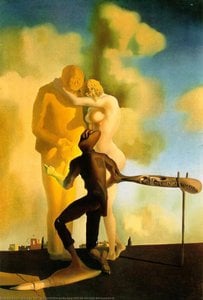
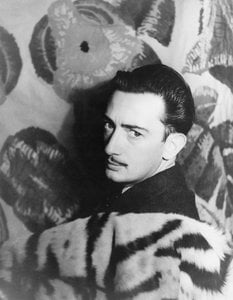
Salvadoras Felipas Žasintas Dali Domenekas (1904-1989) – ispanų dailininkas, tapytojas, grafikas ir skulptorius, be abejo, vienas žinomiausių siurrealizmo atstovų. Jo gyvenimas buvo tarsi nuolat vykstantis performansas, o kūriniai – vizualinė sapnų interpretacija, kupina keistų vaizdų ir nepriekaištingo technikos meistriškumo. Gimė saulėtoje Figero mieste, Ispanijoje, 1904 metų gegužės 11 dieną. Dali vaikystę paženklino brolio mirties šešėlį – jo vardas taip pat buvo Salvadoras, ir jis mirė vos devynis mėnesius iki dailininko gimimo. Šis ankstyvas netektis įskiepijo jam dvilypiškumo temas, kurios vėliau atsirasdavo jo kūriniuose. Sudėtingi santykiai su griežtu, bet pragmatišku tėvu ir motinos meilė formavo unikalų charakterį – kartais ekstravagantišką, kitomis – giliai introspektyvų. Ankstyvoje jaunystėje Dali parodė išskirtinį talentą, kuris buvo ugdytas dailės mokykloje Figere ir vėliau Madrido Dailės akademijoje. Tačiau tik susidūręs su moderniais paveikslais – impresionistais ir renesanso meistrais – jame užgijo aštrus noras atsiriboti nuo tradicijų ir sukelti savo unikalų stilių.
Kelionė į Paryžių ir Siurrealizmo Gimimas
1926 metų kelionė į Paryžių tapo lūžečiu, panardinant Dali į avangardo srovę. Jis buvo patrauktas dadaizmo rebeliška dvasia, atmetusia logiką ir priėmusi absurdą. Tačiau svarbiausia – Paryžiuje jis visiškai pasinėrė į siurrealizmą, susitiko su Andre Bretonu, Pablu Pikaso (kam Dali labai garbingai laikosi) ir Joan Miro. Tai nebuvo tik stiliaus perėjimas; Dali revoliucionizavo pačią srovę. Jis sukūrė „paranojaus-kritinį metodą“ – saviškai sukeliamą paranojos būseną, skirta atskleisti pasąmonės slaptus vaizdinius. Šis metodas leido jam versti sapnus, nerimą ir giliai asmeninius simbolius į drobę su stulbinančiu aiškumu ir preciziu detalumu. Rezultatas – pasaulis, kupinas lydančių laikrodžių, pailgėjusių šešėlių, iškreiptų figūrų ir keistų juxtapozicijų – tai jo lengvai atpažįstamo stiliaus požymiai. 1931 metais sukurtas Atminimo nepastovumas (The Persistence of Memory) iki šiol laikomas vienu iš žinomiausių darbų, apimančiu siurrealistinio sapno tyrinėjimo skystumo, atminties trapumo ir pūlingos praeities temą.
Užu kad drobė: Daugialypis menininkas
Dali kūrybos sritis neapsiriboja tik tapybos drobėmis. Jis buvo itin produktyvus menininkas, eksperimentavęs su skulptūra, filmu – bendradarbiavimas su Alfredu Hitchcocku filme Spellbound ir Voltu Disniu – grafiniu menu, papuošalų dizainu bei net scenografija. Jo susidomėjimas neapsiribojo tradicinėmis meno formomis; jis tyrė komercinio meno ribas, kurdamas reklamą ir pardavimo aikšteles. Jo darbuose dažnai pasikartodavo motyvai: lapės, simbolizuojančios puvimą, kiaužiniai – priešgimimo ir vilties, krantai – paramos ir trapumo, stalčiai – slepiantys paslaptis ir lydantys objektai – įkūnijantys tikrovės nestabilumą. Šie simboliai nebuvo atsitiktiniai; jie buvo giliai asmeniniai, susiję su jo nerimu, norais ir prisiminimais. Tokiuose darbuose kaip Julietos kapavimas (Juliet's Tomb), tai yra liūdesio tyrimas, Manekenas (Barselonos manekenas), atspindintis susižinojimo su dirbtinumu ir tapatybe bei Kraštovaizdis su skručius (Landscape with Flies), vaizduojantis mirties baisumą, galima pamatyti platybę ir gylį jo teminių rūpesčių. Jo meistriškumas, sukauptas per daugelio metų praktiką, leido jam atkurti šiuos fantastiškus vizualinius reiškinius fotografiniu realistišku būdu, dar labiau sustiprinant jų nerimą keliančią galią.
Ekscentrizmas, Palikimas ir Nuolatinis Įtaka
Visas savo gyvenimo laikotarpiu Dali kultivuodavo ekstravagantišką ir keistą asmenybę, kuri buvo tokia pat ryški kaip ir jo menas. Jis suprato viešųjų ryšių galią užimant visuomenės dėmesį ir aktyviai jomis naudojosi. Santuoka su Gala Éluard 1934 metais buvo esminė ne tik asmeniškai, bet ir meniškai; ji tapo jo mūza, verslo vadove ir nepajudinama rėmėja. Nors vėlesniais metais jis susipyko su kairiaisiais siurrealistais dėl savo ryšių su Franko režimu, jo meninis palikimas išlieka didelis. Dali mirė 1989 metų sausio 23 dieną, palikęs kūrinių rinkinį, kuris ir toliau meta iššūkius, provokuoja ir įkvepia. St. Peterburgo, Floridos, Salvadoro Dali muziejus yra liudijimas jo nuolatiniam populiarumui, kuriame eksponuojamas platus kolekcija, leidžianti lankytojams pasinerti į šio išskirtinio menininko pasaulį. Dalí peržengė meno ribas ir tapo kultūros ikona, kurios įtaka galima pamatyti madoje, kine, reklamoje ir populiariojoje kultūroje. Jis išlieka vienu iš reikšmingiausių 20-ojo amžiaus menininkų – tikru vizionieriumi, kuris drįso tyrinėti pasąmonės gelmes ir versti jos paslaptis į drobę visoms akimis apžiūrėti.



 Peržiūrėti realybėje
 Perejti prie spausdinimo
 Pasidalinti
 Dalintis
 Išsamiau

 Atsisiųsti
 Panašūs eksponatai
 Rentgeno nuotrauka
 Automatinė diorama
 Statistika

 Skaityti daugiau






































 Stiklo variantas prieinamas tik pasirinkus dydį iki 110 cm