A Descent into Controlled Chaos: Roy Lichtenstein's "Mad Scientist"
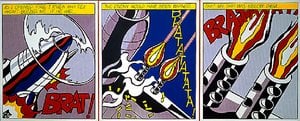
Roy Lichtenstein’s “Mad Scientist,” executed in 1963, is more than just a comic book panel; it’s a meticulously crafted distillation of Pop Art’s core tenets – a vibrant interrogation of American culture through the lens of popular imagery. This particular piece, measuring 127 x 152 cm, captures a moment of frenetic experimentation, frozen in time with an unsettlingly captivating intensity. The image depicts a figure, instantly recognizable as a Lichtenstein creation, engaged in a self-administered experiment, his yellow hat and open mouth conveying both scientific obsession and a touch of manic energy. It’s a scene that simultaneously evokes the anxieties surrounding technological advancement and the inherent dangers of unchecked ambition – themes deeply embedded within the cultural landscape of the early 1960s.
Ben-Day Dots and the Pop Art Revolution
- Technique: Lichtenstein’s signature technique, born from his adaptation of commercial printing methods, is immediately apparent. The image is constructed entirely from meticulously applied Ben-Day dots – small colored circles that create a stippled effect mimicking the look of serigraphy (screenprinting). This process, borrowed from the world of advertising and comic books, lends the artwork a distinctive flatness and graphic quality, deliberately rejecting traditional notions of painterly depth.
- Color Palette: The bold use of primary colors – yellow, red, and black – is characteristic of Pop Art’s rejection of academic color theory. These saturated hues are not intended to represent reality but rather to grab the viewer's attention and evoke a visceral response.
- Composition: The panel’s composition, with its dynamic diagonal lines and overlapping elements, contributes to the sense of movement and unease. The multiple clocks – symbols of time and control – further amplify this feeling, suggesting a desperate attempt to manipulate forces beyond the scientist's grasp.
Symbolism and Context: Science, Anxiety, and American Identity
“Mad Scientist” is not simply a depiction of a character; it’s a complex layering of symbolic meanings. The scientist himself represents the burgeoning anxieties surrounding scientific progress during the Cold War era – the fear of nuclear annihilation and the potential for technology to be used destructively. The experiment, performed on himself, speaks to themes of self-destruction and the blurring lines between genius and madness. The second figure in the background, a shadowy observer, adds another layer of intrigue, perhaps representing societal judgment or the consequences of unchecked ambition. This artwork reflects Lichtenstein's broader engagement with American culture, particularly its fascination with science fiction and the heroic narratives often found in comic books.
A Collector’s Perspective: Investment and Aesthetic Value
This hand-painted reproduction of Roy Lichtenstein’s “Mad Scientist” offers a unique opportunity to own a piece of art history. Executed with meticulous attention to detail, it faithfully captures the essence of Lichtenstein's groundbreaking style. Beyond its aesthetic appeal, this artwork represents an investment in a significant artist within the Pop Art movement – a movement that continues to influence contemporary art and design. Its vibrant colors, dynamic composition, and thought-provoking subject matter make it a compelling addition to any collection or interior space, injecting a dose of playful intellectualism into your surroundings.



 Peržiūrėti realybėje
 Switch to Print
 Pasidalinti
 Dalintis
 Išsamiau

 Atsisiųsti
 Panašūs eksponatai
 Rentgeno nuotrauka
 Automatinė diorama
 Stats
Stats


 Skaityti daugiau






































 Stiklo variantas prieinamas tik pasirinkus dydį iki 110 cm