
Parduokite


x
- Pirkti
-
Autoriai
Visi autoriai Didžiausiosios 100 menininkų sąlista Pagal meno epochas Alphabetine tvarka Visi meno rūšiai Visi mediai Skirstyti pagal gimimo šalis Pagrindžiant iš istorinių periodų Pagal atmosferą Pagal emocinius tonus Pasirinkti pagal kūrybos etapusRūšiuoti pagal kūrybos spalvas Pag根据 gimimo metais Skirstant pagal spalvų intensyvumą Pas pagal kūrybos veiklą Žymūs menininkai, pakeitę pasaulį Moterų kūrėjų kilimas Renesanso meistrai Užsakykite kūrybinį darbą jau šiandien Kaip mes bendradarbiajama su privačiais kolekcionieriais Kūrimas įmonių menininkų portfolio
- Kūriniai
- Technikos ir stiliai
- Muziejai
-
Straipsniai
Visi straipsniai Populiariausių 100 strašknių Pagrįsta raktažodžiais Skirstoma pagal kategorijas Pagal rašymo toną Karo istorijos laiko linija Karo kolekcionavimo pagrindai Meno kryptių suvokimas Šedevrai per istorijąSpalva ir emocija menė Kaip eksponuoti meno kūrinius namuose Menas ir emocijos: dekoravimas pagal nuotaiką bei atmosferą Dekoravimo patarimai pagal kambarį Kuriamų sezoninių kolekcijų rinkiniai Menas kaip investicija Įmonės menas: įkvėpkite savo biurą kūrybiškumu Vestuvų ir jubiliejų dovanos Klientų istorijos ir atsiliepimai
-
Paslaugos
Paveikslas iš nuotraukos Nuotrauka į meno spausdinį Jūsų nuotrauka meistro kūrybinėje paveikslėlio formatu Menų paslaugų patarėjas Gaukite kainos pasiūlymą Ekskluzyvūs VIP užsakymai Meno vertinimas Parduokite kaip galerija Nemokama meno kuracija Gaukite nemokamų meno rekomendacijų Nuo nuotraukos iki paveikslėlio: personalizuotų portretų kelionė Daigymo procesas

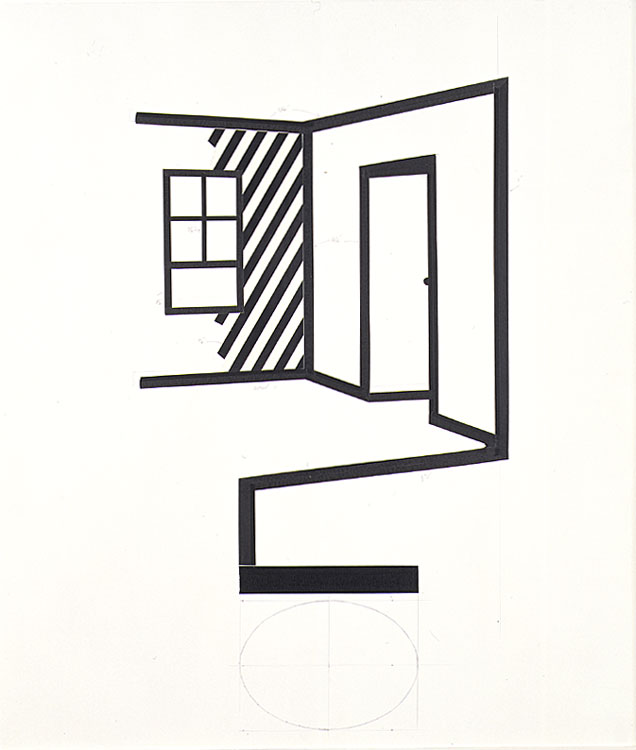
 Peržiūrėti realybėje
 Pirkti rankomis tapytą paveikslą
 Pasidalinti
 Dalintis
 Išsamiau

 Atsisiųsti
 Panašūs eksponatai
 Rentgeno nuotrauka
 Automatinė diorama

 Skaityti daugiau






































 Stiklo variantas prieinamas tik pasirinkus dydį iki 110 cm





