

Šiame puslapyje rodomas meno kūrinys yra saugomas autorių teisių įstatymais, todėl neturime teisės legaliai kurti ar parduoti jo identiškos reprodukcijos. Ši apsauga užtikrinama remiantis tokiais tarptautiniais susitarimais kaip Bernės konvencija ir pagal nacionalines įstatymų nuostatas, įskaitant tas, kurias nurodo JAV autoriškos teisės įstatymas – 17-asis skyrius.
Šis metodas visiškai atitinka autorių teises, nes jame nėra saugomo kūrinio kopijavimo ar dubliavimo. Tai yra kūrybinė reinterpretacija – naujas paveikslas, kurį įkvėpė originalas, tačiau kuris nėra jo identiškas.
Muziejų lygio „giclée“ arba drobos spausdinimas: greita gamyba ir lankstios apdailos parinktys. ( Pirkti rankų darbo tapybą Perejti prie skaitmeninių vaizdų)





























Pasirinkite iš mūsų nustatytų dydžių, atitinkančių originalaus meno kūrinio proporcijas.

Įveskite jums reikiamą plotį ir aukštį, kad atvaizdas derėtų prie jūsų rėmo ar sienos. Spausdiną galima tik sumažinti, bet nepadidinti virš originalaus paveikslėlio dydžio, todėl keičiant proporcijas, dalis vaizdo prarandama. Prieš spausdinimą atsiųsime jums skaitmeninį maketą patvirtinimui. Šioje puslapio nuotraukoje matomas pjūvis nėra tikslus – jį rodo tik maketas.
Pristatymas visame pasaulyje () per 2 weeks, o ne įprastas 4/5 savaičių laikotarpis. (16 lapkritis)
Alka seltzer
Reprodukcijos matmenys
Roy Lichtenstein’s “Alka Seltzer” isn't merely a depiction of a familiar drugstore item; it’s a masterful distillation of the principles that defined Pop Art—a movement born from postwar America and fueled by a fascination with mass culture. Created in 1966, this graphite illustration transcends its humble subject matter through Lichtenstein’s signature stylistic choices, establishing itself as an emblem of both artistic innovation and cultural commentary.
The artwork centers around a cylindrical glass filled with effervescent bubbles—a deliberate simplification that underscores Lichtenstein's commitment to graphic abstraction. Lines radiate outwards from the center, mimicking the dynamic movement of carbon dioxide escaping from the Alka-Seltzer tablets, while bold, thick lines delineate the glass’s contours. Crucially, Lichtenstein employs Ben-Day dots – a technique borrowed directly from comic book printing—to simulate shading and texture. These meticulously arranged colored dots aren't just decorative; they represent a conscious effort to reproduce the visual effects of halftone screens, mirroring the aesthetic conventions of popular media.
Strictly monochromatic in black and white with subtle shades of grey, “Alka Seltzer” prioritizes form and texture over chromatic richness. This deliberate restriction enhances the artwork’s impact, emphasizing the geometric precision characteristic of Lichtenstein's style. The grayscale palette contributes to a sense of immediacy and clarity, mirroring the visual language of advertising and comic strips—elements that profoundly influenced Lichtenstein’s artistic vision.
While seemingly straightforward as an image of consumer goods, “Alka Seltzer” carries deeper symbolic resonance. The bubbles themselves can be interpreted as representing fleeting pleasure, release from tension, and perhaps even a commentary on the ephemeral nature of modern life. Lichtenstein’s appropriation of comic book imagery wasn't simply stylistic; it was a deliberate provocation—a questioning of traditional artistic hierarchies and a celebration of everyday visual culture.
“Alka Seltzer” stands as a cornerstone of Pop Art, cementing Lichtenstein’s reputation as one of the movement's foremost practitioners. Its influence extends beyond its immediate aesthetic qualities, shaping subsequent artistic explorations into themes of mass production and visual communication. Today, reproductions of this iconic artwork continue to inspire designers and collectors alike, demonstrating the enduring power of Lichtenstein’s innovative approach to translating popular culture into compelling art.
Rekomenduojama erdvė kūriniui „Alka seltzer“ – Roy Lichtenstein yra Living Room. Šią rekomendaciją, žinoma, galima pritaikyti prie jūsų interjero.
„Alka seltzer“ bendroji ryškumas yra brilliant, o švytėjimas – Luminous.
„Alka seltzer“ – Roy Lichtenstein spalvos pasižymi Muted nasyginimu ir Monochromatic intensyvumu.


Dive into the vibrant world of Ben-Day dots. Explore how Roy Lichtenstein transformed mass media imagery into high art, redefining modern aesthetics through the iconic textures of Pop Art and its enduring impact on contemporary visual culture.

Explore the profound psychological depth of Roy Lichtenstein's color theory. An expert analysis for art collectors on how bold palettes and Ben-Day dots redefine modern aesthetics and luxury interior curation.

Immerse yourself in the vibrant world of Pop Art with our curated guide to Roy Lichtenstein's top 25 masterpieces. Explore the stories behind his iconic Ben-Day dots and bold comic aesthetics. Find museum-quality reproductions for your decor at WahooArt.com. Discover all masterpieces online.
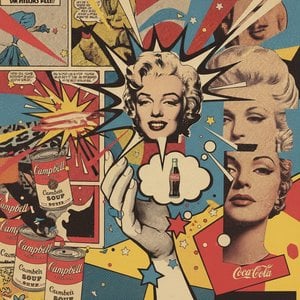
Immerse yourself in the vibrant legacy of Pop Art. Explore the stories, bold colors, and iconic techniques behind ten legendary masterpieces that redefined modern culture. Find museum-quality reproductions to elevate your space. Discover all masterpieces on WahooArt.com.
 Peržiūrėti realaus dydžio版
 Pasidalinti
 Dalintis
 Išsamiau
 Vadovas

 Atsisiųsti
 Panašūs eksponatai
 Rentgeno spindulių nuotrauka
 Automatinė diorama
 问答
问答
 Statistika
 Skaityti daugiau









 Stiklo variantas prieinamas tik pasirinkus dydį iki 110 cm


