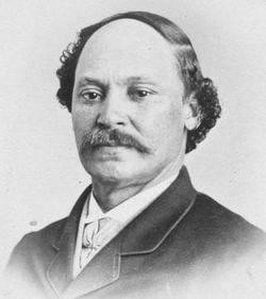
Amerikos peizažo pionierius
Robertas Seldonas Duncansonas – vardas, kuris skamba kartu su meniningu švytėjimu ir istorine reikšme – tapo viena svarbiausių XX amžiaus amerikietiško meno figūrų. Gimęs apie 1821 m. Niujorko valstijoje, Fejetavile, europos ir afrikiečių kilmės šeimoje – jo tėvas, Johnas Deanas Duncansonas, laisvas afroamerikietis rangovas, į savo sūnų įsidiegė darbštumo ir mokslą siekimo vertybes – Duncansonas gyveno pasaulyje, pilname rasinės diskriminacijos, tačiau tuo pačiu metu pasiekė tarptautinę šlovę kaip peizažų tapys։ Jo kelionė buvo savikurtinio mokslo, nepaišnekamos atsidavimo ir gilaus ryšio su gamta procesas, kuris galiausiai padarė jį pirmuoju afroamerikiečių menininku, sulaukusiu plačios pripažinimo Atlanto abipusėje. Persikeliant šeimai į Monreį, Mičigane, jauneslis Robertas pradėjo mokytis stalių ir dažytojo amato, pasirodydamas ankstyvą meninį talentą, kuris netrukus nustatė visą jo gyvenimo kryptį.
Nuo portretų iki panoraminės erdvės
Duncansono meninis vystymasis prasidėjo nuo portretų tapymo – tai buvo praktiškas būdas įsitvirtinti kaip profesionalus menininkas. Tačiau auganti kultūrinė scena Sincinati mieste, Ohajo valstijoje – mieste, žinomame kaip „Vakarų Atėnai“ – 1840 m. pakvietė jį, pasiūlydama galimybes augti ir būti pastebėtam, kurių kitur nebuvo. Didžiąja dalimi savikurtis Duncansonas savo įgūdžius šlifavo kruopščiai studijuodamas litografiją ir graviūras, piešdamas tiesiog iš gamtos ir itin tiksliai kopijuodamas gerbiamų meistrų darbus. Tokia griežta požiūrio metodika leido jam išрабоyti aštrią detalės pastebėjimo regimą ir neįtikėtiną techninį meistriškumę, nepaisant oficialaus mokslo trūkumo. Būtent Sincinati mieste jis pradėjo savo transformaciją link peizažų tapymo, vedamas romantiškais idealais ir amerikietiškojo dykra subtilaus grožio. Hudson River mokyklos įtaka jo kūryboje tapo vis ryškesnė, ypač matoma per Thomas Cole kompozicijas, kurios dramatiškas gamtos vaizdymas giliai rezonavo su paties Duncansniego menine jautrumu. Jis nebuvo tik scenų kopijuotojas; jis juos interpretavo per unikalią asmeninę prizmę, savo plėmus įliejdamas ramybės ir dvasinio ryšio pojūtį.
Europos kelionė ir tarptautinė šlovė
Lūžio taškas Duncansno karjeroje įvyko 1853–1854 m., kai jis atvyko į ilgąją Europos turą. Ši kelionė suteikė jam neįvertinjam galimybę susipažinti su Europos meistrų kūryba, išplėčiant menines horizontas ir tobulinant techniką. Jis studijavo senovės meistrus, įsisavinęs jų požiūrį į šviesą, spalvą ir kompoziciją, kuriuos vėliau integruojo į savo išskirtinę stilių. Grįžęs namo, Duncansno darbai demonstravo naują sofistikuotumo ir brandumo lygį, pritraukdami dėmesį ne tik Amerikoje, bet ir Angliją, Skotijoje bei Kanadoje. Sekė parodos, užtvirtinančios jo reputaciją kaip didelio talento ir vizijos turinčio menininko. Jis tapo pagrindine figūra kuriant Ohajo upės slėnio peizažų tradiciją, stebėdamas raminantį šio regiono grožį su neįtikėtinu meistriškumu. Jo paveikslai nebuvo tiesiog vietos atvaizdai; jie buvo nuotaikos, atmosferos ir aukščiausios gamtos galios išraiška.
Paliktis ir istorinė reikšme
Robertas Seldonas Duncansonas paliko paveldą, kuris išnyksta daug daugiau nei tik jo meniniai pasiekimai. Jis sėkmingai įlaužė barjerus afroamerikiečių menininkams laikotarpiu, pasižymimu plačia rasine diskriminacija, tapdamas įkvėpimu būsimoms kartoms. Jo sėkmė iššūkį nustatė prevailingus visuomenės normų standartus ir įrodė meno galią kėsti virš priegaidžių. Nors meno istorikai vis dar debatuoja, kiek jo rasė paveikė meninę išraišką – kai kurie teigiant subtilias simbolines rasinės temų užuomina peizažuose – niekas neįgali, kad Duncansno gyvenimo istorija yra atsidavimo, talento ir neblėstančios žmogaus dvasios įrodymas. Daugelį metų jo kūryba buvo neteisingai ignoruojama, tačiau šiuolaikinės mokslinės įžvalgos ir parodos atgavo dėmesį jo indėliui į amerikietiško meno istoriją.
Ilgalaikė įspūdžio jėga
Duncansno paveikslai siūlo daugiau nei tik estetinį malonumą; jie kviečia į šviesą meditaciją apie gamą, dvasią ir žmogaus būtį. meistriškas spalvų naudojimas, kruopščios detalės ir evokuojanti kompozicija sukuria pasinerimo pojūtį, vedant žiūrovą į raminantį jo peizažų grožį. Jis mirė netikėtai 1872 m. Детroit parengdamas parodą, galbūt dėl švininės medžiagos nuotrūkų nuo naudojamų dažų. Šiandien Robertas Seldonas Duncansonas laikomas pionieriumi – įrodymu, kad menas gali įveikti sunkumus ir palikti neištrinštam pėdsaką pasaulyje. Jo raminantys vaizdai ir toliau užburia auditoriją, primindami mums amžiną gamtos grožį ir neįtikėtiną talento menininko, kuris drįžo svajoti už savo laikmečio nustatytų ribų, jėga.
- Pagrindinės temos: Peizažų tapysmas, romantizmas, Hudson River mokyklos įtaka, dvasinis ryšys su gamta.
- Žinomos kūriniai: „Peizažas su avimais“, „Rožių natūralaus mirtos vaizdas“ ir daugybė Ohajo upės slėnio vaizduotų vietų.



 Peržiūrėti realaus dydžio版
 Perjungti į spausdinimą
 Siųsti
 Dalintis
 Išsamiau
 Vadovas

 Atsisiųsti
 Panašūs eksponatai
 Rentgeno spindulių nuotrauka
 Diaporama
 Statistika


 Rodyti daugiau






































 Stiklo variantas prieinamas tik pasirinkus dydį iki 110 cm