Autoriaus biografija
Ankstyvieji Metai ir Šeimos Palikimas
Rembrandt Peale, gimęs 1778 metais Bakso apygardoje, Pensilvanijoje, iškilęs iš šeimos, giliai įsitvirtinusios ankstyvosios Amerikos meno aplinkoje. Jo tėvas, Charles Willson Peale, buvo ne tik menininkas, bet ir kultūros veikėjas – tapytojas, muziejaus įkūrėjas ir aštriai tikintis meno galia formuojant nacionalinę tapatybę. Būtent šioje stimuliuojančioje aplinkoje jaunasis Rembrandt gavo pagrindinį išsilavinimą kartu su savo broliais ir seserimis, mokydamasis portreto ir kraštovaizdžio tapybos techniką iš tėvo įgūdžių. Pats vardas “Rembrandt”, atspindintis olandų meistro Harmensoono van Rijn vardą, signalizavo Charles Willson Peale ambicijas sūnui – vilties, kad jis tęs meno puikumo tradiciją. Nuo stebėtinai jaunų metų Rembrandt parodė nepaprastą gabumą, sukūręs pirmąjį autoportretą vos trylies metų amžiaus, darbas jau rodantis tikslumą ir ambicijas, kurios būdingos jo brandžiam stiliui. Šis ankstyvas kūrinys nebuvo tik techninių įgūdžių pasirodymas; tai buvo ketinimo pareiškimas, jaunasis menininkas skelbiantis savo buvimą Amerikos meno scenoje.
Formuojantys Metai ir Neoklasicizmo Įtaka
Peale’s artistinė kelionė jį nuvedė į Paryžių jo ankstyvaisiais trečiaisiais dešimtmečiais, esminė patirtis, kuri giliai formavo jo estetinę jautrumą. Panaręs į Europos kultūros širdį, jis susidūrė su vyraujančiomis prancūzų neoklasicizmo srovėmis – stiliumi, pabrėžiančiu tvarką, aiškumą ir grįžimą prie klasikos idealų. Ši įtaka yra akivaizdžiai matoma Peale’s vėlesniuose darbuose, kuriems būdingas rafinuotas braižymas, subalansuotos kompozicijos ir kruopštus dėmesys detalėms. Nors tėvo portretai dažnai turėjo tam tikrą kaimišką gyvybę, Rembrandto portretai linko į poliruotesnę ir idealizuotą vaizdavimą jo objektų. Šiuo laikotarpiu jis ėmėsi enkautikos technikos – senovės metodo, naudojantį vašką kaip terpę, rodydamas įsipareigojimą tyrinėti naujoviškus tapybos metodus. Tačiau Peale nesikopijavo Europos stilių; jis juos pritaikė Amerikos kontekste, kurdamas portretus, kurie atspindėjo tautos besiformuojančią tapatybės sampratą ir jos kultūrinio nepriklausomybės siekius. Jo atsidavimas tiksliems panašumams, kartu su neoklasicizmo mokymu, leido jam kurti vaizdus, kurie buvo estetiškai malonūs ir istoriškai reikšmingi.
Gausus Portretistas: Fiksuojant Epoką
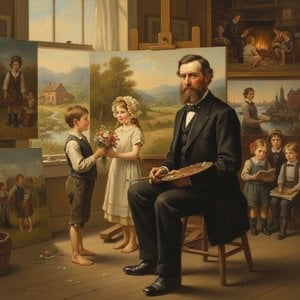
Rembrandt Peale’s karjera buvo nepaprastai gausi, pažymėta nuolatinio tobulumo siekimo ir atsidavimo dokumentuojant savo laikų žymias figūras. Jis ypač išgarsėjo dėl George Washington portretų, sukūrusių daugiau nei septyniasdešimt jo ikoniško “Patriae Pater” (Tėvas Tėvynės) kopijų. Šie vaizdai nebuvo tik fizinės išvaizdos atspindys; tai buvo kruopščiai sukonstruoti nacionalinio pasididžiavimo ir lyderystės simboliai. Peale suprato portreto galią formuojant visuomenės nuomonę ir prisidedant prie kolektyvinės atminties kūrimo. Be Washington, jis nutapė daugybę kitų įtakingų asmenų, įskaitant Thomas Jefferson, John C. Calhoun ir įvairius Amerikos elito narius. Jo portretai neapsiribojo politinėmis figūromis; jis taip pat užfiksavo eilinių piliečių panašumus, pasiūlydamas žvilgsnį į kasdienio amerikiečio gyvenimą ir siekius. Vyras su barzda, nors ir nenurodytas datomis, pavyzdžiuoja jo įgūdį užfiksuoti individualų charakterį ir psichologinį gilumą. Kiekvienas potepis atskleidžia ne tik fizines savybes, bet ir užuominas apie sėdinčiojo vidinį gyvenimą.
Už Drobės: Peale Muziejus ir Nuolatinis Palikimas
Rembrandt Peale’s indėlis apėmė daugiau nei tapybą; jis buvo vizionierius muziejaus įkūrėjas, skatinamas noro šviesti visuomenę ir propaguoti meno vertinimą. 1814 metais jis įsteigė pirmąjį muziejų Baltimorėje, Merilande – novatorišką instituciją, tarnavusią kaip daugelio modernių meno muziejų pradininkas. Tai nebuvo tik galerija eksponuoti meno kūrinius; tai buvo koncepcija kaip mokymosi centras, siūlantis tapybos, skulptūrų ir gamtos istorijos eksponatus. Muziejus vėliau tapo antrąja Baltimorės miesto rotušė, o po to – Peale muziejumi, tęsiant jo palikimą viešajai tarnybai per meną. Jo įsipareigojimas padaryti meną prieinamą visiems atspindi giliai įsitvirtinusią tikėjimą jo transformacine galia. Šiandien Rembrandt Peale’s darbai saugomi prestižiniuose rinkiniuose visame pasaulyje, įskaitant Nacionalinę portretų galeriją Vašingtone, ir tebėra švenčiami dėl savo istoriškos reikšmės ir meno vertės. Jo įtaka matoma vėlesnių Amerikos portreto tapytojų darbuose, įtvirtinant jo vietą kaip esminę figūrą tautos meno istorijoje.
Pastattingas Įspūdis
Rembrandt Peale’s gyvenimas buvo skirtas tiek meninei kūrybai, tiek kultūriniam praturtinimui. Jis nebuvo tik tapytojas; jis buvo istorikas, edukatorius ir Amerikos tapatybės šalininkas. Jo portretai siūlo vertingų įžvalgų apie jo laikų asmenybes ir vertybes, o jo muziejus tarnavo apšvietimo švyturiu sparčiai besikeičiančioje tautoje. Jo palikimas išlieka ne tik per daugybę jo meno kūrinių, bet ir per novatorišką dvasią bei nesvyruojantį įsipareigojimą meno galiai. Jis paliko po save darbų rinkinį, kuris tebėra įkvepiantis ir žavinčiantis šiandienos auditoriją, primindamas mums apie nuolatinę kultūros paveldo išsaugojimo svarbą ir tų, kurie buvo priešais mus, pasiekimus.



 Peržiūrėti realaus dydžio版
 Perjungti į spausdinimą
 Siųsti
 Dalintis
 Išsamiau
 Gidas
Gidas

 Atsisiųsti
 Panašūs eksponatai
 Rentgeno spindulių nuotrauka
 Diaporama
 Statistika


 Rodyti daugiau






































 Stiklo variantas prieinamas tik pasirinkus dydį iki 110 cm