Peržiūrėti realaus dydžio版 Peržiūrėti AR realybėje Perjungti į spausdinimą Perejti prie skaitmeninių vaizdų Siųsti
Išsamiau Vadovas Pridėti į mėgstamiausius Atsisiųsti Panašūs eksponatai Rentgeno spindulių nuotrauka Diaporama Statistika

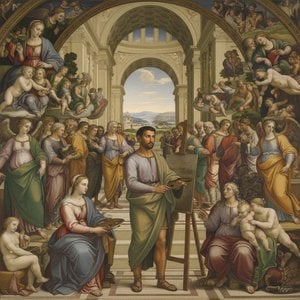
St Michael and the Satan

Explore Raphael’s masterpiece, ‘St Michael & Satan’! A Baroque painting of epic scale, showcasing dynamic composition, dramatic lighting & religious symbolism. #Raphael #BaroqueArt

Raphelis (1483–1520) – Renesanso meistras, žinomas dėl savo serenų Madonų, architektūrinio talento ir ikoninių kūrinių, tokių kaip „Atėnų mokykla“. Ištykite jo kilmes Urbine ir meninę palikimą.

Rankų darbo aliejinės reprodukcijos

Rankiniu būdu tapytas aliejus ant droblio jūsų pageidaujamame dydį ir rėmuose – mūsų menininkų darbas pagal užsakymą. ( Perjungti į spausdinimą Perejti prie skaitmeninių vaizdų)

Corner sample of the P118B picture frame: lieto polistirolo, 5 cm wide and 3 cm thick
P118B 10
Corner sample of the P118H picture frame: lieto polistirolo, 5 cm wide and 3 cm thick
P118H 10
Corner sample of the P118W picture frame: lieto polistirolo, 5 cm wide and 3 cm thick
P118W 10
Corner sample of the P438Z picture frame: lieto polistirolo, 5.5 cm wide and 3.5 cm thick
P438Z 10
Corner sample of the P508JH picture frame: lieto polistirolo, 7 cm wide and 3.5 cm thick
P508JH 12
Corner sample of the P508YH picture frame: lieto polistirolo, 7 cm wide and 3.5 cm thick
P508YH 12
Corner sample of the P805H picture frame: lieto polistirolo, 5 cm wide and 3.5 cm thick
P805H 10
Corner sample of the P805Z picture frame: lieto polistirolo, 5 cm wide and 3.5 cm thick
P805Z 10
Corner sample of the P919BZ picture frame: lieto polistirolo, 7 cm wide and 3.5 cm thick
P919BZ 10
Corner sample of the P919G picture frame: lieto polistirolo, 7 cm wide and 3.5 cm thick
P919G 10
Corner sample of the P919XJ picture frame: lieto polistirolo, 7 cm wide and 3.5 cm thick
P919XJ 10
Corner sample of the P959ZH picture frame: lieto polistirolo, 5 cm wide and 3 cm thick
P959ZH 10
Corner sample of the P968JZ picture frame: lieto polistirolo, 6 cm wide and 4 cm thick
P968JZ 12
Corner sample of the W106C picture frame: solidus medžio, 5 cm wide and 3 cm thick
W106C 8
Corner sample of the W218G picture frame: solidus medžio, 5 cm wide and 3 cm thick
W218G 10
Corner sample of the W218JH picture frame: solidus medžio, 5 cm wide and 3 cm thick
W218JH 8
Corner sample of the W218Y picture frame: solidus medžio, 5 cm wide and 3 cm thick
W218Y 10
Corner sample of the W307PJ picture frame: solidus medžio, 6 cm wide and 3 cm thick
W307PJ 10
Corner sample of the W316G picture frame: solidus medžio, 6 cm wide and 3 cm thick
W316G 10
Corner sample of the W316PJ picture frame: solidus medžio, 6 cm wide and 3 cm thick
W316PJ 8
Corner sample of the W316Y picture frame: solidus medžio, 6 cm wide and 3 cm thick
W316Y 10
Corner sample of the W398PJ picture frame: solidus medžio, 5 cm wide and 3 cm thick
W398PJ 8
Corner sample of the W4111J picture frame: solidus medžio, 6.5 cm wide and 3.5 cm thick
W4111J 10
Corner sample of the W500HY picture frame: solidus medžio, 7 cm wide and 5 cm thick
W500HY 15
Corner sample of the W500JH picture frame: solidus medžio, 7 cm wide and 5 cm thick
W500JH 15
Corner sample of the W692G picture frame: solidus medžio, 8 cm wide and 4 cm thick
W692G 12
Corner sample of the W849H picture frame: solidus medžio, 5 cm wide and 3 cm thick
W849H 8
Corner sample of the W940BG picture frame: solidus medžio, 7.5 cm wide and 4.5 cm thick
W940BG 15
Corner sample of the W953PJ picture frame: solidus medžio, 6 cm wide and 3.5 cm thick
W953PJ 8

Standartinis
individualaus dydžio
CM
INCH

Pasirinkite iš mūsų nustatytų dydžių, atitinkančių originalaus meno kūrinio proporcijas.

plotis
aukštis

Įveskite jums reikiamą plotį ir aukštį, kad paveikslas atitiktų jūsų rėmą ar sieną. Kadangi šis darbas yra rankinio darbo, siekiant išgauti kitokio formos dydį, paveikslas gali būti šiek tiek didesnis (nuo kraštų bus palikta daugiau erdvės) arba mažesnis – pasirinkite jums patogiausią variantą. Prieš pradedant tapyti, atsiųsime jums skaitmeninį maketą patvirtinimui. Šioje puslapio nuotraukoje matomas vaizdas nėra galutinis rezultatas – jį parodys tik sukurtas maketas.

Ką galima pakeisti (pavyzdžiai): Pakeisti veidą į kliento nuotrauką; Pridėti augintinį (pvz., pakeisti katę šunimi); Įtraukti paslėptą žinutę fone; Pakeisti fono kraštovaizdį ar elementus.
Gavus užsakymą, WahooArt.com komanda susisieks su klientu el. paštu dėl instrukcijų ir pateiks maketo pavyzdį

Pristatymas visame pasaulyje () per 3–4 savaites, o ne įprastai – per 5 savaites. (21 spalis). Kokybė lieka nepakeičiama.

Nemokamas greitasis pristatymas visame pasaulyje
Aukštos kokybės lininis drobė
Pilnas siuntimo draudimas
Muitinės mokesčių grąžinimo garantija
Tikro spalvų atitikimo garantija
100 dienų grąžinimo politika (tik esant įtaigoms)
100% pinigų grąžinimo garantija
Nuolaida dideliems užsakymams

Bendroji kaina

€ 259

St Michael and the Satan

Reprodukcijos technika

Reprodukcijos dydis

-

Visų pasirinktų variantų kaina

€ 259

Pagrindinė informacija

  • style: Baroque
  • influences: High Renaissance
  • artist: Raphael (Raffaello Sanzio da Urbino)
  • title: St Michael and the Satan

Karo viktorina

Kiekviename klausime yra tik vienas teisingas atsakymas.

Klausimas 1:
To which artistic period does 'St Michael and the Satan' primarily belong?
Klausimas 2:
What is the primary symbolic meaning depicted in this artwork?
Klausimas 3:
Based on the description, which element is *most* emphasized to create a dramatic effect?
Klausimas 4:
What compositional technique is described as being used in the artwork?
Klausimas 5:
The description notes that Raphael was known for his work during which period of art history?

A Celestial Triumph: The Divine Drama of Raphael’s St. Michael

In the hallowed halls of the Louvre, there exists a masterpiece that captures the very essence of cosmic conflict. Raphael’s St. Michael and the Satan is not merely a painting; it is a breathtaking theater of the soul, where the boundaries between heaven and earth dissolve into a singular moment of divine justice. As the eye meets the canvas, one is immediately struck by the profound tension held within the composition. The archangel Michael, a figure of celestial grace and unyielding strength, stands poised above his fallen adversary. This is the definitive depiction of the archetypal battle between good and evil, a visual symphony where the triumph of faith over temptation is rendered with such visceral intensity that the viewer becomes a witness to the eternal struggle for righteousness.

The artistry on display exemplifies the pinnacle of the High Renaissance, yet it whispers of the dramatic, muscular energy that would soon define the Mannerist movement. Raphael, a master of harmony, utilizes a pyramidal composition to anchor the chaos, directing the viewer's gaze upward toward the triumphant archangel. The anatomy of the figures is rendered with a sculptural precision reminiscent of Michelangelo, yet Raphael infuses the scene with a unique, fluid elegance. Every muscle in Michael’s form and every twisted limb of the defeated Satan contributes to a sense of movement captured at a standstill—a breathless pause in the midst of an epic upheaval.

Luminous Technique and the Alchemy of Color

To behold this work is to experience the transformative power of light and pigment. Executed with exceptional technical mastery, the painting utilizes oil glazes to achieve a luminous depth that seems to glow from within. Raphael’s palette in this period was particularly daring; he moves away from his more tranquil tones to embrace a rich, dramatic spectrum of warm golds, deep reds, and earthy browns. These colors do more than just decorate the scene—they breathe life into it. The metallic sheen of the light reflecting off celestial armor and the dark, brooding shadows cast over the demonic form create a chiaroscuro effect that heightens the emotional stakes of the encounter.

The texture of the work invites close contemplation, as visible brushwork adds a layer of vitality to the landscape and the figures alike. There is an alchemy at play here, where the blending of pigments creates a sense of atmosphere so thick one can almost feel the stormy sky pressing down upon the rocky terrain. For the collector or the interior designer, such a piece offers more than just visual interest; it provides a focal point of immense gravity and sophistication. A high-quality reproduction of this masterpiece brings with it a sense of historical weight and an unparalleled ability to command the atmosphere of any curated space.

Symbolism and the Eternal Legacy

Beyond its aesthetic splendor, St. Michael and the Satan serves as a profound theological allegory. Commissioned during the height of papal influence, likely for Pope Leo X, the painting functions as a symbol of divine authority and the inevitable victory of the light. Every element is heavy with meaning: the spear held by the archangel represents the piercing truth of faith, while the subjugated Satan embodies the chaos of sin. The composition serves as a reminder that even in the darkest moments of human experience, there is an underlying order and a divine protection that remains unshakable.

For those seeking to adorn their homes or galleries with art that inspires reflection and awe, this work stands as a testament to the enduring power of the Renaissance spirit. It is a piece that speaks to the resilience of the human spirit and the eternal hope for triumph over adversity. Whether viewed as a historical relic of the Vatican’s golden age or as a breathtaking display of technical virtuosity, Raphael’s vision continues to captivate, offering a window into a realm where beauty and divinity are inextricably linked.

问答 (or more naturally for a website heading): Klausimai ir atsakymai

Kokią atmosferą į kambarį atneštų „St Michael and the Satan“, autorius – Rafaelis reprodukcija?

Dramatic atmosfera kūrybinėje veikale „St Michael and the Satan“, autorius – Rafaelis dera su rekomenduojama erdvė: tai Living Room.

Kas yra „St Michael and the Satan“ autorius ir kokiu stiliaus metu?

Šiame kūrinį „St Michael and the Satan“ sukūrė Rafaelis, atstovaujantis Baroque stiliui.

Kokia yra „St Michael and the Satan“, autorius – Rafaelis technika ir kūrybos data?

St Michael and the Satan“ sukurtas 1518 m., naudojant Oil On Canvas.


Autoriaus biografija

Rafaelo: Renesanso Šviesos ir Grožio Simbolis

Rafaelas Sanzias da Urbinas, pasauliui žinomas tiesiog Rafaeliu, iškilęs iš nepaprastai deramo kultūrinio kraštovaizdžio. Gimė 1483 metais Urbino miesto sienų viduje, mažo, bet intelektualiai gyvybingo valstiečių miesto centrinėje Italijoje. Jo ankstyvieji metai buvo įmerkiami į atmosferą, kuri vertino tiek meninę kūrybę, tiek humanistinį mokymąsi. Tėvas, Džovanis Santis, nebuvo tik dailininkas, dirbęs kunigaikščio Federiko da Montefeltro – jis buvo vyras, giliai įsitraukęs į Renesanso minties sroves, poetas, aprašęs kunigaikščio gyvenimą ir aktyviai ieškojęs naujų meninių idėjų iš visos Italijos ir už jos ribų. Šis panardinimas į dvarinį aplinką, kuri vertino rafinavimą ir intelektualias diskusijas, giliai paveikė jaunojo Rafaelių. Tėvo netekimas būdamas vienuolikos metų padėjo atsakomybę ant jo pečių, bet suteikė galimybę ugdyti savo įgūdžius šeimos dirbtuvėje, perimdami technikas ir tradicijas vietinių menininkų vadovavimo po. Net ankstyvuose darbuose ėmė atsiskleisti švelnus grožio prieskonis ir atidumas detalėms – tai buvo jo brandaus stiliaus bruožiai.

Nuo Umbrijos iki Florencijos: Naujų Įtakų Absorbavimas

Rafaelio meninis kelias buvo nuolatinio tobulėjimo procesas, pažymėtas intensyvių studijų ir asimiliacijos laikotarpiais. Jo pradiniai mokymai pas Pietro Perugino Pergujoje padėjo tvirtą pagrindą Umbrijos stiliui – pasižymint minkšta modeliavimu, harmoninėmis kompozicijomis ir ramiomis religinėmis scenomis. Tačiau Rafaelių turėjo nepasotinamą smalsumą, kuris jį paskatino ieškoti naujų iššūkių ir plėsti savo meninius horizontus. 1504 metais jis keliavo į Florenciją – miestą, tada pulsuojantį meninės inovacijos energija. Čia jis susitiko su Leonardo da Vinci ir Mikelandželo šedevrais – dailininkais, kurie beprecedentiniu būdu stūmė tapybos ribas. Jis kruopščiai studijavo jų technikas – Leonardo sfumato, subtilių šviesos ir šešėlio gradacijų, ir Mikelandželo galingą anatomijos tikslumą bei dramatiškas kompozicijas. Šis Florencijos laikotarpis buvo Rafaeliui lydinysis bandymas, privertęs susidurti su naujomis meninėmis galimybėmis ir sintetinti jas į savo unikalų viziją. Įtaka matoma didėjant dinamizmui ir psichologinei gilioms jo darbams nuo šio laikotarpio, ypač jo Madonų serijoje.

Romos Triufas: Užsakymai ir Šedevrai

1508 metais Rafaelių gavo sumanymą, kuris pakeis jo karjeros eigą – kvietimą iš popiežiaus Julijaus II atvykti į Romą. Tai pažymėjo jo produktyviausią ir garsiausią laikotarpį. Amžinasis miestas suteikė jam neprilygintą galimybę parodyti savo talentus dideliu masteliu, puošiant popiežių rūmus Vatikane su kvapinančiais freskomis. „Atenų mokykla“, be abejo, jo garsiausias darbas, yra liudijimas jo kompozicijos, perspektyvos ir filosofinės alegorijos meistriškumo. Joje Rafaelas subūrė figūras iš klasikinės antikos – Platono, Aristotelio, Pitagoro, Euklido – sukurdamas gyvąją sceną, kuri paminėjo žmogaus protą ir žinių siekį. Jis toliau dirbo su vėlesniais popiežiais, Levu X tarp jų, imdamasis monumentalios „Stanze della Segnatura“ ir „Stanza d'Eliodoro“ dekoravimo. Šių kambarių freskos nėra tik dekoratyvinės; tai yra gilios deklaracijos apie popiežių galią, religinius įsitikinimus ir Renesanso idealus.

Grožio ir Didybės Sintezė: Rafaelio Meninis Stilius

Rafaelio meninis stilius dažnai apibūdinamas kaip harmoningas grožio, aiškumo ir idealizuoto grožio derinys. Jis turėjo neeilinį gebėjimą sintetinti įvairias įtakas – Umbrijos tradiciją, Florencijos naujoves, klasikinę antiką – į unikalią, subalansuotą estetiką. Jo kompozicijos kruopščiai suplanuotos, demonstruodamos tvarkos ir proporcijų jausmą, atspindintį jo gilias Renesanso principų supratimą. Jo figūros spinduliuoja tykią orumą ir emocinį raiškumą, įkūnijant humanistinį žmogaus tobulumo idealą. Jis taip pat buvo spalvų meistras, naudodamas turtingas, žėruojančias spalvas, kad sukurtų darbus, kurie yra tiek vizualiai patrauklūs, tiek intelektualiai stimuluojantys. Skirtingai nuo Mikelandželo dažnai dramatiško ir neramumo stiliaus, Rafaelio darbai iškvepia ramybės ir harmonijos jausmą – savybę, kuri amžių metais žavėjo žiūrovus.

Palikimas ir Nuolatinis Įtaka

Rafaelių ankstyva mirtis 1520 metais, būdamas vos trisdešimt septyni metų, nutraukė karjerą, kupiną potencialo. Tačiau jo palikimas išlieka vienu reikšmingiausiu Vakarų meno istorijoje figūrų. Jo darbas tapo Aukštojo Renesanso estetikos pagrindiniu aspektu, tarnaujančiu modeliu daugybei menininkų kartų. Nors Mikelandželo įtaka vėliau dominuotų meniniuose diskursuose, Rafaelio dėmesys aiškumui, harmonijai ir idealizuotam grožiui atgijo Neoklasikinio periodo metu, jį remiant kritikams kaip Johann Joachim Winckelmann. Šiandien jo paveikslai toliau įkvepia nuostabą ir gerbėjus, žavindami savo techniniu išmanumu, emociniu giliu ir nuolatiniu patrauklumu. Jo įtaka galima pamatyti daugybėje po juo sukurtų darbų, kas padėjo jam užimti vietą tikruoju Renesanso meistru – dailininku, kuris ne tik fiksavo savo subjektų fizinį panašumą, bet ir žmogaus grožio ir orumo esmę.

Rafaelis

Rafaelis

1483 - 1520 , Italija

Trumpa informacija apie kūrėją

  • Gimimo Data: 1483 m.
  • Gimimo Vieta: Urbino, Italija
  • Meninis Stilius: Aukštasis Renesanso
  • Mirties Data: 1520 m.
  • Pilnas Vardas: Raphael
  • Poveikį Darantys Dailininkai:
    • Leonardo da Vinci
    • Michelangelo
  • Tautybė: Italijos
  • Įtaką Patyrusios Meno Kryptys: ['Neoklasicizmas']
  • Žymiausi Kūriniai:
    • Atėnų mokykla
    • Sistinos Madona
Tyrinėkite meno kūrinius, suskirstytus pagal temas, stilius ir savybes.