Gyvenimas, į šaknusį Renesanso transformacijai
Pieteris Bruegelis Senelis pasirodė epochos, kai Europos meno peizažas keitėsi: Italijos Aukštojo Renesanso idealai trėstė į spariejantį Šiaurės Europos išraiškos sudėtingumą. Gimęs maždaug tarp 1525 ir 1530 metų, tikriausiai Bredoje – nors detalės apie jo ankstyvąjį gyvenimą išlieka šiek tiek paslaptingos – Bruegelio formavimosi metai vyko religinių suirutės ir klestinčios prekybos kultūros fone. Savo meninę kelią jis pradėjo apie ng 1545 m. kaip mokinio pas Pieterį Coecke van Aelst, gerbiama Antverpio paveikslėlis, žinomą tiek dėl savo meistriškumo, tiek dėl gobelenų projektų. Ši mokybinė praktika Bruegelį suteikė tvirtą techninių įgūdžių – alyvų dažų tapybos ir piešimo – pagrindą, tačiau, galbūt svarbiausia, ji jį prisivelė prie humanistinių srovių, pradėjusių sklisti intelektualiaisse aplinkose. Van Aelst darbo dirbtuvės nebuvo tik meno mokymo vieta; tai buvo tyrinė, kurioje tradicinės technikos susitiko su naujomis idėjomis, formuodamos būsimąją Bruegelio viziją.
Kelionės ir unikios vizijos kūrimas
Baigęs mokymus, Bruegelis išvyko į plačias keliones, kurios negrįžtamai pažymėjo jo meninį vystymąsi. Tarp 1551 ir 1553 metų jis kliaujosi per Prancūziją, Šveicariją ir Italiją, piešdamas peizažus ir pasinerdamas į įvairias kultūjas. Tai nebuvo tiesiog turistinės išvykos; tai buvo stebėjimų ir mokymosi ekspedicijos. Italijoje Bruegelis susidūrė su Renesanso meistrų kūriniais, tačiau jo meninis temperamentas išliko išskirtinai Šiaurės Europos. Jis ne tiesiog priimė Italijos stilius, o perprato jų įtaką ir prilyjo juos prie savo unikalaus jautrumo. Alpai su savo dramatiškais viršūnėmis ir slėniais paliko neištrinčiam įspūdį, paveikdami kompozicinę struktūrą ir atmosferinę perspektyvą, matomą daugelyje jo vėlesnių peizažų. Grįžęs į Antverpį 1553 m., jis buvo priimtas kaip laisvas meistras Šv. Logo gilėje, kas patvirtino jo profesinę nepriklausomymą ir įtvirtino jį kaip pripažintą menininką gyvybingoje miesto meno bendruomenėje.
Išėjimas už mitų ir religijos ribų: Naujas meno dėlis
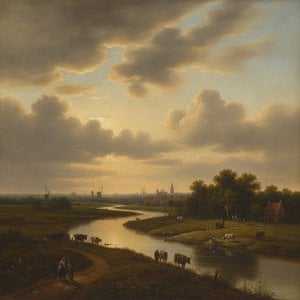
Tikroji Bruegelio inovacija slyti jo tematikoje. Jis drąsiai atsisakė įsitvirtinusios Renesanso tapybos konvencija, kuri dažnai susikoncentruodavo į religinius naratyvus ar klasikinę mitologiją. Vietoj to jis savo dėmesį nukreipė į paprastų žmonių kasdienybę – ūkininkus, dirbančius laukuose, kaimynus, švenčiančius festivalius, medžiotojus, keliaujančius sniegu dengtais kraštais. Tai nebuvo tradicinių temų atmetimas, o labiau kasdienybės pakėlimas į aukšto meno lygmenį. Jo peizažai nebuvo tik fonas; jie buvo aktyvūs naratyvo dalyviai, dažnai prisipildyti simboline prasmė ir atspindintys gilią supratimą apie gamtos jėgą bei grožį. Pavyzdžiui,
Mirties triumfas yra šiurpanti žmogaus mirtingumo vizija, o tokie paveikslai kaip
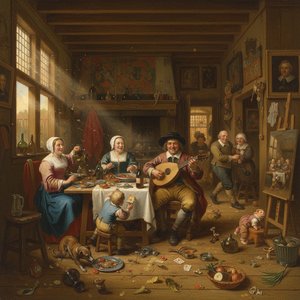
Ūkininkų vestuvės siūlo neįtikėtinai detalų ir subtilų kaimo gyvenimo vaizdą, be sentimentališkos idealizacijos. Jis meistriškai taikė chiaroscuro – dramatišką šviesos ir šešėlio žaidimą – siekdamas sukurti gylį, realizmą ir emocinį rezonansą savo kompozicijose. Jo scenos nebūvo būtinai kritinės; jos buvo realistiški stebėjimai, įtrapinantys tiek juoką, tiek sunkumus, būdingus žmogaus egzistencijai.
Ilgalaikis palikimas: Įtaka per šimteles
Pieterio Bruegelio Senelio įtaka vėlesnomsmenių kartoms yra neįginijama. Jis padėjo pagrindus Olandijos Aukso amžiaus paveikslėliams, įkvėpdamas tokius menininkus kaip Isaacas van Ostade ir Adriaen Brouwer savo realistiškais ūkininkų gyvenimo vaizdais. Jo inovatyvus požiūris į peizažų tapybą taip pat atvėrė kelią vėlesniams šio žanro pokyčiams, paveikdamas menininkus, siekiantius įamžinti gamtos pasaulio grožį ir didybę. Be tapybos, Bruegelio kūriniai ir toliau rezonuoja su šiuolaikine auditorija, pasireiškindami tokiuose filmuose kaip Andreja Tarkovskio
Solaris (1972) ir Lars von Trier „
Melancholia“ (2011), demonstruodami neblėstančią jo vaizdingumo galią. Jo paveikslai siūlo amžiną refleksiją apie žmogaus būsenę – mūsų ryšį su gamta, mūsų kovą su mirties nebaudžiamumu ir mūsų gebėjimą patirti tiek džiaugsmą, tiek liūdesį. Jis mirė Briusele 1569 m., pasibaigus relatively jaunas, būdamas keturiasdevemis, palikęs kūrybinį palikimą, kuris ir šiandien sužavė ir įkvėpia, įtvirtindamas jo vietą kaip vienos svarbiausių figūrų meno istorijoje.
Žinomos kūriniai ir amžinos temos
- Peizažas su pabėgimu į Egipto šalį: Ramus, tačiau subtiliai simboliškas Šventosios šeimos kelionės vaizdas, demonstruojantis Bruegelio meistriškumą atmosferinėje perspektyvoje.
- Mirties triumfas: Šiurpanti ir apokalyptinė mirtingumo vizija, pilna groteskiškų vaizdų ir artėjančios katastrofos pojūčio.
- Ūkininkų vestuvės: Gyvybingas ir detalus kaimo gyvenimo vaizdas, įtrapinantis burbuliuojančią energiją ir flamandų kaimo socialinius papročius.
- Medžiotojai šiurpliame sniege: Dalis metų laikų serijos; šis ikoniškas paveikslas yra garsėjantis dėl savo atmosferinio grožio ir realistiško žiemos peizažo vaizdo.
triangleright - Babelio bokštas: Monumentus kūrinys, iliustruojantis žmogaus ambicijas ir dievišką teisinį sprendimą, demonstruojantis Bruegelio gebėjimą kurti sudėtingas kompozicijas su itin smulkiomis detalėmis.
Bruegelio menas nebuvo tik to, ką jis matė, vaizdavimas; tai buvo pasauno interpretacija per humanizmo tyrimo ir meno inovacijų prizmę. Jis paliko ne tik paveikslus, bet ir neblėstančius įrodymus stebėjimo galios, kasdienio gyvenimo grožio ir amžino žmogaus dvasios sudėtingumo.



 Peržiūrėti realaus dydžio版
 Pirkti rankomis tapytą reprodukciją
 Siųsti
 Dalintis
 Išsamiau
 Vadovas

 Atsisiųsti
 Panašūs eksponatai
 Rentgeno spindulių nuotrauka
 Diaporama
 Statistika

 Rodyti daugiau






































 Stiklo variantas prieinamas tik pasirinkus dydį iki 110 cm