x
Pirkti spaudinį Pirkti spaudinįPirkti vaizdą Pirkti vaizdą PasidalintiPasidalinti
IšsamiauIšsamiau Pridėti į mėgstamiausius Pridėti į mėgstamiausius AtsisiųstiAtsisiųsti Panašūs eksponataiPanašūs eksponatai Automatinė dioramaAutomatinė diorama

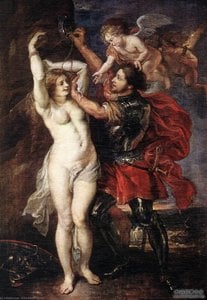
Perseus and Andromeda

Experience the Baroque drama of Puget's Perseus and Andromeda sculpture, capturing dynamic mythological heroism in exquisite marble detail; discover this masterpiece today.

Ištykite dramatišką prancūzų baroko meistro Pierre Puget (1620–1694) pasaulį! Atraskite jo skulptūras, tapybą ir architektūros darbus, kuriuose susijungia realizmas ir emocija.

Rankų darbo aliejinės reprodukcijos

Rankiniu būdu tapytas aliejus ant droblio jūsų pageidaujamame dydį ir rėmuose – mūsų menininkų darbas pagal užsakymą. (Pirkti spaudinį Pirkti spaudinįPirkti vaizdą Pirkti vaizdą)

Standartinis dydis
individualiame dydį
CM
INCH

Pasirinkite iš mūsų nustatytų dydžių, atitinkančių originalaus meno kūrinio proporcijas.

plotis
aukštis

Galite įvesti savo matmenis, kad jie atitiktų konkretų rėmą ar erdvę. Jei pasirinktas dydis neatitinka originalaus paveikslėlio proporcijų, mes arba apkropsime meno kūrinį, arba papildysime tapybą rankomis dažytい elementais. Prieš pradėdami gamybą, jūsų patvirtinimui atsiųsime skaitmeninį maketą.
Atkreipkite dėmesį, kad ekrane rodomas vaizdas neatspindi tikrojo apkarpymo ar papildymo. Tik maketas tiksliai parodys galutinę kompoziciją.
Nors galima rinktis ir individualius dydžius, rekomenduojame pasirinkti matmenis iš nustatytos sąrašo, kad būtų išlaikytos originalios proporcijos.

Ką galima pakeisti (pavyzdžiai): Pakeisti veidą į kliento nuotrauką; Pridėti augintinį (pvz., pakeisti katę šunimi); Įtraukti paslėptą žinutę fone; Pakeisti fono kraštovaizdį ar elementus.
Gavus užsakymą, WahooArt.com komanda susisieks su klientu el. paštu dėl instrukcijų ir pateiks maketo pavyzdį.

Pristatymas visame pasaulyje () per 3–4 savaites, o ne įprastai – per 5 savaites. (4 rugsėjis). Kokybė lieka nepakeičiama.

why_choose_icon
Nemokamas greitasis pristatymas visame pasaulyje
why_choose_icon
Aukštos kokybės lininis drobė
why_choose_icon
Pilnas siuntimo draudimas
why_choose_icon
Muitinės mokesčių grąžinimo garantija
why_choose_icon
Tikro spalvų atitikimo garantija
why_choose_icon
60 dienų grąžinimo politika (tik esant gamyklinėms defektams)
why_choose_icon
100% pinigų grąžinimo garantija
why_choose_icon
Nuolaida už kelias reprodukcijas

Visų darbų kaina

$ 297

reproduction

Perseus and Andromeda

Reprodukcijos technika

Reprodukcijos matmenys

-

Galutinė kaina

$ 297

Trumpos informacija

  • Influences: Roman Baroque Art
  • Medium: Marble Sculpture
  • Location: Musée des Beaux-Arts de Marseille
  • Title: Perseus and Andromeda
  • Movement: Baroque
  • Year: 1678
  • Artistic style: Realistic; Emotional Expression

Karo viktorina

Kiekviename klausime yra tik vienas teisingas atsakymas.

Klausimas 1:
What mythological tale inspired Pierre Puget’s sculpture, ‘Perseus and Andromeda’?
Klausimas 2:
Which artistic style is most closely associated with Pierre Puget’s sculpture?
Klausimas 3:
What material was primarily used to create ‘Perseus and Andromeda’?
Klausimas 4:
The sculpture’s lighting contributes to its dramatic effect by:
Klausimas 5:
What symbolic elements are present in the sculpture’s depiction of Andromeda?

A Symphony in Marble: The Dramatic Vision of Pierre Puget

In the hallowed halls where art meets immortality, few works command the room with as much visceral intensity as Pierre Puget’s Perseus and Andromeda. Completed in 1678, this monumental marble masterpiece is far more than a mere sculptural group; it is a theatrical performance frozen in stone. As a cornerstone of the French Baroque tradition, the work captures the very essence of an era defined by movement, tension, and profound emotional release. To behold this sculpture is to witness a moment where the cold rigidity of marble is transformed into breathing flesh, capturing the precise second where mythic heroism intersects with anatomical perfection.

The narrative etched into the stone recounts one of the most gripping legends of Greek mythology: the heroic rescue of Andromeda by Perseus from the clutches of Cetus, the monstrous sea serpent. The composition is a masterclass in Baroque dynamism. Puget positions Perseus atop a jagged, rocky outcrop, his body a study in triumphant power as he holds aloft the severed head of Medusa. Below him, Andromeda is depicted bound to the stone, her form embodying a poignant vulnerability and an exquisite sense of anguish. This dramatic contrast between the conqueror’s dominance and the maiden's distress creates a visual tension that draws the viewer into the heart of the struggle.

Mastery of Form and the Baroque Spirit

Puget’s technical prowess is nothing short of extraordinary, showcasing an unwavering commitment to anatomical realism that sets his work apart from the more restrained classical styles of the Louis XIV era. Every muscle fiber of Perseus’s powerful physique and every delicate fold of Andromeda’s drapery has been meticulously rendered, demonstrating a profound command over the medium of marble. The sculptor utilizes the natural properties of the stone to create a subtle interplay of light and shadow; the smooth, luminous texture of skin contrasts sharply with the rugged, abrasive surfaces of the rocky terrain and the terrifying visage of Medusa.

The color palette of the piece remains inherently tied to the medium itself, relying on the muted, sophisticated earth tones of gray, brown, and cream derived from the marble. This lack of external pigment allows the viewer to focus entirely on the sculptural depth and the play of light across the surfaces. For the discerning collector or interior designer, this understated palette offers a unique versatility, providing a focal point that exudes grandeur and prestige without overwhelming a curated space. It is a work that brings with it an atmosphere of historical weight and classical elegance.

Symbolism and Lasting Emotional Impact

Beyond its physical beauty, Perseus and Andromeda serves as a powerful allegory for the human condition. The struggle depicted is not merely a battle against a sea monster, but a symbolic triumph of courage and intellect over fear and chaos. Andromeda’s nudity serves as a symbol of innocence and vulnerability, while Perseus’s helmet and triumphant posture signify divine protection and the strength of the heroic spirit. This layer of profound meaning ensures that the artwork resonates on an intellectual level long after the initial visual impact has been felt.

For those seeking to adorn a space with art that inspires awe, this reproduction offers an unparalleled opportunity. It is a piece designed for those who appreciate the intersection of history, myth, and technical mastery. Whether placed in a grand gallery or a sophisticated private study, the sculpture’s ability to evoke emotion—ranging from the terror of the monster to the relief of the rescue—makes it a timeless addition to any high-end collection. It remains a testament to Puget's legacy as a master who could make stone weep and marble breathe.


Autoriaus biografija

Pierre Puget: GyvenimasLYSIŲ ir inžinerijos surinkime

  • Gimė: Marselys, Prancūzija (1620 m.)
  • Mirė: 1694 m.

Pradinis gyvenimas ir Italijos įtampų paveikimas

  • Mokslininko pradžia: Pugetas savo karjerą pradėjo ketvirt عشرmetėje, drožydamas ornamentus Marselyje konstruojamoms galėms. Ši ankstyva susidarymo su meistriškumu patirtis padėjo pagrindus jo vėlesniems meniniams siekiams.
  • Kelionė į Italiją (1640 m.): Ieškodamas naujų galimybiats, jis išvyko į Italiją, pirmiausia į Livorno, o vėliau į Florenciją. Čia jis tobulino savo įgūdžius kaip medžio drožytojas ir tapys:
  • Roma ir Pietro da Cortona: Lemtingas momentas įvyko Romoje, kai jis buvo priimtas po Pietro da Cortonos globacija. Pugetas padėjo tapti sudėtingus lubų paveikslus Palazzo Barberini ir Palazzo Pitti rūnuose, visur pajaudindamas romano baroko meno dinamizmą ir prachtą.
  • Grįžimas į Marselyį (1643 m.): Po trijų metų Italijoje jis grįžo į Marselyį, su savo širdimi nešdamas išrafinuotą meninę jautrią, suformuotą Italijos meistrų.

Didieji darbai ir meninė evoliucija

  • Ankinčios užsakomybės: Grįžęs namo, Pugetas gavo užsakymų tapti paveikslams ir altariams, demonstrajądamas evoliucionuojantį stilių, įkvėptą Annibale Carracci ir Rubenso.
  • Skulptūriniai proveržiai: Jis vis daugiau dėvėjo dėmesio skulptūrai, kurdamas tokius darbus kaip medalionai prancūziškų karo valkų uoksams, demonstruodamas augantį formos ir detalės meistriškumą.
  • Vaux-le-Vicomte (1660-tal): Nicolas Fouquet užsakė Pugetui išskulptuoti Herkulį savo Vaux-le-Vicomte rūnuose, kas tapo svarbiu jo karjeros momentu ir įrodė galingų asmenų globą.
  • Genovos laikotarpis: Po Fouquet praradimo, Pugetas persikėlė į Genovą, kur sukūrė žinomus darbus, tokius kaip „Hercule Gaulois“ (Louvre) ir skulptūras bažnyčioms, pavyzdžiui, Santa Maria di Carignano.
  • Versailles užsakomybės: Colbertas parvežė Pugetą atgal į Prancūziją, kas atvertė kelią Versalio užsakymams, įskaitant garsiausias grupes „Milo of Croton“ ir „Perseus and Andromeda“. Šie darbai pasižymi dramatišku intensyvumu ir išraiškingu realizmu.

Stilius ir įtampos šaltiniai

  • Baroko drama: Pugeto stilius tvirtai įsikėlęs baroko tradicijoje, pabrėžiant judėjimą, emociją ir teatrališkumą.
  • Klasikinė įkvėpimas: Priimdamas baroko dinamiką, jo darbai taip pat atskleidžia vertinimą klasikinėms formoms ir idealams.
  • Michelangelo ir Bernini: Jo skulptūros rodo įtaką Michelangelo galingoms figūroms ir Bernini dinamiškoms kompozicijoms.
  • Unikalus išraiška: Nepaisant šių įtakų, Pugetas sukūrė išskirtinį stilių, pažymimą gryna energija ir išraiškos intensyvumu, kuris jį išskiria nuo konvencionalių baroko menininkų.

Palikimas ir istorinė reikšmė

  • Tiltas tarp meno ir inžinerijos: Pugeto gebėjimas sklandžiai sujungti meninę talentą su inžineriniu įgūdžiu buvo unikalus. Jo darbai jūros architektūroje ir tvirtinimuose demonstruoja praktinį išmanumą kartu su meniniais pasiekimais.
  • Psišelęs genis: Théophile Gautier garsiai apibūdino jį kaip „melancholišką kalčių imperatorius“, atspindint intesyvumą ir galbūt kovas, būtiną jo kūrybinėje procese.
  • Nuolatinė įtampa: Pugeto skulptūros, ypač „Milo of Croton“ ir „Perseus and Andromeda“, išlieka ikoninėmis prancūziško baroko skulptūros pavyzdinėmis, vertinamos dėl savo išraiškos jėgos ir techninio virtuozystės.
  • Pripažinimas šiandien: Jo darbai yra švenčiami muziejuose visame pasaulyje, įskaitant Louvre ir Musée des Beaux-Arts de Marseille, tvirtindami jo vietą kaip svarbios figūros meno istorijoje.
Pjeras Pugetas

Pjeras Pugetas

1620 - 1694 , Prancūzija

Trumpa informacija

  • Artistic Movement Or Style: Barokas
  • Artists Who Influenced This Artist:
    • Annibale Carracci
    • Rubens
    • Michelangelo
    • Bernini
  • Date Of Birth: 1620
  • Date Of Death: 1694
  • Full Name: Pierre Puget
  • Nationality: Prancūzų
  • Notable Artworks:
    • Atilsis Heraklio
    • Fauno terakota
    • Méraglio rotos durys
    • Šv. Petro apibrotsas
    • Fregata jūroje
  • Place Of Birth: Marselyas, Prancūzija
Tyrinėkite meno kūrinius, suskirstytus pagal temas, stilius ir savybes.