Autoriaus biografija
Akmens pavela: Pierre-Jean David d’Angers gyvenimas ir menas
Prancūzijoje, Angers mieste, 1788 metais gimęs Pierre-Jean David savo meninį pradėjo pasinertęs į republicinizmo pietumą, kuris vėliau tapo jo gyvenimo ir kūrybos pagrindiniu akcentu. Pradėjęs mokytis savo tėvo, vietinio medžio drožytojo, jaunasis David quickly parodė ypatingą skulptūros talentą, kuris veda jį link didesnių ambicijų. 1808 metais jis atvyko į Paryzium – miestą, pilną tiek klasikinės tradicacijos, tiek revoliucinės dvasios – ir École des Beaux-Arts mokėsi iš Philippe-Laurent Roland. Šis laikotarpis buvo formavimo metu: jis įsisenino neoklasicizmo principus, tačiau kartu susidūrė su pradiniais romantizmo judesių veju. Lemiamu momentu tapo 1809 metai, kai jis įstojo į Jacques-Louis David studiją. Pasivadindamas vardu „David d’Angers“, jis tai dėjo ne tik kaip profesinį pavadinimą, bet ir kaip sąmoningą pareiškim apie savo kilmę bei meninę ambiciją – siekdamas išsiskirti nuo savo garsiojo meistro. Nors ankstyvieji Paryžiaus metai buvo palėtinti kovomis dėl pripažinimo, jis neustodė, pasiekdamas sėkmę su tokiais kūriniais kaip „Othryades“ 1ng 1810 metais, o vėliau 1811 metais pelnė prestižinį Prix de Rome už skulptūrą „Epaminondas“.
Nuo romiečių svajonių iki neoklasicizmo meistriškumo
Penkeri metai, kuriuos David d’Angers praleido Romoje, nuo 1811 iki 1816 metų, tapo transformuojantiems. Pasikraustęs ant senovės klasikos pasaulio ir esantis tokių meistrų kaip Antonio Canova įtakos, jo meninė vizija brandino. Jis įsisenino graikiškos skulptūros idealus – tobulą formą, heroikinį pasakojimą ir emocinį atsikišimą – tačiau pradėjo šiuos principus papildyti savo asmenine jautrumu. Šis laikotarpis nebuvo tik akademinis studijų procesas; tai buvo ir politinio pažaragėjimo era. Prancūzijoje atgavus Bourbonų monarchiją, jo grįžimas į pradinę tėvynę tapo sudėtingas, o trumpas buvimas Anglijoje atnešė tiek pagarbą, tiek įtariamumą dėl jo ryšio su Jacques-liu Davidu, kuris buvo susietas su revoliucine tvarka. Tačiau grįžęs į Paryzium, jis greitai pelnė naudojimą. Jis tapo garsus dėl savo portretinių medalių – neįtikėtinai detalizuotų ir psichologiškai gilių iškilsių – taip pat dėl monumentalios skulptūros, švenkančios piliečių dorybes ir nacionalinius herojus. Darbas prie triumfo kratos bei Louvre parodė jo meistriškumą dirbant su didelės apimties projektais, įtvirtindamas jį kaip skulptorių, gebantį įзяti ambicingus užsakymus.
Herojų ir idealų skulptorius
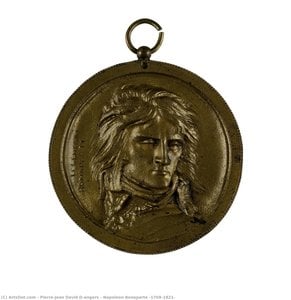
David d’Angers kūryba buvo neįtikėtinai įvairiapusis: ji apėmė statulas, bazreliefus, kilmus ir, svarbiausia, portretinius medalius. Jis turėjo ypatingą gebėjimą užfiksuoti ne tik fizinį panašumą, bet ir vidinę savo paveikslavimo subjektų charakteristiką. Jo portretai nebuvo tiesiog atvaizdai; jie buvo interpretacijos – prisipildytos orumo, išminties ir moralinės stiprybės jausmu. Tarp jo garsiausių kūrinių yra Luvre saugomas „Žaudotas Philopoemenas“, jautrus graikų generolo tragiškos судьos vaizdas, bei „Skausmas“ (La Douleur), demoniruojantis jo gebėjimą išreikšti emocijas. Tačiau būtent monumentalūs užsakymai tikrai užtvirtino jo reputaciją. Skulptūra Paryžiaus Panteone yra galbūt jo svarbiausias pasiekimas – platus alegorinis prancūziškos patriotinės dvasios ir intelektinės paveldos vaizdas. Kiti pastebiminti darbai apima Guglendo monumentą Strasbūre ir generalo Goberto žirgo vaizdą Père Lachaise kapinėse – abu yra įrodymas apie jo gebėjimą per skulptūrinę formą perteikti jėgą ir dinamiką. Jis taip pat sukūrė Lafayette bustą JAV Kongresui, kaip prancūziškos ir amerikietiško draugystės simbolį.
Nuolatinė įtaka: Palikimas ir istorinė reikšmė
Pierre-Jean David d’Angers buvo daugiau nei tik skulptorius; jis buvo savo laikų kūrinys – revoliucijos, imperijos ir restauracijos liudininkas. Jo menas atspindi politines ir intelektines sroves, kurios formavo XIX a. Prancūziją. Jis priėmė respublikinius idealus, švenčindamas figūras, į embodies drąsą, sąžiningumą ir pasižengimą viešajam tarnybos mokiniui. Nors tvirtai įsikibęs neoklasicizmo tradicijos, jo darbai taip pat iš anksto užsimėgino romantizmo atėjimą su jo pabrėžimu emocinio intensyvumo ir dramatiško pasakojimo. Jo įtaka išsiplėtė už skulptūros ribų, įkvėpdama daugybę menininkų kartų ir formuojant Prancūzijos vizualinį veidą. Šiandien jo kūriniai galima rasti žinomuose muziekuose visame pasaulyje, įskaitant The Walters Art Museum Baltimoroje ir The Metropolitan Museum of Art Niujorke. Musée David Angers tarnauja kaip specializuota jo meno vieta, saugojanti jo palikimą būsimoms kartoms. David d’Angers išlieka įtraukianti figūra – skulptorius, kuris ne tik užfiksavo herojų panašumą, bet ir įkūnijo visą epochą. Jo gebėjimas suderinti klasikinę formą su romantiniu išraiška šiandien vis dar sužavė auditoriją, patvirtindamas jo vietą kaip vieno svarbiausių ir ilgaamžių Prancūzijos menininkų.



 Perjungti į spausdinimą
 Siųsti
 Dalintis
 Išsamiau
 Gidas
Gidas

 Atsisiųsti
 Panašūs eksponatai
 Diaporama
 Statistika


 Rodyti daugiau






































 Stiklo variantas prieinamas tik pasirinkus dydį iki 110 cm