Šviesos Pamirštas Pasaulis: Pierre’o Bonnardo Žygytis
Pierre’as Bonnardas, gimęs 1867 metais Paryžiaus priemiestyje Fontenė prie Rozo, nebuvo skirtas meniško gyvenimo. Jo tėvas, aukšto rango Karo ministerijos pareigūnas, sūnui numatė teisės karjerą. Jaunas Pierre atkakliai sekė teisininkų kelią, 1888 metais įgijęs licenciją, tačiau jo širdis ilgosi kažko kito – spalvų ir formų viliojančio pasaulio. Ši dvejopumas, tarp lūkesčių ir aistros susidūrimas, subtiliai paveikė jo meninę kelionę, suteikdamas darbams unikalų jintymą. Jis pirmiausia bandėsi karikatūrų kūrime, lavindamas stebėjimo įgūdžius, kurie vėliau išaugo į nuostabiai atvaizduotus namų interjerus. Tačiau būtent Žiuljano akademijoje Bonnardas tikrai rado savo kelią, susitinkantis su bendamiais, kurie dalijosi jo augančiu nepritarimu akademinėms konvencijoms ir priėmė Paryžių apėmusį avangardinį dvasios. Šis susitikimas nuvedė jį į „Nabių“ grupę – menininkų, kurių tarpe buvo Maurice’as Denis, Paulius Sérusier ir Édouard Vuillard – kurie siekė įpūsti menui dvasingumo ir simbolizmo, peržengdami tiesioginį atvaizdavimą link vidinės patirties tyrinimo.
„Nabių“ Metai ir Jintymo Kultivavimas
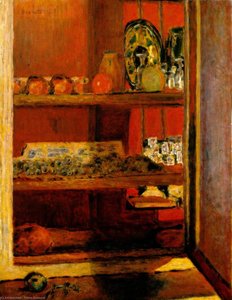
Bonnardo asociacija su „Nabiais“ buvo kertinis akmuo. Grupės pabrėžtas plokščias formas, ryškios spalvų paletės ir atsisakymas tradicinės perspektyvos giliai rezonavo su jo meniniais jausmais. Įkvėptas japonų gravūrų – jų elegantiškomis linijomis ir harmoninėmis kompozicijomis – bei simbolistinio judėjimo tyrimais dėl subjektyvių emocijų, Bonnardas pradėjo kurti savo unikalų stilių. Jis nebuvo suinteresuotas didžiosiomis naratyvomis ar istorinėmis alegorijomis; vietoj to jis pasuko į vidų, sutelkdamas dėmesį į kasdienio gyvenimo tylias akimirkas: moteris voniojasi, šeima susirenka prie vakarienės, saulėje pamirštas sodas. Tai nebuvo tik scenų atvaizdai, bet jausmų distiliatai – atminties ir atmosferos sukeliami įspūdžiai. Šis dėmesys jintymam pelnė jam „Intimist“ etiketę, terminą, puikiai apibūdinantį jo darbų emocinį atgarsį. Jo paveiklai ne apie *ką* yra pavaizduota, bet apie tai, *kaip jaučiasi* esant tądienio akimirkoje. Jis dirbo iš atminties, kruopščiai piešė ir tada persakydavo tuos įspūdžius ant drobės su nepaprastu jautrumu šviesai ir spalvai.
Spalva kaip Emojis: Spalvininkas Virtuoza
Bonnardo spalvų meistriškumas yra, be abejo, jo apibrėžiančia savybe. Jis ne tik *naudojo* spalvas; jis jį *jautė*, leisdamas jam diktuoti paveikslų nuotaiką ir atmosferą. Jo paletė buvo ryški, tačiau niuansuota, dažnai naudojant nuspėjimus spalvų derinius, kurie sukūrė spindinčio šviesumo jausmą. Jis garsiai perskaitė baigtus drobelius, subtiliai koreguodamas spalvas per kelis darbus, kad pasiektų tobulą harmoniją – tai bylojo apie jo įsipareigojimą spalviniam balansui. Tai nebuvo realistinis atvaizdavimas; tai buvo siekis užčiuopti subjektyvią spalvos patirtį, jos gebėjimą sužadinti emocijas ir atmintį. Jis atsisakė tiesioginės stebėjimo, pageidaujant dažniau piešti iš prisiminimų, leidžiantis į jo scenas įpūsti sapnų kokybę. Jo peizažai nebuvo tik vietų vaizdai, bet emociniai atsakymai į juos – filtruojami per asmeninės patirties prizmą.
Vėlesnis Gyvenimas ir Patalpintas Palikimas
Bonnardas subrendęs, jo meninis dėmesys vis labiau perkelti į spalvos ir šviesos tyrinimo kryptimi. Jis praleido vis daugiau laiko Pietų Prancūzijoje, sužavėtas Viduržemio jūros kraštovaizdžio ir jo intensyvaus šviesumo. Jo santykis su Marthe de Meligny, jo žmona ir nuolatinė mūza, išliko centrinis jo gyvenime ir darbe. Ji dažnai pasirodo jo paveiksluose, dažniausiai pavaizduota voniojantis arba užsiimanti kasdieniais darbais, jos buvimas spinduliuoja tylią malonę ir jintymą. 1912 metais jis įsigijo „La Roulotte“ Vernonete, netoliese Giverny, sukurdamas glaudžius ryšius su Claude Monet. Šis artumas Impresionizmo meistrui dar labiau paskatino Bonnardo tyrinimus dėl šviesos ir spalvos, nors jis visada išlaikė savo atskirą meninę viziją. Jis tęsė dažyti iki netrukus prieš mirtį 1947 metais, palikdamas kūrinių rinkinį, kuris ir toliau žavi ir įkvepia. Bonnardo įtaka vėlesnėms kartoms menininkų yra neatsiejama. Jo dėmesys subjektyviai patirčiai, spalvų meistriškumas ir kasdienybės šventimas paliko nenusakomą pėdsaką moderniajame mene. Jis parodė, kad grožį galima rasti ne didžiose gestuose ar herojiniuose pasakojimuose, bet kasdieniame gyvenime – pamirštas šviesoje ir įkvėptas emocijomis.
Žymūs Darbai & Kolekcijos
- Moteris Žiūrėdama Į Raštus (1890): Ankstyvas pavyzdys jo „Nabių“ įtakoto stiliaus, kuriame parodytos plokščios formos ir ryškūs spalvų deriniai.
- Valgomasis (1913): Tipinis Intimist scenas, užčiuopiantis namų gyvenimo šilumą ir jintymą.
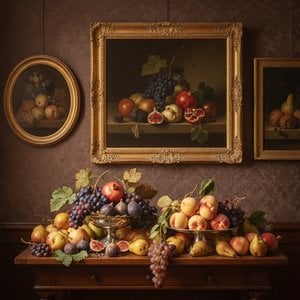
- Vaisinė Dubenėlė (apie 1933 m.): Parodo jo stilizavimo meistriškumą, ryškiomis spalvomis ir spindinčio gylio jausmu.
- Almondo Medis Žydėjimo (1947): Vienas iš paskutinių paveiklų, baigtas likus vos keletui dienų iki jo mirties, parodydamas jo nuolatinį tyrinimus dėl šviesos ir spalvos.
Bonnardo darbai galima rasti įtakinguose muziejuose visame pasaulyje, įskaitant:
- Musée Marmottan Monet, Paryžius, Prancūzija
- Art Institute of Chicago
- Museum of Modern Art, Niujorkas
- Tate Modern, Londonas
Jo palikimas tęsiasi kaip liudijimas spalvos, šviesos ir kasdienio gyvenimo amžinojo grožio galiai.



 Peržiūrėti realybėje
 Perejti prie spausdinimo
 Pasidalinti
 Dalintis
 Išsamiau

 Atsisiųsti
 Panašūs eksponatai
 Rentgeno nuotrauka
 Automatinė diorama
 Statistika


 Skaityti daugiau






































 Stiklo variantas prieinamas tik pasirinkus dydį iki 110 cm