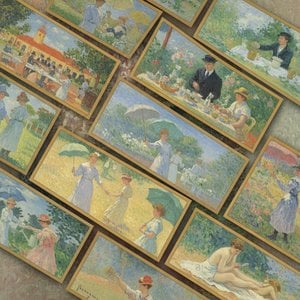
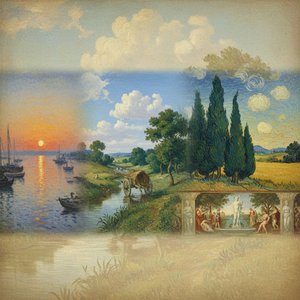
Pjero Ogusto Renaro: Šviesos ir Džiaugsmo Simfonija
Gimė 1841 m. vasario 25 d. Limuže, Prancūzijoje, Pjero Ogusto Renaras – tai menininko kelionės istorija nuo kuklių porceliano dailininko pradžių iki tapybos meistro, kuris įkūnijo impresionizmo esmę. Jo ankstyvieji metai, praleisti Paryžiuje su šeima, ieškant ekonominių galimybių, formavo jo meninę jautriąją pusę. Veršantis miestas, kupinas gyvybingo gatvės gyvenimo ir įvairių žmonių, tapo daugelio vėlesnių darbų įkvėpimu. Iš pradžių mokykloje dirbdamas porceliano dailininku – praktinis būdas patenkinti finansinius poreikius – jaunas Renaras rādavo pasislėpdamas muziejuje Liuve, kruopščiai studijuodamas Senosios Meistrų kūrybą ir ugdydamas grožio suvokimą, kuris tapo jo stiliaus požymiu. Šis ankstyvas susidūrimas su menu uždegė jame aistrą, pranokusią paprastą meistriškumą; tai buvo pašaukimas įamžinti šviesos ir gyvenimo nepalioviai kintančias savybes ant drobės. Vėliau jis įstojo į Čarlzo Gleiro studiją, kur užmezgė draugystę su būsimaisiais impresionistų judėjimo lyderiais Klodu Monė, Alfredu Sisleiu ir Frederiku Baziliu – lemiamas momentas, padėjęs pagrindą visam meniniam stiliui.
Nuo Realizmo iki Šviesaus Impresionizmo
Renaro meno raida buvo nuostabi transformacija, paveikta įvairių meistrų. Iš pradžių jis prisiartėjo prie Gustave Courbet ir Édouard Manet realizmo, vertindamas jų atsidavimą vaizduoti šiuolaikinį gyvenimą sąžiningai ir tiesiogiai. Tačiau būtent Peterio Paulo Rubenso ir Žano-Antuano Vato dvelkianti paletė bei jausmingos formos tikrai jį sužavėjo, įskiepydamos jo darbams gilią grožio vertinimo dozę ir polinkį vaizduoti džiaugsmo ir laisvalaikio scenas. Šie ankstyvieji įtaka susijungė, kai Renaras pradėjo formuoti savo unikalų stilių, pasižymintį ryškiomis spalvomis, sulaužytais potėpiais ir dėmesiu sutartinai sugauti šviesos nepalioviai kintančių efektų. Dalyvavimas 1874 m. pirmojo impresionistinio parodymo buvo lūžio momentas, nors iš pradžių susilaukė kritikos iš tradicinių meno ratų. Šis drąsus žingsnis paskelbė atsisakymą nuo akademinių konvencijų ir naujos meninės vizijos priėmimo – vienos, kuri siekė ne tik tai, ką mato akys, bet ir kaip jaučiasi patiriant tam tikrą momentą. Tokie paveikslai kaip
Šokiai „Le Moulin de la Galette“ (1876) puikiausiai iliustruoja šį požiūrį, panardinant žiūrovus į Paryžiaus naktinio gyvenimo gyvybingą atmosferą su dryžuotu saulės šviesa ir džiaugsmingais veikėjais.
Užfiksuojant Gyvenimo Nepalioviai Kintančius Momentus: Pagrindiniai Darbai ir Temos
Renaro kūrinys yra gyvenimo paprastų malonumų šventė – intymūs susitikimai, saulės pamirštos pakrantės ir žmogaus formos spindesio grožis.
Palasūdinimas laivuose (1880–81) galbūt yra vienas iš jo labiausiai žinomų darbų, kuriame vaizduojama draugiška grupė mėgaujasi atsipalaiduojančiu popietės momentu ant Senos. Paveikslas yra meistriškumo pamoka, kaip užfiksuoti šviesą ir judesį, veikėjai prausti šiltais saulės spinduliais, o atspindžiai mirguliuoja vandenyje.
Po vonios (1885–87) parodo Renaro išskirtinį įgūdžių moters nuotakos vaizdavime, pabrėžiant subtilias odos spalvas ir gražias pozas. Jo paveikslai nėra tik realybės atvaizdai; jie yra persunktinti šilumos, intymumo ir džiaugsmo jausmu, kuris giliai rezonuoja su žiūrovais. Jis nebuvo įsitikinęs didžiulių istorinių pasakojimų ar dramatiškų alegorijų vaizdavimu; vietoj to jis sutelkdavo dėmesį į kasdieniame gyvenime slypinčio grožio užfiksavimą, paaukštindamas paprastus momentus į meno kūrinius.
Šokiai Bougival, dar vienas garsus kūrinys, parodo jo gebėjimą sugauti nepalioviai kintančių įspūdžių ir atmosferos efektų, sukurti judesio ir spontaniškumo jausmą.
Pokyčiai Link Formos ir Struktūros: Vėlesni Metai ir Palikimas
1890-ųjų dešimtmetyje Renaro stilius patyrė reikšmingų pokyčių. Nors jis niekada visiškai neatmetė savo impresionistinių šaknų, jis pradėjo krypti link labiau skulptūrinio ir klasikinio požiūrio, įkvėptas kelionių į Italiją ir atnaujinto formos bei struktūros susidomėjimo. Šis pokytis buvo dalinai paskatintas ir fiziniais apribojimais – artritas palaipsniui sumažino jo mobilumą, priversdamas jį prisitaikyti prie savo technikos. Nepaisant šių iššūkių, Renaras toliau tapė su nepajudinamam atsidavimu, sukurdamas kūrinius, pasižymėjusius pilnesniais figūrų siluetais ir šiltesne palete. Jo vėlesni paveikslai dažnai atspindi labiau apmąstymo nuotaiką, tačiau jie išlaiko tą pačią esminę grožio šventimo temą, kuri apibrėžė jo ankstyvąjį darbą. Be meninių pasiekimų, Renaro palikimas tęsiasi per jo šeimą; sūnus Žanas Renaras tapo garsiu režisieriumi, perduodamas kūrybiškumo dvasią tarp kartų. Pjero Ogusto Renaras mirė 1919 m., palikęs ilgai trunkantį darbų rinkinį, kuris ir toliau įkvepia ir džiugina publikas visame pasaulyje. Jis išlieka vienu mėgstamiausių figūrų meno istorijoje, šlovinamas dėl savo gebėjimo užfiksuoti gyvenimo džiaugsmą ir žmogaus patirties grožį nepriekaištinga jautrumu ir malone.
Amžinas Įtaka
- Renaro įtaka vėlesnėms menininkų kartoms neatsiejama. Jo dėmesys šviesai, spalvai ir nepalioviai kintančių momentų užfiksavimas atidarė kelią daugeliui moderniųjų meninių judėjimo krypčių.
- Jo grožio ir jausmingumo šventė iki šiol rezonuoja su publikomis visame pasaulyje, todėl jo darbai yra visuotinai patrauklūs.
- Jis atliko lemiamą vaidmenį įtvirtinant impresionizmo kaip svarbų faktorių meno istorijoje, iššaukdamas tradicinius konvencijų ir atverdamas naujas galimybes meninei raiškai.
- Jo paveikslų nuolatinis populiarumas – daugybė plakatų, kalendorių ir kitos prekės – liudija jo darbo amžiną kokybę.



 Peržiūrėti realybėje
 Switch to Print
 Pasidalinti
 Dalintis
 Išsamiau

 Atsisiųsti
 Panašūs eksponatai
 Rentgeno nuotrauka
 Automatinė diorama
 Stats
Stats
 Skaityti daugiau






































 Stiklo variantas prieinamas tik pasirinkus dydį iki 110 cm