Šviesos ir šešėlio išgraviruotas gyvenimas: Gustavo Dorė pasaulis
Paulius Gustavas Liudvikas Kristofas Dorė, žinomas visam pasauliui kaip Gustavs Dorė, buvo figūra, kuri sujungė iliustracijos, tapybos ir skulptūros pasaulį su stebinančiu virtuozizmu. Gimęs Strasbure, Prancūzijoje, sausio 6-ąją, 1832 metais, jo gyvenimas susidūrė su dideliais socialiniais ir meniniais pokyčiais – laiku, kai romantizmas vis dar dominuodavo, bet atsisakydamas naujų realizmo ir simbolizmo srovių. Dar vaikystėje Dorė pademonstruotų ankstyvą talentą, ne tik piešime – kurį jis pradėjo labai jauname amžiuje – bet ir asmenybę, kuri numatė dramatišką polinkį, apibūdinusį jo darbą. Pasakojimai apie jauno žmogaus triukus bylojo apie subrendimą, pranokstantį metus, pranašaujant sudėtingas ir dažnai melancholiškas temas, kurios persmelktų jo meną. Jis pradėjo savo profesionalią karjerą nepaprastai anksti, vos penkerių metų amžiaus, kaip karikatūristas Prancūzijos žurnalui *Le Journal pour rire*, ugdydamas savo įžvalgos ir kompozicijos įgūdžius Paryžiaus satyros kaitinimosi pasaulyje.
Nuo Karikatūrų iki Literatūros Gigantų: Ilustruotojo Kilimas
Dorė ankstyvosios užsakomosios darbo linijos padėjo pagrindą jo būsimajai šlovei. Tokie darbai kaip *Les Travaux d'Hercule* (1847), *Trois artistes incompris et mécontents* (1851) ir *Les Dés-agréments d'un voyage d'agrément* (1851) parodė augantį talentą dinamiškoms kompozicijoms ir meistriškam šviesos bei šešėlio naudojimui, netgi šiems santykinai kukliems pradžioms. Jis buvo giliai įkvėptas J.J. Grandville iliustracijų, kurių fantastiniai vaizdai ir satyrinis kraštovaizdis atitiko Dorė savo besivystančio stiliaus esmę. Tačiau būtent bendradarbiavimas su literatūros gigantais padėjo Dorė pasiekti didžiausią populiarumą. 1853 metais jis gavo užsakymą iliustruoti Lordo Byron darbų, įvykį, kuris atidarė duris į tolesnius prestižinius projektus. Sekėsi monumentalus Biblijos iliustracijų darbas – projektas, kuris padėtų įtvirtinti jo reputaciją ir pristatytų jo meną plačiam tarptautiniam publikumui. Jo iliustracijos Cervanteso *Don Quixote* 1860-aisiais metais buvo ypač reikšmingos, giliai paveikusios vėlesnes personažų ir pasakojimo interpretacijas. Jis ne tik iliustravo šiuos kūrinius; jis juos peržiūrėjo, įliejant dramatišką intensyvumą, kuris sužavėjo skaitytojų vaizduotę visame pasaulyje. Didelio tiražo Edgaro Alano Poe “The Raven” iliustracijos, baigtos 1883 metais, uždirbo jam įspūdingus 30 000 frankų iš Harper & Brothers, rodant komercinį sėkmę šalia meninės garbės, kurią jis pasiekė. Jo bendradarbiavimas su Blanchard Jerrold dėl *London: A Pilgrimage* (1872) buvo ypač jautrus ir kontroversiškas darbas, vaizduojantis Viktorijos Londono skurdo šiurkščią realybę ir sukėlusis diskusijas apie socialines sąlygas.
Technikos meistras: Medžio raižinys ir Romantinis Vizija
Dorė meninė išmone ne tik jo vaizdų kūrime, bet ir techniniame meistriškume, ypač medžio raižinyje, slypi. Jis turėjo nepaprastą gebėjimą kurti itin detalius ir dramatiškus vaizdus šiuo būdu, įgūdžiu, kuris leido jo darbų masinę gamybą ir plačią pasklaidą. Jo kompozicijos pasižymi dinamiškumu, stipriomis šviesos ir šešėlio kontrasto – technika, žinoma kaip chiaroscuro – ir didingumo jausmu, kuris dažnai sukelia nuostabos arba net baimės pojūtį. Jis dažnai naudojo bloką išpjaunančių meistrų komandą, kad paverstų savo dizainus medžio raižiniais, leisdama efektyviai pagaminti reikiamą kiekį norint patenkinti leidėjų ir skaitytojų poreikius. Jo stilius tvirtai įsišaknijęs romantizmo tradicijoje, pabrėžiant emocijas, vaizduotę ir didingumą – susižavėjimą gamtos pergalės galia ir žmogaus būkle. Jis ne tik užrašinėjo scenas; jis jas interpretavo iš aukštinančio emocionalumo ir dramatiškos aistros perspektyvos. Šis požiūris, nors daugelio vertintas, sukėlė kritiką kai kuriems šiuolaikininkams, kurie rado jo darbą pernelyg teatrališką arba sensacingą.
Palikimas ir Nuolatinis Įtaka
Gustavas Dorė gavo garbę būti paskirtas Chevalier de la Légion d'honneur Prancūzijos vyriausybės 1861 metais, liudijant jo augančią pripažinimą meninių ratų tarpe. Tačiau jo tikrasis palikimas išsiskiria toli už apdovanojimų ir garbės. Jo iliustracijos turėjo didelį poveikį vizualinei kultūrai, įkvėsdamos artistas ir skaitytojus per kartas. Vincentas van Gogas buvo tarp tų, kurie giliai įkvėpti Dorė darbo, ypač jo skurdo ir vargų vaizdų, atpažindamas juose bendrą jautrumą žmogaus bėdams. Nepaisant kai kurių kritikų per savo gyvenimą – kai kurie rado jo stilių pernelyg dramatišką arba subtilų – Dorė darbai dabar šveniami dėl jų meninės vertės ir istorinės svarbos. Jo iliustracijos toliau formuoja mūsų supratimą apie klasikinius literatūros kūrinius ir Viktorijos visuomenę, siūlomos galios vizualinė interpretacija amžinų istorijų ir temų. Jis mirė sausio 23 dieną, 1883 metais, palikęs didelį darbų korpusą, kuris toliau žavi ir įkvepia.
Jo menas išlieka liudijimu iliustracijos galiai ne tik pavaizduoti, bet ir interpretuoti bei transformuoti pasaulį aplink mus.
Pagrindiniai darbai
- Londono gėlių pardavėjai (1875): Jautrus Viktorijos skurdo ir atsigavimo vaizdas, kuriame pabrėžiamos šeimos ryšys sunkumų akivaizdoje.
- Krikščionių kankiniai: Dramatiškas meistriškumas, vaizduojantis tikėjimo ir persekiojimo su stipria emocija.
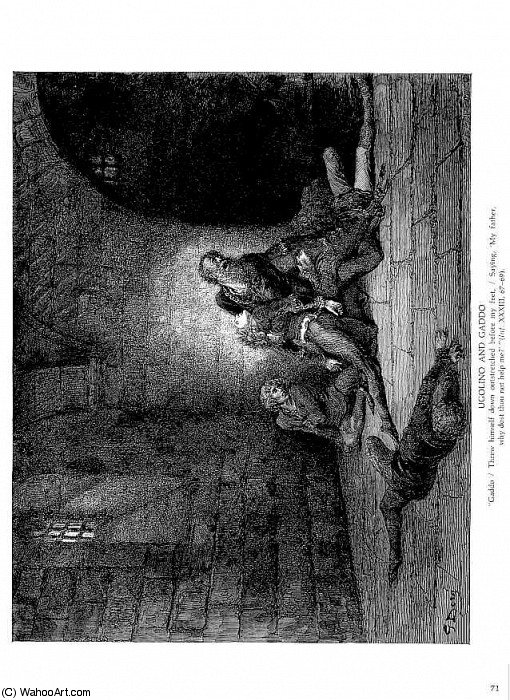
- Iliustracijos Dante’s Inferno: Galbūt jo labiausiai žinomas darbas, šie raižiniai atnešė Danto pragaro siaubingus vaizdus neprieinamą intensyvumą.
- Iliustracijos Miltono Paradise Lost: Dorė interpretacija šio epinio poemos yra žinoma dėl savo didingumo ir dramatiškos aistros.
- Begalinis Žydas (1856): Populiarus darbas, nors jis turi antisemitinių atspalvių, atspindinčių tuometinį laiką.


 Peržiūrėti realaus dydžio版
 Pirkti rankomis tapytą reprodukciją
 Siųsti
 Dalintis
 Išsamiau
 Gidas
Gidas

 Atsisiųsti
 Panašūs eksponatai
 Rentgeno spindulių nuotrauka
 Diaporama
 Statistika
 Rodyti daugiau






































 Stiklo variantas prieinamas tik pasirinkus dydį iki 110 cm


