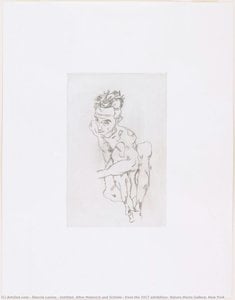
Šiame puslapyje rodomas meno kūrinys yra saugomas autorių teisių įstatymais, todėl neturime teisės legaliai kurti ar parduoti jo identiškos reprodukcijos. Ši apsauga užtikrinama remiantis tokiais tarptautiniais susitarimais kaip Bernės konvencija ir pagal nacionalines įstatymų nuostatas, įskaitant tas, kurias nurodo JAV autoriškos teisės įstatymas – 17-asis skyrius.
Šis metodas visiškai atitinka autorių teises, nes jame nėra saugomo kūrinio kopijavimo ar dubliavimo. Tai yra kūrybinė reinterpretacija – naujas paveikslas, kurį įkvėpė originalas, tačiau kuris nėra jo identiškas.
Muziejų lygio „giclée“ arba drobos spausdinimas: greita gamyba ir lankstios apdailos parinktys. ( Pirkti rankų darbo tapybą Perejti prie skaitmeninių vaizdų)





























Pasirinkite iš mūsų nustatytų dydžių, atitinkančių originalaus meno kūrinio proporcijas.

Įveskite jums reikiamą plotį ir aukštį, kad atvaizdas derėtų prie jūsų rėmo ar sienos. Spausdiną galima tik sumažinti, bet nepadidinti virš originalaus paveikslėlio dydžio, todėl keičiant proporcijas, dalis vaizdo prarandama. Prieš spausdinimą atsiųsime jums skaitmeninį maketą patvirtinimui. Šioje puslapio nuotraukoje matomas pjūvis nėra tikslus – jį rodo tik maketas.
Pristatymas visame pasaulyje () per 2 weeks, o ne įprastas 4/5 savaičių laikotarpis. (8 lapkritis)
Three ballerinas
Reprodukcijos matmenys
In the quiet, monochromatic depths of Pablo Picasso’s 1919 masterpiece, Three Ballerinas, we encounter a moment where the elegance of classical dance meets the radical disruption of the modern age. This exquisite pencil drawing serves as a profound window into the artist's transformative years, capturing a period when he was actively dismantling the boundaries of traditional representation. The artwork does not merely depict three dancers; it orchestrates a visual dialogue between movement and stillness, grace and geometry. As the eye wanders across the paper, one is struck by the way Picasso uses the language of Cubism to deconstruct the human form, turning the fluid motion of ballet into a captivating arrangement of intersecting planes and rhythmic lines.
The composition is masterfully anchored by a triangular arrangement that guides the viewer through a landscape of shifting perspectives. The ballerinas, poised in dynamic and athletic stances, are not rendered with the soft, idealized realism of the past; instead, they are reimagable as architectural elements of a larger, more complex truth. Picasso’s use of fragmentation allows us to perceive multiple viewpoints simultaneously, a hallmark of his revolutionary style. Amidst this dance of forms, a subtle yet poignant inclusion of a clock in the upper right corner introduces a temporal dimension, reminding us that even the most breathtaking moment of performance is subject to the relentless passage of time.
Technically, Three Ballerinas is a triumph of tonal nuance and textural depth. Eschewing the distraction of color, Picasso relies entirely on a sophisticated palette of grays, ranging from the deepest, most velvety blacks to the lightest, ethereal whites. This monochromatic approach lends the piece a stark, dramatic intensity that is particularly suited for high-end interior curation. Through the meticulous application of hatching and cross-hatching, the artist breathes life into the paper, creating a sense of volume and weight within the dancers' limbs while simultaneously capturing the delicate, airy quality of their costumes.
The interplay of line weights is nothing short of poetic. Bold, decisive strokes delineate the structural essence of the figures, providing a skeletal strength to the composition, while softer, more delicate marks suggest the flowing fabric of the tutus and the subtle musculature of the dancers. For the discerning collector or interior designer, this piece offers a unique versatility; its sophisticated grayscale tones allow it to integrate seamlessly into both minimalist modern galleries and richly textured, classical spaces. It is an artwork that does not demand attention through loudness, but rather commands it through a quiet, intellectual complexity that rewards repeated observation.
Beyond its formal brilliance, the emotional impact of Three Ballerinas lies in its ability to evoke the tension between stability and change. To possess or display such a work is to invite a piece of art history's most significant revolution into one's environment. The deconstruction of the dancers symbolizes a broader cultural shift—the breaking away from old certainties toward a more fragmented, multifaceted understanding of reality. It is an evocative piece that speaks to themes of athleticism, beauty, and the ephemeral nature of life.
For those seeking to adorn a space with art that inspires deep thought and aesthetic pleasure, this reproduction offers a rare opportunity to engage with the spirit of Picasso at his most experimental. Whether placed as a focal point in a contemporary study or used to add a layer of historical depth to a sophisticated living area, Three Ballerinas remains a timeless testament to the power of movement, the precision of line, and the enduring legacy of the Cubist movement.
„Three ballerinas“ – Pablo Pikaso perteikia Melancholic emocinę nuotaiką.
„Three ballerinas“ – Pablo Pikaso šviesos intensyvumas yra Luminous. Šviesos intensyvumas apibūdina, kiek šviesos, kaip atrodo, atspindi spalvos.
Kūrybinėje darbe „Three ballerinas“ Pencil technika susilieja su Cubist Influence kryptimi.


1881 - 1973 , Ispanija
Journey through the vibrant world of Cubist Expressionism. Explore 10 iconic masterpieces, their bold techniques, and the stories behind these timeless works. Find museum-quality art reproductions and decor inspiration for your space. Discover all masterpieces on WahooArt.com.

Journey through the revolutionary world of Cubism. Explore 10 iconic masterpieces by legends like Picasso and Braque that redefined modern art. Find inspiration for your collection with our museum-quality reproductions. Discover all masterpieces on WahooArt.com.

Explore the profound evolution of Cubist landscapes. Discover how masters like Braque and Picasso redefined perspective through geometric mastery, transforming nature into an intellectual mosaic of form and light for the discerning modern art collector.
 Peržiūrėti realaus dydžio版
 Pasidalinti
 Dalintis
 Išsamiau
 Vadovas

 Atsisiųsti
 Panašūs eksponatai
 Rentgeno spindulių nuotrauka
 Automatinė diorama
 问答
问答
 Statistika

 Skaityti daugiau









 Stiklo variantas prieinamas tik pasirinkus dydį iki 110 cm