

Šiame puslapyje rodomas meno kūrinys yra saugomas autorių teisių įstatymais, todėl neturime teisės legaliai kurti ar parduoti jo identiškos reprodukcijos. Ši apsauga užtikrinama remiantis tokiais tarptautiniais susitarimais kaip Bernės konvencija ir pagal nacionalines įstatymų nuostatas, įskaitant tas, kurias nurodo JAV autoriškos teisės įstatymas – 17-asis skyrius.
Šis metodas visiškai atitinka autorių teises, nes jame nėra saugomo kūrinio kopijavimo ar dubliavimo. Tai yra kūrybinė reinterpretacija – naujas paveikslas, kurį įkvėpė originalas, tačiau kuris nėra jo identiškas.
Muziejų lygio „giclée“ arba drobos spausdinimas: greita gamyba ir lankstios apdailos parinktys. ( Pirkti rankų darbo tapybą Perejti prie skaitmeninių vaizdų)





























Pasirinkite iš mūsų nustatytų dydžių, atitinkančių originalaus meno kūrinio proporcijas.

Įveskite jums reikiamą plotį ir aukštį, kad atvaizdas derėtų prie jūsų rėmo ar sienos. Spausdiną galima tik sumažinti, bet nepadidinti virš originalaus paveikslėlio dydžio, todėl keičiant proporcijas, dalis vaizdo prarandama. Prieš spausdinimą atsiųsime jums skaitmeninį maketą patvirtinimui. Šioje puslapio nuotraukoje matomas pjūvis nėra tikslus – jį rodo tik maketas.
Pristatymas visame pasaulyje () per 2 weeks, o ne įprastas 4/5 savaičių laikotarpis. (8 lapkritis)
Still-Life
Reprodukcijos matmenys
Pablo Picasso's “Still Life,” painted circa 1931, stands as a testament to the artist’s masterful command of Cubist principles while simultaneously conveying a profound sense of quiet contemplation. This deceptively simple composition—a tabletop adorned with apples, oranges, bananas, vases, and a potted plant draped beneath a crimson cloth—is far more than just an arrangement of objects; it is a deliberate investigation into the nature of perception and representation itself. Picasso’s approach aligns closely with the burgeoning Naive Art movement of his time, yet distinguishes itself through the subtle complexities inherent in its geometric dissection.
The painting presents a captivating scene where the organic meets the structured. The table holds two bowls filled with fruit, including apples and oranges, alongside three bananas placed thoughtfully across the surface. Interspersed among these natural elements are two vases, one positioned near the center and another towards the right, while a potted plant sits behind the table to add a touch of greenery. A bold red cloth is draped over the table, providing a striking visual anchor that injects warmth and passion into a palette otherwise dominated by muted greens and browns.
In this work, Picasso’s signature Cubist style is evident in the fractured planes that define each element within the scene. Rather than striving for realistic depiction, he dismantles objects into their constituent parts and reconstructs them simultaneously from multiple viewpoints, challenging traditional artistic conventions to prioritize conceptual exploration over visual accuracy. To achieve this, the artist employed oil paint on canvas with meticulous attention to detail, utilizing a layering process of thin glazes upon thicker undercoats to create remarkable tonal depth and luminosity. The careful manipulation of light creates shadows that accentuate the contours of each fruit and vase, contributing significantly to the overall visual impact.
Beyond its purely aesthetic qualities, “Still Life” carries profound symbolic weight. The fruit itself serves as a meditation on themes of life and decay: apples represent knowledge and temptation, while oranges symbolize optimism and vitality. These elements intertwine with the geometric precision of the composition to evoke a mood of serene introspection, inviting viewers to contemplate the beauty inherent in everyday objects. This mastery of color and form transcends mere representation; it aims to elicit an emotional response, using subdued hues to foster a sense of stillness and tranquility regarding the passage of time and the fragility of existence.
For the contemporary collector or interior designer, this piece offers unparalleled inspiration. The muted color palette and geometric composition serve as a valuable source for creating spaces characterized by understated elegance and intellectual curiosity. Whether viewed as a window into Picasso’s Surrealist phase or as a masterclass in structural rigor, this painting remains a powerful reminder that art can communicate profound ideas through deceptively simple visual language.
Kūryboje „Still-Life“ – Pablo Pikaso Cubist Still Life kryptis susilieja su Modernizmas laikotarpiu.
„Still-Life“ – Pablo Pikaso yra vis dar saugoma autorineje teisėje. Šis statusas nustato, kaip galima reprodukcijaus šio kūrinio vaizdą.
„Still-Life“ – Pablo Pikaso spalvų kompozicijoje Statement kontrastas susilieja su Softly Mixed Palette harmonija.


1881 - 1973 , Ispanija
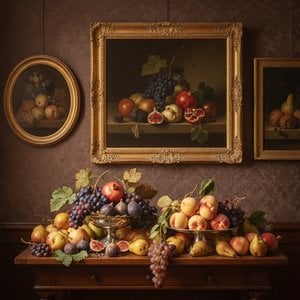
Discover the profound beauty of fruit still life paintings. Explore the rich symbolism, Baroque mastery, and timeless allure of nature's bounty through an art-historical lens, perfect for collectors and enthusiasts of classical fine art.

Explore the profound beauty of fruit arrangement masterpieces. From Dutch Golden Age opulence to Baroque chiaroscuro, discover the art history, symbolism, and timeless elegance of classical still life paintings for the discerning collector.

Explore the profound evolution of Cubist still life, from Cézanne's structural foundations to the fragmented brilliance of Braque and Léger. Discover how geometric abstraction redefined reality through a sophisticated lens of form, color, and modern artistic mastery.
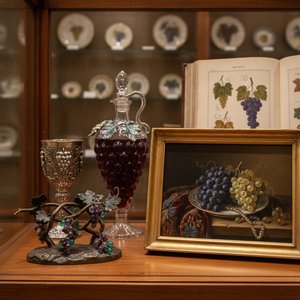
Embark on a visual journey through the world's most exquisite grape-themed masterpieces. Discover the technical brilliance of Baroque masters and learn how to curate timeless, hand-painted oil reproductions for your luxury collection with WahooArt.com.
 Peržiūrėti realaus dydžio版
 Pasidalinti
 Dalintis
 Išsamiau
 Vadovas

 Atsisiųsti
 Panašūs eksponatai
 Rentgeno spindulių nuotrauka
 Automatinė diorama
 问答
问答
 Statistika

 Skaityti daugiau









 Stiklo variantas prieinamas tik pasirinkus dydį iki 110 cm


