Ankstyvas gyvenimas ir karo šešėlis
Vilhelmas Heinrichas Otto Dix, gimęs 1891 metais Untermhaus kaime Vokietijoje, užaugo aplinkoje, persmeltoje pramonės darbo ir tylios artistinės troškimo. Jo tėvas sunkiai dirbo geležies liejykloje darbininku, o motina puoselėjo poetišką dvasią, sukuriant namų atmosferą, kuri subtiliai skatino jaunojo Otto kūrybinius polinkius. Svarbiausia buvo jo pusbrolio, tapytojo Fritzo Amanno įtaka, kuri išties uždegė Otto ambicijas. Valandos, praleistos Amanno studijoje nebuvo tik technikos pamokos; tai buvo pasinėrimas į pasaulį, kur meninis reiškinys turėjo apčiuopiamą galią. Ši ankstyva patirtis lėmė mokymąsi pas Carl Senff ir vėliau studijas Dresdene esančioje Kunstgewerbeschule, nors iš pradžių dėmesys buvo skiriamas taikomajai meninei veiklai, o ne grynajam tapybos menui. Tačiau būtent Pirmojo pasaulinio karo katastrofa neišvengiamai pakeitė Otto meno kryptį. Savanoriškai tarnavęs kariuomenėje, jis patyrė brutalų tranšėjų karo realumą iš pirmų rankų – traumą, kuri dešimtmečius kankins jo darbus. Siaubas, liudytas Somos ir Flandrijos mūšiuose, paliko neištrinamą pėdsaką, paversdama perspektyvų kraštovaizdžio tapytoją į žmogaus kančių ir visuomenės nuosmukio kronikininką.
Veimaro Respublika ir Naujasis objektyvizmas
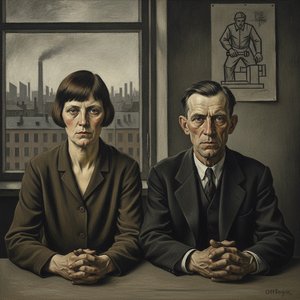
Grįžęs iš karo visiškai pasikeitęs, Dix kanalizavo savo patirtis į atšiaurius jo pasekmių vaizdus. Jo ankstyvieji pokario darbai atspindėjo ekspresionistines tendencijas, tačiau netrukus jis ėmė linkti naujos estetikos – *Naujojo objektyvizmo*. Ši judėjimas atmetė emocinį abstrakcionizmą ir pasirinko griežtą realizmą bei kritinę socialinę komentarą. Dix tapo vienu iš pagrindinių šio judėjimo lyderių kartu su George Grosz ir Max Beckmann. Paveikslai, tokie kaip „Tranšėja“ (1923), sukėlė visuomenės pasipiktinimą dėl grafiško nupieštų sunaikintų kūnų vaizdavimo, priversdami muziejus slėpti darbus nuo visuomenės akių. Tai nebuvo tik šoko efektas; tai buvo sąmoningas bandymas priversti žiūrovus susidurti su brutalia karo tiesa, pašalinti bet kokius romantizuotus didvyriškumo ar šlovės įvaizdžius. Jis nesibijo vaizduoti fizinių ir psichologinių žaizdų, padarytų kareiviams, taip pat ignoravo visuomenės abejingumą jų likimui. Jo paveikslų serija „Karo invalidai“ dar labiau pabrėžė šią temą, vaizduodamas veteranus, apleistus ir pamirštus visuomenės, norinčios kuo greičiau judėti toliau. Be karo, Dix nukreipė savo dėmesį į Veimaro Vokietijos pertekliaus ir moralinį bankrotą. „Metropolis“ (1928) yra griežta urbaninio gyvenimo kritika, kupina scenų su nuopuoliu, prostitucija ir socialine atskirtimi. Jo portretai iš šio laikotarpio taip pat yra be kompromisų, fiksuodami eros elito cinizmą ir dekadenciją.
Politinis neramumas ir vėlesni metai
Kai Vokietija 1930-aisiais pradėjo grimsti į politinį neramumą, Dix vis dažniau tapo nacistų režimo taikiniu. Jo menas buvo paskelbtas „degeneratyviu“, o 1933 metais jis buvo atleistas iš mokytojo pareigų Dresdene esančioje meno akademijoje. Susidūręs su persekiojimu ir cenzūra, Dix palaipsniui atsisakė aiškiai politinių temų, pasirinkdamas kraštovaizdžius ir religinius motyvus – strateginį sprendimą savisaugai. Tačiau net šie vėlesni darbai išlaikė tam tikrą įtampą ir nerimą. Antrojo pasaulinio karo metu jis buvo pašauktas į Vokietijos kariuomenę, patirtis, kuri dar labiau sustiprino jo antikarinę poziciją. Po karo Dix sulaukė naujo pripažinimo ir pagarbos, nors abiejų konfliktų trauma visada atsiliepė jo darbuose. Jis tapo gerbiamu postkarinės Vokietijos veikėju, tačiau niekada visiškai neišvengė karo patirties šešėlio.
Palikimas ir meninis poveikis
Otto Dix palikimas yra daugiabriautis ir įsimintinas. Jis išlieka vienas svarbiausių XX amžiaus vokiečių tapytojų, garsėjantis savo kompromisiniu realizmu, griežta socialine kritika ir atšiauriu žmogaus kančios vaizdavimu. Jo įtaka matoma vėlesnių kartų menininkų darbuose, kurie siekė susidurti su sunkia tiesa ir mesti iššūkį visuomenės normoms.
Dix gebėjimas derinti techninį meistriškumą su emociniu intensyvumu jį skiria; jis ne tik dokumentavo realybę, bet ir interpretavo ją per empatijos ir moralinio pasipiktinimo prizmę. Jo tyrinėtos temos, tokios kaip karas, trauma, socialinis neteisingumas ir žmogaus būtis, tebevilioja publiką šiandien. Jis parodė, kad menas gali būti tiek estetiškai galingas, tiek politiškai įsitraukęs, tarnaudamas kaip stipri socialinių pokyčių jėga.
- Dix darbai eksponuojami pagrindiniuose muziejuose visame pasaulyje, įskaitant Niujorko šiuolaikinio meno muziejų ir Suermondt-Ludwig muziejų Vokietijoje.
- Jo graviūros, ypač „Karas“, laikomos grafikos meno šedevrais.
- Jis išlieka esminis veikėjas suprantant Veimaro Vokietijos meninį ir socialinį kraštovaizdį.
Dix menas primena karo siaubus ir žmogaus egzistencijos trapumą – tai jo drąsos, vizijos ir nuolatinio įsipareigojimo tiesai liudijimas.



 Peržiūrėti realaus dydžio版
 Perjungti į spausdinimą
 Siųsti
 Dalintis
 Išsamiau
 Gidas
Gidas

 Atsisiųsti
 Panašūs eksponatai
 Rentgeno spindulių nuotrauka
 Diaporama
 Statistika


 Rodyti daugiau






































 Stiklo variantas prieinamas tik pasirinkus dydį iki 110 cm