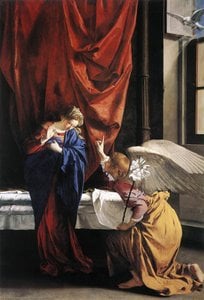
Madonna by Orazijas Džentileškis, hand-painted oil painting reproduction by a master artist
Peržiūrėti realaus dydžio版 Peržiūrėti AR realybėje Perjungti į spausdinamus版作品 Perejti prie skaitmeninių vaizdų Pasidalinti
Išsamiau Vadovas Pridėti į mėgstamiausius Atsisiųsti Panašūs eksponatai Rentgeno spindulių nuotrauka Automatinė diorama Q&A Statistika

Madonna Hand-painted oil painting reproduction

Matmenys
131.0 x 91.0 cm

Initially Mannerist, evolving to incorporate elements of Caravaggio's naturalism. Characterized by bright colors, dramatic compositions, a lighter palette, precise detail, and an elegant, courtly style in later works.

Orazio Gentileschi (1563-1639) – italų baroko dailininkas, perėjęs nuo manierizmo į karavagizmą. Žymūs darbai: „Danae“, religinės ir mitologinės kompozicijos. Apėjo Europą, įtakojo anglų baroką.

Rankų darbo aliejinės reprodukcijos

Rankiniu būdu tapytas aliejus ant droblio jūsų pageidaujamame dydį ir rėmuose – tai mūsų menininkų pagal užsakymą sukurtas darbas. ( Perjungti į spausdinamus版作品 Perejti prie skaitmeninių vaizdų)

Corner sample of the P118B picture frame: lieto polistirolo detalės, 5 cm wide and 3 cm thick
P118B €10
Corner sample of the P118H picture frame: lieto polistirolo detalės, 5 cm wide and 3 cm thick
P118H €10
Corner sample of the P118W picture frame: lieto polistirolo detalės, 5 cm wide and 3 cm thick
P118W €10
Corner sample of the P438Z picture frame: lieto polistirolo detalės, 5.5 cm wide and 3.5 cm thick
P438Z €10
Corner sample of the P508JH picture frame: lieto polistirolo detalės, 7 cm wide and 3.5 cm thick
P508JH €12
Corner sample of the P508YH picture frame: lieto polistirolo detalės, 7 cm wide and 3.5 cm thick
P508YH €12
Corner sample of the P805H picture frame: lieto polistirolo detalės, 5 cm wide and 3.5 cm thick
P805H €10
Corner sample of the P805Z picture frame: lieto polistirolo detalės, 5 cm wide and 3.5 cm thick
P805Z €10
Corner sample of the P919BZ picture frame: lieto polistirolo detalės, 7 cm wide and 3.5 cm thick
P919BZ €10
Corner sample of the P919G picture frame: lieto polistirolo detalės, 7 cm wide and 3.5 cm thick
P919G €10
Corner sample of the P919XJ picture frame: lieto polistirolo detalės, 7 cm wide and 3.5 cm thick
P919XJ €10
Corner sample of the P959ZH picture frame: lieto polistirolo detalės, 5 cm wide and 3 cm thick
P959ZH €10
Corner sample of the P968JZ picture frame: lieto polistirolo detalės, 6 cm wide and 4 cm thick
P968JZ €12
Corner sample of the W106C picture frame: solidus medžio

**Improved version:**
solidus medis, 5 cm wide and 3 cm thick
W106C €8
Corner sample of the W218G picture frame: solidus medžio

**Improved version:**
solidus medis, 5 cm wide and 3 cm thick
W218G €10
Corner sample of the W218JH picture frame: solidus medžio

**Improved version:**
solidus medis, 5 cm wide and 3 cm thick
W218JH €8
Corner sample of the W218Y picture frame: solidus medžio

**Improved version:**
solidus medis, 5 cm wide and 3 cm thick
W218Y €10
Corner sample of the W307PJ picture frame: solidus medžio

**Improved version:**
solidus medis, 6 cm wide and 3 cm thick
W307PJ €10
Corner sample of the W316G picture frame: solidus medžio

**Improved version:**
solidus medis, 6 cm wide and 3 cm thick
W316G €10
Corner sample of the W316PJ picture frame: solidus medžio

**Improved version:**
solidus medis, 6 cm wide and 3 cm thick
W316PJ €8
Corner sample of the W316Y picture frame: solidus medžio

**Improved version:**
solidus medis, 6 cm wide and 3 cm thick
W316Y €10
Corner sample of the W398PJ picture frame: solidus medžio

**Improved version:**
solidus medis, 5 cm wide and 3 cm thick
W398PJ €8
Corner sample of the W4111J picture frame: solidus medžio

**Improved version:**
solidus medis, 6.5 cm wide and 3.5 cm thick
W4111J €10
Corner sample of the W500HY picture frame: solidus medžio

**Improved version:**
solidus medis, 7 cm wide and 5 cm thick
W500HY €15
Corner sample of the W500JH picture frame: solidus medžio

**Improved version:**
solidus medis, 7 cm wide and 5 cm thick
W500JH €15
Corner sample of the W692G picture frame: solidus medžio

**Improved version:**
solidus medis, 8 cm wide and 4 cm thick
W692G €12
Corner sample of the W849H picture frame: solidus medžio

**Improved version:**
solidus medis, 5 cm wide and 3 cm thick
W849H €8
Corner sample of the W940BG picture frame: solidus medžio

**Improved version:**
solidus medis, 7.5 cm wide and 4.5 cm thick
W940BG €15
Corner sample of the W953PJ picture frame: solidus medžio

**Improved version:**
solidus medis, 6 cm wide and 3.5 cm thick
W953PJ €8

Standartinis dydis
pagal užsakymą
CM
INCH

Pasirinkite iš mūsų nustatytų dydžių, atitinkančių originalaus meno kūrinio proporcijas.

plotis
aukštis

Įveskite jums reikiamą plotį ir aukštį, kad paveikslas atitiktų jūsų rėmą ar sieną. Kadangi šis darbas yra rankinio darbo, siekiant išgauti kitokios formos dydį, paveikslas gali būti šiek tiek didesnis (nuo kraštų bus palikta daugiau erdvės) arba mažesnis – pasirinkite jums patogiausią variantą. Prieš pradedant tapyti, atsiųsime jums skaitmeninį maketą patvirtinimui. Šioje puslapio nuotraukoje matomas vaizdas nėra galutinis rezultatas – jį parodys tik sukurtas maketas.

Ką galima pakeisti (pavyzdžiai): Pakeisti veidą į kliento nuotrauką; Pridėti augintinį (pvz., pakeisti katę šunimi); Įtraukti paslėptą žinutę fone; Pakeisti fono kraštovaizdį ar elementus.
Gavus užsakymą, WahooArt.com komanda susisieks su klientu el. paštu dėl instrukcijų ir pateiks maketo pavyzdį

Pristatymas visame pasaulyje () per 3–4 savaites, o ne įprastai – per 5 savaites. (2 lapkritis). Kokybė lieka nepakeičiama.

Nemokamas greitasis pristatymas visame pasaulyje
Aukštos kokybės lininis drobė
Pilnas siuntimo draudimas
Muitinės mokesčių grąžinimo garantija
Tikro spalvų atitikimo garantija
100 dienų grąžinimo politika (tik esant įtaigoms)
100% pinigų grąžinimo garantija
Nuolaida dideliems užsakymams

Visos kainos suma

€ 242

Madonna

Reprodukcijos technika

Reprodukcijos matmenys

-

Bendroji kaina

€ 242

Trumpa informacija

  • Dimensions: 131 x 91 cm
  • Location: Private Collection
  • Artist: Orazio Gentileschi
  • Medium: Oil on Panel
  • Notable elements or techniques: Dramatic lighting; Naturalistic modeling

A Divine Encounter in Shadow and Light

In the quietude of Orazio Gentileschi’s Madonna, we find ourselves standing at the threshold of a transformative era in art history. This masterpiece, painted around 1604, serves as a breathtaking bridge between the elegant, often artificial complexities of Mannerism and the raw, visceral drama of the Baroque. The composition centers on the Virgin Mary, whose presence is both profoundly human and ethereally divine. Clad in a somber brown robe trimmed with delicate white, her face radiates a serene, contemplative grace. As she gazes downward, her eyes hold a depth of maternal tenderness that transcends the canvas, inviting the viewer into a moment of silent prayer. Beside her, the Christ Child, swathed in a vibrant yellow garment, looks outward toward us, creating an immediate and piercing emotional connection that bridges the gap between the sacred subject and the earthly observer.

The technical brilliance of this work lies in Gentileschi’s masterful command of chiaroscuro, a technique heavily influenced by his contemporary, Caravaggio. By plunging the background into a deep, impenetrable darkness, the artist forces our focus onto the luminous skin and rich textures of the central figures. This stark contrast does more than create depth; it sculptively carves the Madonna from the shadows, lending her a physical weight and presence that feels startlingly real. The light does not merely illuminate; it caresses the folds of the fabric and the soft contours of the infant's cheek, imbuing the scene with a sense of living breath. For the discerning collector or interior designer, this interplay of light and shadow offers a sophisticated focal point that can anchor a room with both gravity and elegance.

Symbolism and the Soul of the Baroque

Beyond its visual splendor, the Madonna is rich with the symbolic language of the early 17th century. The choice of colors—the earthy browns of the Virgin’s attire contrasted against the celestial yellow of the Child—speaks to the intersection of the terrestrial and the divine. The Madonna represents the stability of faith and the nurturing strength of the Church, while the radiant child symbolizes the light of hope entering a dark world. Every brushstroke is an exercise in humanist sensibility, where the divine is not depicted as a distant, untouchable entity, but as something intimately connected to the human experience through emotion, touch, and gaze.

To possess a reproduction of this work is to bring a piece of the Italian Renaissance's twilight and the Baroque's dawn into one's personal space. It is an invitation to contemplate the eternal themes of motherhood, devotion, and the beauty found in stillness. Whether placed in a curated gallery setting or as a soulful addition to a classically styled study, this painting offers more than mere decoration; it provides a window into a period of unparalleled artistic courage, where masters like Gentileschi dared to find the extraordinary within the shadows of the ordinary.

Klausimai ir atsakymai

Koks yra rekomenduojamas spausdinimo dydis kūriniui „Madonna“ – Orazijas Džentileškis?

„Madonna“ – Orazijas Džentileškis reprodukcijai rekomenduojamas Large dydis. Matmenys galima keisti išlaikant proporcijas.

Koks yra „Madonna“ formatas?

„Madonna“ – Orazijas Džentileškis yra Portrait kompozicija. Prieš renkantis spausdinimo dydį, verta patikrinti proporcijas.

Kur šiandien galima pamatyti kūrinį „Madonna“ – Orazijas Džentileškis?

Originalų kūrinį „Madonna“ galite pamatyti Galleria Nazionale d’Arte Antica, Roma, Italija.


Autoriaus biografija

Toscano Aušra: Orazio Gentileschi Gyvenimas ir Kūryba

Gimęs 1563 metais žavinguose Toskanos kalnuose, Orazio Gentileschi pradėjo kelionę, kuri pavertė jį svarbia figūra pereinant nuo manierizmo prie baroko tapybos. Pradžioje žinomas kaip Orazio Lomi, jis patraukė į Romą – to meto meno naujovių epicentrą – kur tobulino savo įgūdžius Cola dell'Amata dirbtuvėse ir įsisavino Francesco da Sangallo architektūrinius principus. Šios ankstyvos įtakos suteikė jam kruopštumą formoms ir kompozicijai, savybes, kurios išliko jo stiliaus bruožais net dramatiškai besikeičiant jo kūrybai. Gentileschi’s pirmieji darbai dažnai apėmė figūrų įnešimą į didesnius dekoratyvinius projektus, kuriuos sukūrė kiti menininkai – formacinis patirties etapas, kuris jį išmokė bendradarbiauti ir prisitaikyti, tačiau taip pat užuominavo augantį ambicijų poreikį savarankiškai kurti.

Šešėlių Apėmimas: Caravaggio Įtaka ir Meno Raida

XVII amžiaus pradžia buvo lūžis Gentileschi meno trajektorijoje. Revoliucinis Caravaggio naturalizmas pasirodė Romos meno scenoje, iššukiant nusistovėjusias konvencijas dramatišku šviesos ir šešėlio naudojimu – *tenebrismu* – ir atviru realizmu. Gentileschi buvo giliai paveiktas šio žemės drebėjimo, įsisavindamas Caravaggio stiliaus elementus savo darbuose. Tačiau jis nebuvo tik imitatorius; greičiau, jis filtruodavo Caravaggio naujoves per savo esamus meno pojūčius. Išlaikydamas dramatiškumą, Gentileschi sušvelnino Caravaggio *tenebrismo* šiurkštumą, įvesdamas šviesesnę paletę ir rafinuotesnį detalumo požiūrį. Tai davė rezultatus – paveikslus, turinčius tiek emocinę galią, tiek elegantišką graciją – unikalų sintezę, kuri atskyrė jį nuo bendraamžių. Biblijinės scenos ir mitologiniai pasakojimai tapo dažnais objektais, leidžiančiais Gentileschi tyrinėti tikėjimo, didvyriškumo ir žmogaus pažeidžiamumo temas įtikinamu vizualiniu pasakojimu.

Kilmingas Keliautojas: Iš Paryžiaus Į Londoną

Gentileschi meno reputacija apėmė Italijos sienas. Jo talentas pritraukė galingų asmenų globą, nuvesdamas jį į klajoklę kelionę per Europą. Jis praleido laiką Marie de' Medici teisme Paryžiuje, kur jo rafinuotas stilius atsiliepė karalienės skoniui elegancijai ir iškilmingumui. Šis laikotarpis parodė tolesnę jo darbo raidą, pasižymintį vis sudėtingesnėmis kompozicijomis ir padidėjusiu dekorumo jausmu. Tačiau 1626 metais jam buvęs kvietimas į Angliją apibrėžė jo karjeros paskutinį skyrių. Paskirtas Karolio I teismo tapytoju, Gentileschi tapo vienu iš pirmųjų pagrindinių Caravaggizmo atstovų Britanijoje, reikšmingai paveikdamas angliško baroko tapybos plėtrą. Jis ėmėsi ambicingų projektų, įskaitant lubų tapybų seriją Grenvičo rūmuose (dabar Marlborough House), demonstruodamas savo meistriškumą didelio masto dekoratyvinėse schemose ir įtvirtindamas savo pozicijas kaip pirmaujantis to meto menininkas.

Palikimas ir Ilgalaikis Poveikis

Orazio Gentileschi indėlis į meno pasaulį yra daugialypis. Jis sujungė manierizmą ir baroką, įsisavindamas Caravaggio naujoves, kartu sukūręs savo unikalų stilių. Jo ryškių spalvų naudojimas, dramatiškos kompozicijos ir rafinuota technika paveikė kartą menininkų visoje Europoje. Jis buvo svarbus įvedant Caravaggizmą į Angliją, palikdamas neišdildomą pėdsaką meno peizaže ten. Tačiau galbūt jo ilgiausia palikimas slypi jo dukroje Artemisia Gentileschi. Apmokyta tėvo dirbtuvėje, ji iškilo kaip viena garsiausių baroko erai tapytojų, tęsdama šeimos meno tradiciją ir pasiekdama šlovę savaip. Šiandien Gentileschi darbai laikomi prestižiniuose muziejuose ir galerijose visame pasaulyje – nuo Uffizi galerijos Florencijoje iki Accademia galerijos Venecijoje – liudijantys jo ilgalaikį genialumą ir nuolatinį poveikį meno istorijai. Jo paveikslai toliau žavi žiūrovus savo emociniu gyliu, technine virtuozija ir nesenstančiu grožiu.
  • Pagrindiniai Darbai: “Danae”, "The Annunciation", "The Virgin Mary"
  • Pagrindinės Įtakos: Manierizmas, Caravaggio
  • Meno Stilius: Barokas, Dramatiškos kompozicijos, Ryškios spalvos.
Orazijas Džentileškis

Orazijas Džentileškis

1563 - 1639 , Italija

Trumpa informacija

  • Gimimo Data: 1563
  • Gimimo Vieta: Toskana, Italija
  • Menininkai, Kuriuos Įtakojo: ['Artemisia Gentileschi']
  • Meninis Stilius: Barokas, Karavadžizmas
  • Mirties Data: 1639
  • Pilietybė: Italas
  • Pilnas Vardas: Orazio Gentileschi
  • Įtakoję Menininkai:
    • Karavadžas
    • F. da Sangallo
  • Žymiausi Darbai:
    • Danaja
    • Skelbimas
    • Šv. Mergelė