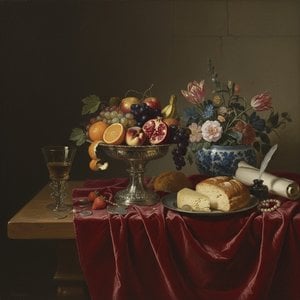
Pasa nematomas pasa: Enigmatiškas Odilono Redono menas
Odilonas Redonas, gimęs 1840 m. Bokso mieste, Prancūzijoje, buvo menininkas, visada siekiantis įtanginti nematomas vaizduotės ir sapnų sferas į apčiuopiamą formą. Jo kūrybinė kelionė prasidėjo ne nuo didelių ambicijų, o nuo tylios stebėsenos; vos ketverių metų amžiaus jis laimėjo piešimo prizą – tai buvo priešžinys vizualiam jautrumui, kuris apibrėžtų jo gyvenimo kūrybą. Nors šeimos lūkesčiai iš pradžių nukreipė jį link architektūros, Redono tikrasis pašaukimas buvo kitur, apšauktas Žano Leóno Žeromo ir, svarbiausia, Rodolfo Bresdino mokymų, kurie jį vedė per sudėtingą ešliuotės ir litografijos meną. Šios technikos tapo jo ankstyvųjų tyrimų pagrindu, leisdamos jam pasinerti į šešėlių figūrų ir dviprasmių formų pasaulį, kuris netrukus užburė visus, ieškančius alternatyvos akademiniam realizmui. Prancūzų-vokiečių karo pertraukimas privertė Redoną trumpam tarnauti kare, tačiau būtent sugrįžęs į Paryžių, jis pradėjo tikrai suformuoti savo meninę viziją.
Simbolizmo gimimas: „Noirs“ ir ankstyvieji vizijos
Ankai Redono karjera pasižymėjo tyčiniu atsiskyrimu nuo tuorio meno tendencijų. Jis nebandė atkartoti matomo pasaulio, o siekė išaukinti jo slaptas sroves – nerimą, troškimus ir dvasinius ilgesius, slydinčius po kasdienybės paviršiumi. Tai atvedė jį prie garsios „noirs“ serijos – monchromatinio kūrybos, vykdomos anglies kailiu ir litografija. Tai nebuvo tik tamsos studijos; tai buvo pasąsios tyrimai, gyvinami keistais sutvariniais, atsipalaidavusiais akimis ir šiurpiomis figūromis, iškylančiomis iš suvirpusių miglių. Čia jautamas tokių rašytojų kaip Edgaras Allan Poe ir Charles Baudelaire įtampas – bendras fascinas mirties estetika, mystika ir užuominų galia. Šie darbai nebuvo iškart priimti; Redonas metus buvo nežinomas. Tačiau lūžio akimarka įvyko 1884 m. su Joris-Karl Huysmans dėde romanu „À rebours“ (Prieš gamtą), kuriame dekadentinis aristokratas Des Esseintes pagarbino Redono piešinius, akimirksniu pakėlę jo statusą avangardo aplinkose. Šis pripažinimas atvėrė duris ir leido Redonui toliau vystyti savo unikalią meninę kalbą. Jis savo darbą apibūdino kaip dviprasmišką ir neįvardijimą, teigdamas, kad jie turėtų „įdėti mus, tarsi muzika, į neapibrėžtą nežinomybės sferą“.
Pradėjusi paletė: nuo monchromatizmo iki gyvo išraiškos
Nors „noirs“ įtvirtino Redoną kaip svarbią simbolizmo jėgą, 1890-aisiais jo menas patyrė stebėtiną transformaciją. Jis pradėjo priimti spalvą – pirmiausia pastelę, vėliau alyvinius dažtus – į savo kompozicijas įnešdamas naują vibraciją ir švieslumą. Šis pokytis nebuvo tik techninis; jis atspindėjo evoliuciją paties menininko emociniame pasaulyje. Ankstesni darbai dažnai nešė melancholijos ir izoliacijos pojūtį, tačiau vėlesni paveikslai atskleidžia augantį susidomėjimą mitologija, budizmu ir Japonijos menais – *japonizmas* buvo milžiniška įtaka. Tokie darbai kaip „Budos mirtis“ (1899) demonstruoja šį susidomėjimą Rytų spiritualumu, o barono Roberto de Domecy užsakyti kūriniai jo pilyje parodo Redono gebėjimą derinti dekoratyvinius elementus su simboliniu vaizdu. Baronės de Domecy ir jos dukters Jeanne portretai yra itin ryškūs šio laikotarpio pavyzdžiai, įtrapinantys ne tik fizinį panašumą, bet ir vidinę gyvenimo bei psichologinio gylio pratimę. Redonas per savo meną tyrinėjo savo vidinius jausmus ir psichiką, siekdamas „padaryti matomą neįmanoma“.
Palikimas ir įtantis: Surrealizmo priešėdarys
Odilono Redono poveikis menų pasauliui išsiplėtė daug už jo paties gyvenimo ribų. 1903 m. jis buvo apdovanotas Lenkės ordenu, o jo kūryba sulaukė platesnio pripažinimo su parodomis Niujorko Armory Show 1913 m. Tačiau tik po jo mirties 1916 m. jo tikroji reikšmė tapo visiškai aiški. Redono sapnų, pasąsios ir iracionalumo tyrimai pavedjo kelią surrealizmui, įkvėpdami tokius menininkus kaip Marcel Duchamp ir Max Ernst gilintis į panašias teritorijas. Jo pabrėžimas subjektiviai patyrimui ir emociniam išraiškai taip pat atgavo eksprecionistų paveiksluose. Jis ne tiesiog vaizdavo tai, ką matė; jis vizualizavo tai, ką jautė – principas, kuris įkvepia menininkus ir šiandien. Redono palikimas yra meninės drąsos, gebėjimo priimti dviprasmiškumą ir gilaus tikėjimo meno galia atskleisti paslėptinius žmogaus patyrimo dimensijos pavyzdys.
Jo piešiniai atsisakė klasifikacijų, atversdami kelią unikaliems fantastiniams vaizdiniams, gimdantiems iš ligos ir delirozės, tačiau visada prisunkti prie šiurpios grožio.
Pagrindinės charakteristikos ir temos
- Simbolizmas: Redonas laikomas simbolizmo judėjimo pagrindine figūra, teikiantu pirmenybę emociniam ir dvasiniam išraiškaiškumui priešais realistišką vaizdymą.
- Sapniškas vaizdingumas: Jo kūriniai dažnai pasižymi fantastiniais sutvariniais, dviprasmiškomis kraujose ir scenomis, kurios sukelia sapnų atmosferą.
- Pasąsos tyrimas: Redonas gilino nerimo, troškimų ir slėptų žmogaus psichikos gilumi temų.
- Literatūros ir mitologijos įtaka: Jis kūrybai jautė įkvėpimą iš tokių rašytojų kaip Poe ir Baudelaire, taip pat iš Rytų religijų ir mitologijos.
- Techninis inovatyvumas: Redono meistriškumas litografijoje ir novatoriškas spalvų naudojimas pastelėmis bei alyviniais dažtais buvo esminiai jo meninei vizijai.



 Peržiūrėti realaus dydžio版
 Pirkti rankomis tapytą reprodukciją
 Siųsti
 Dalintis
 Išsamiau
 Gidas
Gidas

 Atsisiųsti
 Panašūs eksponatai
 Rentgeno spindulių nuotrauka
 Diaporama
 Statistika


 Rodyti daugiau






































 Stiklo variantas prieinamas tik pasirinkus dydį iki 110 cm