


Muziejų lygio „giclée“ arba drobos spausdinimas: greita gamyba ir lankstios apdailos parinktys. ( Pirkti rankų darbo tapybą Perejti prie skaitmeninių vaizdų)





























Pasirinkite iš mūsų nustatytų dydžių, atitinkančių originalaus meno kūrinio proporcijas.

Įveskite jums reikiamą plotį ir aukštį, kad atvaizdas derėtų prie jūsų rėmo ar sienos. Spausdiną galima tik sumažinti, bet nepadidinti virš originalaus paveikslėlio dydžio, todėl keičiant proporcijas, dalis vaizdo prarandama. Prieš spausdinimą atsiųsime jums skaitmeninį maketą patvirtinimui. Šioje puslapio nuotraukoje matomas pjūvis nėra tikslus – jį rodo tik maketas.
Pristatymas visame pasaulyje () per 2 weeks, o ne įprastas 4/5 savaičių laikotarpis. (15 lapkritis)
Goat
Reprodukcijos matmenys
In the quiet stillness of the frame, Goat by Niko Pirosmani presents a singular encounter with a creature of the earth. This animal painting captures a goat in a moment of profound isolation, its form emerging from a dark, undefined space. The subject is a simple portrait, yet it carries a weight that feels heavy and immediate. There is a certain raw honesty in the way the animal stares out, its presence stripped of any unnecessary surroundings. It exists alone against a backdrop of deep greens and blacks, a solitary figure in a vast, shadowy void.
The style of the work belongs to the Naïve Art (Primitivism) movement, where the artist bypasses formal academic rules to reach a direct, unadorned truth. Niko Pirosmani does not rely on the complex mathematics of perspective or the polished finish of traditional training. Instead, the goat is rendered with a certain unsophisticated grace, its features defined by a lack of refined detail that feels deeply personal. The jagged lines of the horns and the loose application of paint suggest a vision born of direct observation rather than studied imitation.
A sense of melancholy clings to the animal's expression, a quiet sadness that seems to mirror the artist's own solitary existence. The goat does not move; it simply is. This stillness creates a tension between the living subject and the dark, amorphous environment surrounding it. Through this minimalist approach, the portrait achieves a heavy dignity, turning a common beast into a subject of intense, emotional focus. The viewer meets the gaze of the animal and finds a quiet, unsettling stillness that lingers long after the first look.
The goat occupies the center of the frame, held in a steady, unmoving gaze. There is no rush of movement here; the composition remains straightforward and quiet. The animal is rendered primarily in white, though soft grey shading traces the contours of its body to suggest a physical form. It exists in a space that feels both immediate and distant, stripped of any surrounding environment. The background is an undefined void, transitioning from deep, dark greens into a heavy black that pushes the subject toward the viewer.
A sense of flatness permeates the scene, as the animal lacks a deep sense of perspective. The goat appears somewhat flattened against the dark backdrop, existing almost on a single plane rather than within a wide, receding space. This lack of depth creates a stark contrast between the light fur of the creature and the shadows behind it. The jagged lines of the horns and the loose application of color around the legs give the figure a raw, direct presence. It is a portrait of stillness, where the subject is isolated within a dark, silent expanse.
The artist works with oil paint upon a canvas, applying the pigment with a directness that feels immediate and unmediated. There is no attempt to smooth the surface into a polished finish or to hide the hand that moved the brush. Instead, the paint sits upon the fabric with a raw, honest quality. Each stroke remains visible, leaving behind a textured record of the artist's movements. These marks define the animal's form, tracing the jagged lines of the horns and the heavy contours of the body without the need for delicate transitions.
A notable absence of blending or glazing defines the visual language here. The colors do not melt into one another through subtle gradations; rather, they meet with a stark, decisive clarity. This lack of traditional refinement creates a sense of flatness, where the subject exists on a single, unyielding plane. The application is straightforward, favoring the essential shape of the creature over the complex layering of light and shadow. It is a method of painting that relies on the weight of the oil and the physical presence of the brushstroke to convey life.
„Goat“ galima įsigyti kaip rankomis dažyta aliejaus reprodukcija ant lininio drobos. Užsakymą galite padaryti specialioje Rankų darbo aliejinis reprodukcija puslapio, pasirinkę tinkamą dydį.
Formatas (Landscape) ir rekomenduojama erdvė (Restaurant) yra du nurodyti išdėstymo faktai kūriniui „Goat“ – Niko Pirosmani.
„Goat“ kūrybinę vadovavo Niko Pirosmani, gimęs/usi Gruzija, remiantis Naïve Art stiliaus tendencijomis. Kūrėjo kilmė sujungia šį kūrinį su Naïve Art kryptimi, kurios atstovai iš Gruzija taip pat laikosi.


1862 - 1918 , Gruzija

Explore the profound emotional depth of Van Gogh's impasto technique. Discover how his sculptural brushstrokes and textured oil layers define Post-Impressionism through an expert art-historical lens, perfect for discerning collectors and fine art enthusiasts.
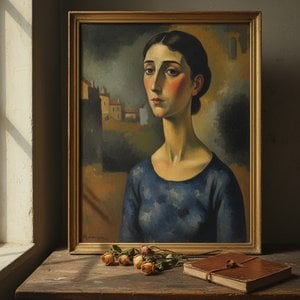
Delve into the haunting beauty of Amedeo Modigliani's portraits. Explore the intersection of Expressionism and Modernism through an expert analysis of his iconic elongated forms, melancholic gazes, and profound influence on art history.

Explore the profound spiritual depth of geometric abstraction. From Malevich's Suprematism to modern masters, our expert guide reveals how pure form and color command presence in fine art collections.

Explore the profound artistry of black and white photography. From historical mastery to the interplay of light and shadow, discover how monochrome captures timeless emotion and form through a sophisticated lens of art history.
 Peržiūrėti realaus dydžio版
 Pasidalinti
 Dalintis
 Išsamiau
 Vadovas

 Atsisiųsti
 Panašūs eksponatai
 Rentgeno spindulių nuotrauka
 Automatinė diorama
 问答
问答
 Statistika


 Skaityti daugiau









 Stiklo variantas prieinamas tik pasirinkus dydį iki 110 cm


