Parduokite savo kūrybą
x
Peržiūrėti realybėjePeržiūrėti realybėje Peržiūrėti ARPeržiūrėti AR Perejti prie spausdinimo Perejti prie spausdinimoPerejti prie rankinio darbo paveikslėlio Perejti prie rankinio darbo paveikslėlio PasidalintiPasidalinti
IšsamiauIšsamiau Pridėti į mėgstamiausius Pridėti į mėgstamiausius AtsisiųstiAtsisiųsti Panašūs eksponataiPanašūs eksponatai Rentgeno nuotraukaRentgeno nuotrauka Automatinė dioramaAutomatinė diorama

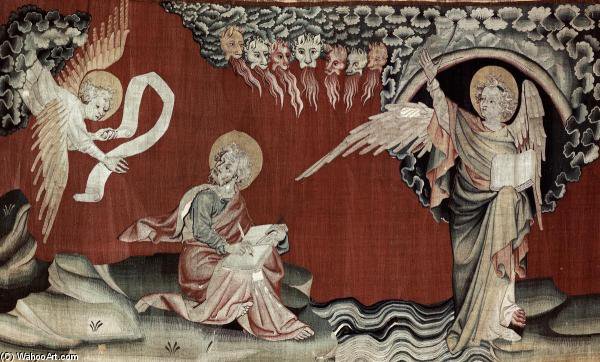
Apocalypse

Explore the dramatic works of Nicolas Bataille (1330-1405), a WahooArt artist known for apocalyptic scenes, biblical narratives & powerful symbolism. Discover 'The Woman About To Give Birth' and more!

Įsigykite aukštos skiriamosios raiškos, patobulintą skaitmeninį vaizdą, gerokai pranašesnį už internetinę peržiūrą.

Kiekvieną failą mūsų specialistai kruopščiai paruošia naudojant pažangias technologijas ir profesionalų rankinį retušavimą. Užtikriname, kad kiekvienas vaizdas pasižymėtų išskirtiniu aiškumu, tikslia spalvų atspalviu ir smulkiomis detalėmis.

Baigiamas failas el. paštu pristatomas per 72 valandas; jis optimizuotas nedelsiant naudojimui profesionalioje, redakcinėje ir spausdinimo aplinkoje. Tai ta pati kokybė, kuria pasitiki aukščiausios klasės dizaino studijos, leidyklos ir galerijos.

Skaitmeninis vaizdas

Atsisiųskite didelės raiškos failą asmeniniam naudojimui, spausdinimui ir kūrybiniams projektams. (Perejti prie spausdinimo Perejti prie spausdinimoPerejti prie rankinio darbo paveikslėlio Perejti prie rankinio darbo paveikslėlio)

Visų sumos kaina

$9.99

Kiekvieną skaitinio vaizdo užsakymą papildė

Profesionalus skaitmeninis pristatymas, garantuotas

Pasirinkę WahooArt.com, jūs ne tik gaunate paveikslėlį – jūs gaunate profesionaliai patobudintą skaitmeninį kūrinį, sukurtą itin tikniai ir užtikrinantį pasitenkinimą. Štai viską, kas automatiškai pritékia jūsų užsakymui:

shipping_icon
Greitas siuntimas el. paštu

Jūsų aukštos raiškos skaitmeninis vaizdo failas bus išsiųstas jums el. paštu per 72 valaudas nuo užsakymo – paruoštas naudojimui be jokių papildomų veiksmų.

canvas_icon
Skaitmeninis failas su dirbtiniu intelektu

Jūsų meno kūrinys profesionaliai optimizuojamas naudojant pažangius dirbtinio intelekto įrankius ir rankinį redagavimą, užtikrinant maksimalią detalę, aiškumą ir spalvų tikslumą.

insurance_icon
Nemokamas visam laikui pakartotinis siuntimas

Atsitiktinai ištrytikote ar praradote savo failą? Nebijokite – bet kuriuo metu atsiųsime jį jums vėl nemokamai.

tax_icon
Jokio importo mokesčio – niekada

Mėgaukitės savo meno kūriniu akimirka – skaitiniai failai visada yra neapmokestinami, todėl nereikės mokėti muitinės, mokesčių ar pristatymo mokesčių.

color_icon
Spalvų tikslumo garantija

Naudodami profesionalią įrangą ir spalvų valdymo sistemas, užtikriname, kad jūsų skaitmeninis vaizdas kuo tiksliau atspindėtų originalias spalvas.

return_icon
60 dienų pasitenkinimo garantija

Jei nebuvate patenkinti savo skaitinio vaizdo, per 60 dienų jį pertaisysime arba grąkinsime 100% sumą – be jokių klausimų.

guarantee_icon
100% pinigų grąžinimo garantija

Nepat 만족inti? Gaukite visą sumokėtą sumą per 60 dienų nuo skaitmeninio failo gavimo – be jokių papildomų klausimų.

discount_icon
Nuolaidos dideliems užsakymams

Pirkti 3 nuotraukas – pasiūla 10% - Pirkti 5 – pasiūla 15% - Pirkti 10 ir daugiau – pasiūla 20%. Puikiai tinka kūrybiniams projektams, galerijoms bei agentūroms.


Autoriaus biografija

Nicolas Bataille: Weaver of Apocalypse and Biblical Visions

The world of medieval art, particularly that emanating from the workshops of France in the late 14th century, is often perceived as a realm of serene piety and meticulous craftsmanship. Yet, within this tradition flourished an artist of startling intensity and dramatic vision – Nicolas Bataille (c. 1330-1405). A tapestry weaver by trade, Bataille transcended the purely decorative function of his medium to create monumental works imbued with a profound sense of foreboding, biblical drama, and symbolic weight. His tapestries, particularly the famed “Seven Seals” cycle now housed in the Saint-Nicolas du Chardonnet church in Paris, offer a window into a world grappling with anxieties about mortality, divine judgment, and the impending end times – a perspective rarely found in contemporary art.

Bataille’s early life remains shrouded in some mystery. He was born around 1330 in Paris, likely as the son of an architect, a profession that may have instilled within him an appreciation for structure and design. He quickly established himself as a skilled weaver, gaining recognition for his technical mastery and increasingly ambitious projects. Unlike many artists of his time who worked under the patronage of wealthy nobles or religious institutions, Bataille seems to have operated largely independently, though he was associated with figures like Akakia-Viala, a prominent figure in the Parisian avant-garde scene. This independent spirit likely contributed to the unique and often unsettling nature of his work.

The “Seven Seals” Cycle: A Chronicle of Doom

Bataille’s most celebrated achievement is undoubtedly the “Seven Seals” cycle, a series of seven monumental tapestries depicting the apocalyptic visions described in the Book of Revelation. These works are not simply illustrations; they are complex allegories that resonate with the anxieties and uncertainties of their time. Each tapestry portrays a stage of divine judgment, culminating in the final destruction of Babylon – a symbol of worldly corruption and sin. The scenes are rendered with an almost brutal realism, depicting figures writhing in agony, consumed by flames, or being dragged into the abyss. The color palette is dominated by deep reds, blacks, and browns, creating a sense of overwhelming darkness and despair.

The tapestries’ impact was immediate and profound. While initially met with some criticism for their unsettling imagery, they quickly gained recognition as masterpieces of medieval art. The sheer scale of the works – each measuring approximately 16.5 feet in height by 80 feet in length – combined with Bataille's dramatic composition and meticulous detail, created an immersive experience that transported viewers to the heart of the apocalypse. The cycle’s enduring power lies in its ability to evoke a visceral response, prompting contemplation on themes of sin, redemption, and the inevitability of death.

Symbolism and Influences

Bataille's work is rich with symbolism, drawing upon both biblical imagery and contemporary anxieties. The recurring motif of dragons – often interpreted as representing Satan or evil forces – dominates several tapestries, symbolizing the struggle between good and evil. The depiction of Babylon’s destruction reflects the prevailing fears about political instability and social decay in 14th-century France. Furthermore, Bataille's work demonstrates a clear influence from earlier medieval art, particularly the illuminated manuscripts that were popular during his time. The detailed rendering of figures, the use of vibrant colors (though muted in the “Seven Seals” cycle), and the incorporation of symbolic gestures all reflect this artistic heritage.

Interestingly, Bataille’s work also reveals a fascination with contemporary philosophical ideas. The concept of "apokalypstapeten," a Swedish term for apocalyptic visions, suggests that he was influenced by the emerging intellectual currents of his time. The cycle can be seen as a visual representation of these anxieties, reflecting a broader cultural preoccupation with the end of the world.

Legacy and Historical Significance

Nicolas Bataille remains a significant figure in the history of medieval art, largely due to the exceptional quality and dramatic power of his “Seven Seals” cycle. His tapestries offer a unique glimpse into the anxieties and beliefs of 14th-century France, revealing a world grappling with mortality, divine judgment, and the threat of destruction. While Bataille’s work may initially appear unsettling or even disturbing to modern viewers, it is precisely this intensity that makes it so compelling. His tapestries serve as a powerful reminder of the enduring relevance of biblical themes and the timeless human struggle between good and evil.

His influence extends beyond his own creations; he helped shape the narrative of medieval art by presenting a darker, more emotionally charged vision than was typically found in contemporary works. The Saint-Nicolas du Chardonnet church continues to safeguard these monumental tapestries, ensuring that Bataille’s dramatic and evocative legacy endures for generations to come.

nicolas bataille

nicolas bataille

1330 - 1405

Trumpai apie šį kūrėją

  • Artistic Movement Or Style: Medieval Art, Religious Paintings
  • Artists Or Movements Influenced By This Artist: ['Georges Bataille']
  • Artists Who Influenced This Artist:
    • René Simon
    • Tania Balachova
  • Date Of Birth: 1330
  • Date Of Death: 1405
  • Full Name: Nicolas Bataille
  • Nationality: French
  • Notable Artworks:
    • The Woman About To Give Birth
    • Seven Seals Art
    • Apocalyptic Scenes
  • Place Of Birth: Paris, France