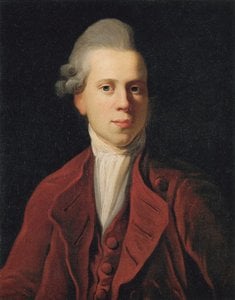
Autoriaus biografija
Pradiniai metai ir meninės pamatinės vertybės
Nicolai Abraham Abildgaard, gimęs Kopenhagėje 1743 m. rugsėjo 11 d., iškrato iš šeimos, giliai įmerktos meno ir mokslo pasaulyje. Jo tėvas, Søren Abildgart, buvo gerbiama antikvaras piešlys, į jaunąjį Nicolai įsidėjęs ankstyvą klasikinų formų ir kruopštaus stebėjimo vertinimą. Šis šeimyninis įtampas tapo pagrindu Abildgaardui pradėti savo meninę kelionę: pirmiausia jis mokėsi vietos tapininkų meistro rankose, o 1764 m. oficialiai įstojo į Naująją karališkąją Danijos meno akademiją. Jo talentas greitai tapo akivaizdus; nuo 1764 m. iki 1767 m. jis nuolat pelnė apd奖bus ir medalius, pripažįstančius augančias jo įgūdžius. Šios ankstyvosios sėkmės viršūnė buvo 1767 m. paskirtas kelionių stipendijas – tai buvo lemiama galimybė, kuri prakartė jo meninę plėtrą, nors priिमti šią progą jis galėjo tik po penkerių metų. Formatyviais Akadoemijos metais Abildgaardas naudojosi Johan Edvard Mandelberg ir Johannes Wiedewelt mokymu, įsisavinęs jų technikas ir požiūrias, kartu formuodamas savo unikalią kelią.
Romos pažadinimas: Perspektyvos pokytis
1772 m. Nicolai Abildgaard pagaliau įgyvendino savo ilgai lauktą svajonę – kelionę į Romą. Ši penkerių metų staysena tapo transformatyva, pažymėdama kritinį lūžį jo meninėje evoliucijoje. Paniręs klasikinės antikos širdyje, jis pasižengė ne tik skulptūros, bet ir architektūros, dekoravimo bei nuostabių freskų, puošiančių Palazzo Farnese, studijavimui. 1776 m. apsilankymas Napolėje su kolega menininku Jens Juel plėtros jo horizontus dar plačiau. Roma nebuvo tik techninio mokymosi vieta; tai buvo intelektinis pažadinimas. Abildgaardas pasinėko į istorinę tapybą, siekdamas meistriškai valdyti jos sudėtingumą ir naratyvinę galią. Jis kūrė įkvėpimą iš meistrų – Annibale Carracci, Raphael, Titian ir Michelangelo – įsisavinęs jų kompozicines strategijas, dramatišką šviesos naudojimą ir gilią žmogaus anatomijos supratimą. Tačiau jo pažintis nebuvo apribota griežtu klasicizmu. Tokių menininkų kaip Johan Tobias Sergel ir Johann Heinrich Füssli įtamp ir pradžia subtiliai pradėjo keisti jo estetinę jautrią, į savo kūrybą įnesdama pradinę romantizmo dvasią. Simultaniškai Abildgaardas kultivavo gilią literatūros vertę, randa įkvėpimą Shakespeare, Homer ir Ossian kūriniuose – pasakojimuose, kurie vėliau suprus į jo plėtra daugybe prasmės ir emocinio rezonanso.
Karališkieji užsakimai ir nacionaliniai naratyvai
Grįžęs į Kopenhagą 1777 m. gruodį, Abildgaard buvo nedelsiant pripažintas kylančia žvaigžde. Jis greitai užsitikrino profesorią Akademiijoje 1778 m., o netrukus, apie 1780 m., pasiekė prestižinę karališkojo istorijos tapio pareigas. Šis paskirtimas atnešė su sau monumentalaus mastelio užsakymą iš Danijos vyriausybės: sukurti eiminių paveikslų seriją, vaizduojančią Danijos istoriją rytų salėje (Riddersal) Christiansborg rūmuose. Šis projektas tapo lemiamu jo karjeros pasiekimu. Tai nebuvo tiesiog istorinės iliustracijos; tai buvo kruopščiai sukonstruoti naratyvai, sukurtie padidinti monarchiją ir įdiegti nacionalinės didybės jausmą. Abildgaardas meistriškai sujungė tikslius istorinius vaizdus su alegoriškomis detalėmis ir mitologiniais nukreipimais, kurdamas vizualiai stulbinančias ir intelektualiai skatinančias kompozicijas. Jis taip pat bendradarbiavo su Johan Edvard Mandelberg dėl dekoratyvinių schemų Fredensborg rūmai, dar tvir tins savo padėtį kaip svarbiausios Danijos meninės figūros.
Stilių sintezė: Neoklasicizmas ir Romantizmas
Nicolai Abildgaardo meninis stilius reprezentuoja įtraukiantį neoklasicinio griežtumo ir pradinės romantinės jautros sintezę. Nors jo darbai remiasi klasikinės kompozicijos, aiškumo ir anatominio tikslumo principais, jie prisipildyti dramatišku apšvietimu, turtinga spalvų paleta ir kruopščiu dėmesiui detalėms, kuris užsimerkia apie gilesnį emocinį poteksą. Žymūs paveikslai, tokie kaip „Christian I Elevates Holstein to a diduchy in 1474“, pavyzdžiui šį suderinimą – iškilminga istorinė scena, atvaizduota klasikiniu tikslumu, tačiau prisipildyta didybės ir teatralumo jausmo. Kiti darbai, kaip šiurpė „The Nightmare“ (Kabolė), demonstruoja jo pasirengimą tyrinėti tamsias psichologines temas, pranašaujant pilną romantizmą, kuris netrukį dominuotų Europos meną. Jo tyrimai išsilygo už istorinės tapybos ribų; „Culmin's Ghost Appears to his Mother“ parodo jo gebėjimą dramatiška intensyvesne vaizduoti virširdenį, o tokie kūriniai kaip „The Wounded Philoctetes“ atskleidžia jautrumą žmogaus kančiams ir pažeidžamumui. Jis ne tik atkartojo istorines ar mitologines scenes; jis juos interpretavo per savo meninės vizijos prizmę, įdėdamas į jas simbolinių prasmių sluoksnius, suprantamus aukštos kultūros auditorijai. Jo paveikslinė alegorija tapo jo stiliaus žymimuoju ženklu, naudojant simbolius kaip vizualią trumpą kodą sudėtingoms idėjoms ir emocijoms išreikšti.
Palikimas ir ilgalaikis įtampas
Abildgaardas tarnavo kaip Akademijos direktorius 1789–1791 m. ir vėl nuo 1801 m. iki savo mirties Kopenhagėje 1809 m. lapkričio 14 d. Visos savo karjeros metu jis puoselėjo talentingų menininkų kartą, įskaitant Asmus Jacob Carstens, Bertel Thorvaldsen, J. L. Lund ir, galbūt svarbiausiai, Christoffer Wilhelm Eckersberg. Eckersberg, dažnai vadinamas „Danijos tapybos tėvu“, padėjo pagrindus Danijos tapybos Aukso amžiui, remdamasis principais, kuriuos Abildgaard jam įdiegė. Abildgaardo įtampas išsilygo už jo tiesioginių mokinių ribų; jis fundamentaliai suformavo Danijos meno kravažį, užpildydamas atotrūkį tarp neoklasicizmo ir romantizmo. Jo darbai ne tik atspindėjo savo laikų kultūrinę vertę, bet ir numatė būsimas menines tendencijas, prisidedėdami prie šiaurinio romantizmo vystymo ir palikdami neištrinčiamą žymą Danijos meno istorijoje. Jis išlieka esminė figūra suprantant perėjimą nuo švietimo laikų idealų iki XIX amžiaus emocinio intensyvumo.



 Peržiūrėti realybėje
 Switch to Print
 Pasidalinti
 Dalintis
 Išsamiau

 Atsisiųsti
 Panašūs eksponatai
 Rentgeno nuotrauka
 Automatinė diorama
 Stats
Stats


 Skaityti daugiau